Bolivia signs labor deal as strikes and roadblocks ease
Paz signed a deal with Bolivia’s main labor federation after 50 days of strikes and roadblocks, but blockades in Cochabamba showed the crisis was not over.
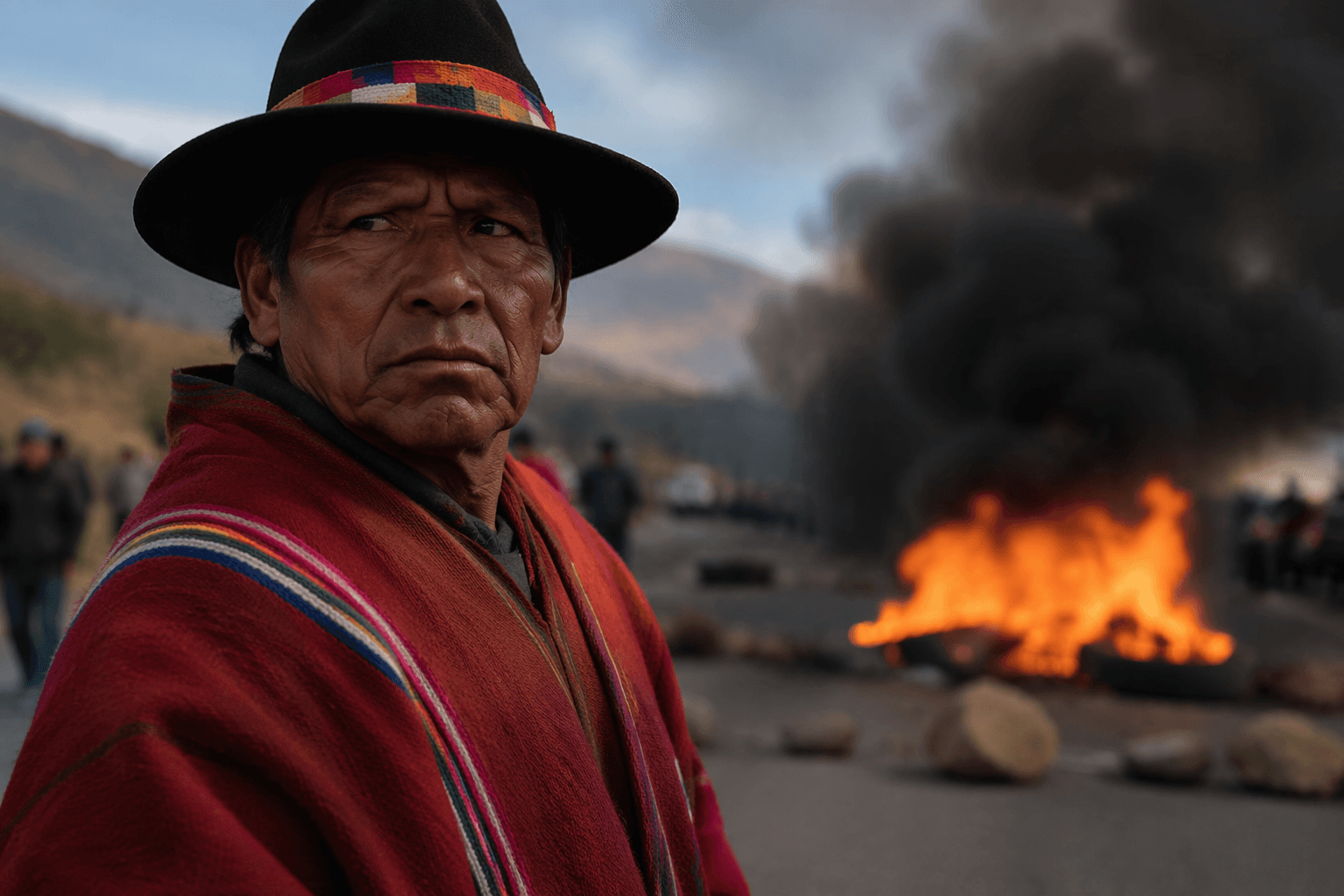
Bolivia’s government and its main labor federation signed an agreement in La Paz that was meant to draw a line under 50 days of strikes and roadblocks that had choked the country’s fuel supply and slowed food and medical deliveries. The deal was presented inside the government palace as a first step toward easing a confrontation that had cut traffic into and out of La Paz and El Alto and deepened pressure on President Rodrigo Paz.
Paz cast the accord as a turning point, telling the meeting, “I believe this is a ray of hope for all Bolivians,” and saying the country had to move forward together because “there are no owners” of Bolivia. Mario Argollo, the executive secretary of the Bolivian Workers’ Confederation, or COB, struck a similar note, saying there was a country waiting for “white smoke” and that the agreement should open the way to consensus rather than confrontation.
The pact mattered because the unrest had moved far beyond a single labor dispute. It began with a workers’ strike in May and then spread into highway blockades as protesters objected to austerity measures, rising living costs and the reservation of 12 legislative seats for refugees. Labor unions and groups aligned with former leftist president Evo Morales had pressed Paz to reverse policies and confront the economic strain hitting households, while truckers, hospitals and families absorbed the cost of a shutdown that left long queues for fuel.
Even so, the agreement did not end the crisis. Roads in and around Cochabamba were still blocked by groups outside the talks, and a powerful rural federation said it would keep up pressure until the government addressed prisoners detained during protests, respect for Indigenous organizations and the economic distress in rural communities. The ombudsman’s office put the death toll at at least 14, up from an earlier tally for May 1 through June 2 that counted 10 deaths, 37 injuries and 365 arrests.
The labor deal also left open the wider question of whether Paz can govern through the country’s fractures or only manage them temporarily. Some reporting said he had cut his own salary and those of his ministers by 50 percent in late May, a signal of austerity as his government faced demands for resignation. The COB had entered talks after submitting an eight-point proposal focused on pacification and economic recovery, but the roads still blocked after the agreement showed that Bolivia’s political crisis was easing only at the margins.
This article was produced by Prism’s automated news system from verified source data, official records, and press releases, then run through automated quality and moderation checks before publishing. The system is built and supervised by the people who set the standards it runs under. Read our full AI policy.
Know something we missed? Have a correction or additional information?
Submit a Tip