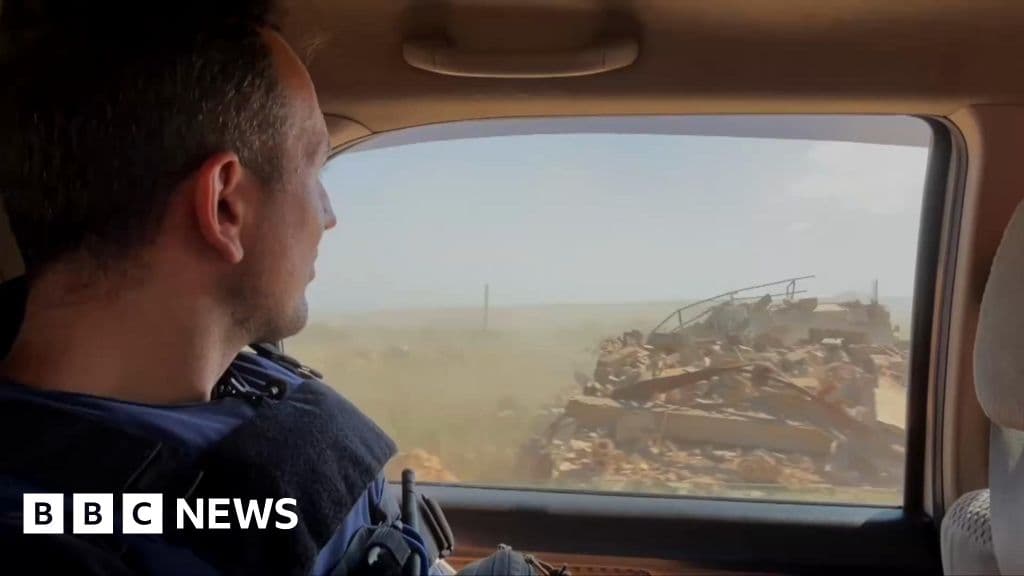
Iran threatens to close Strait of Hormuz after Lebanon cease-fire violations
Iran said it would close the Strait of Hormuz, where 20 million barrels of oil move daily, as Lebanon fighting and U.S.-Iran talks collided.
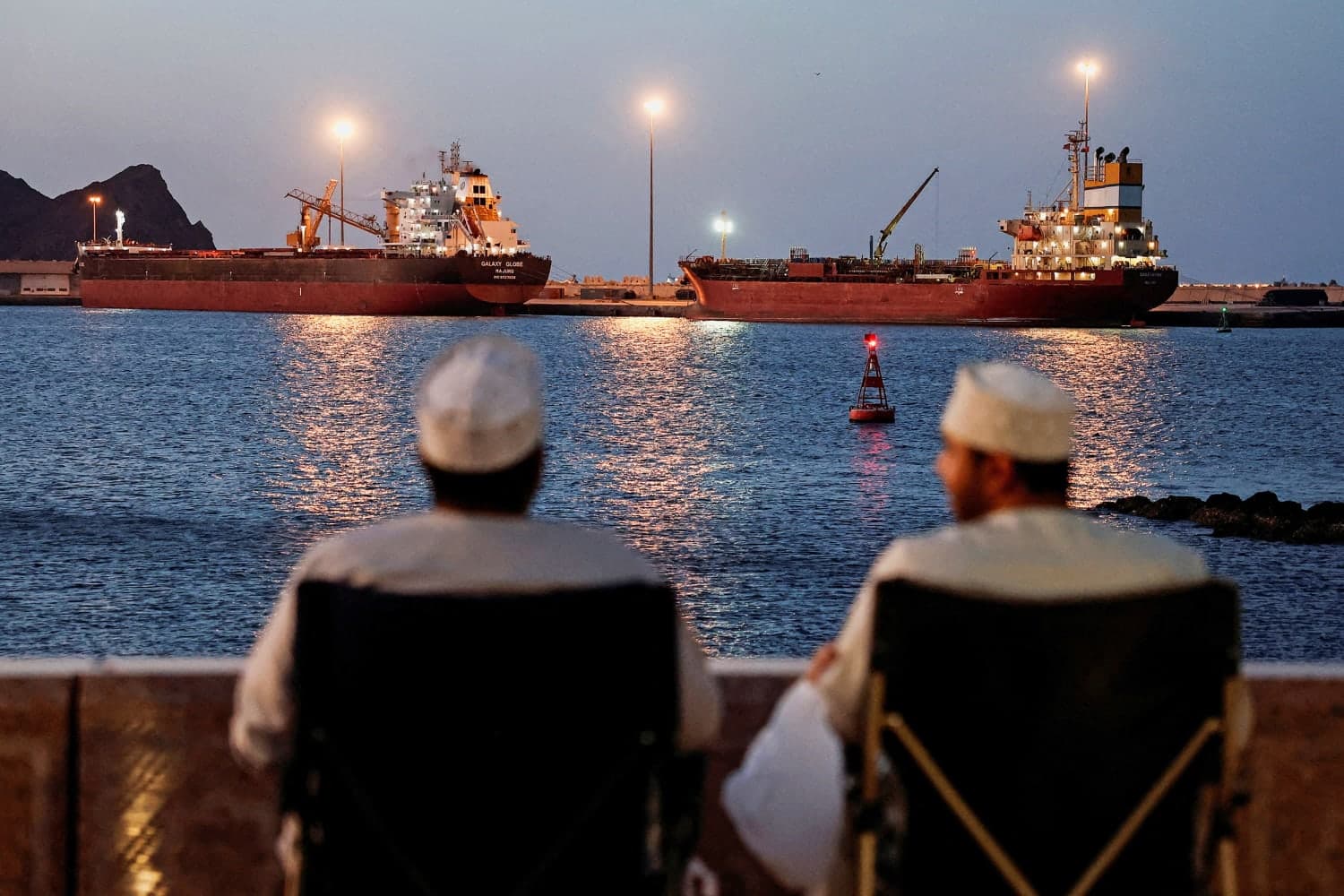
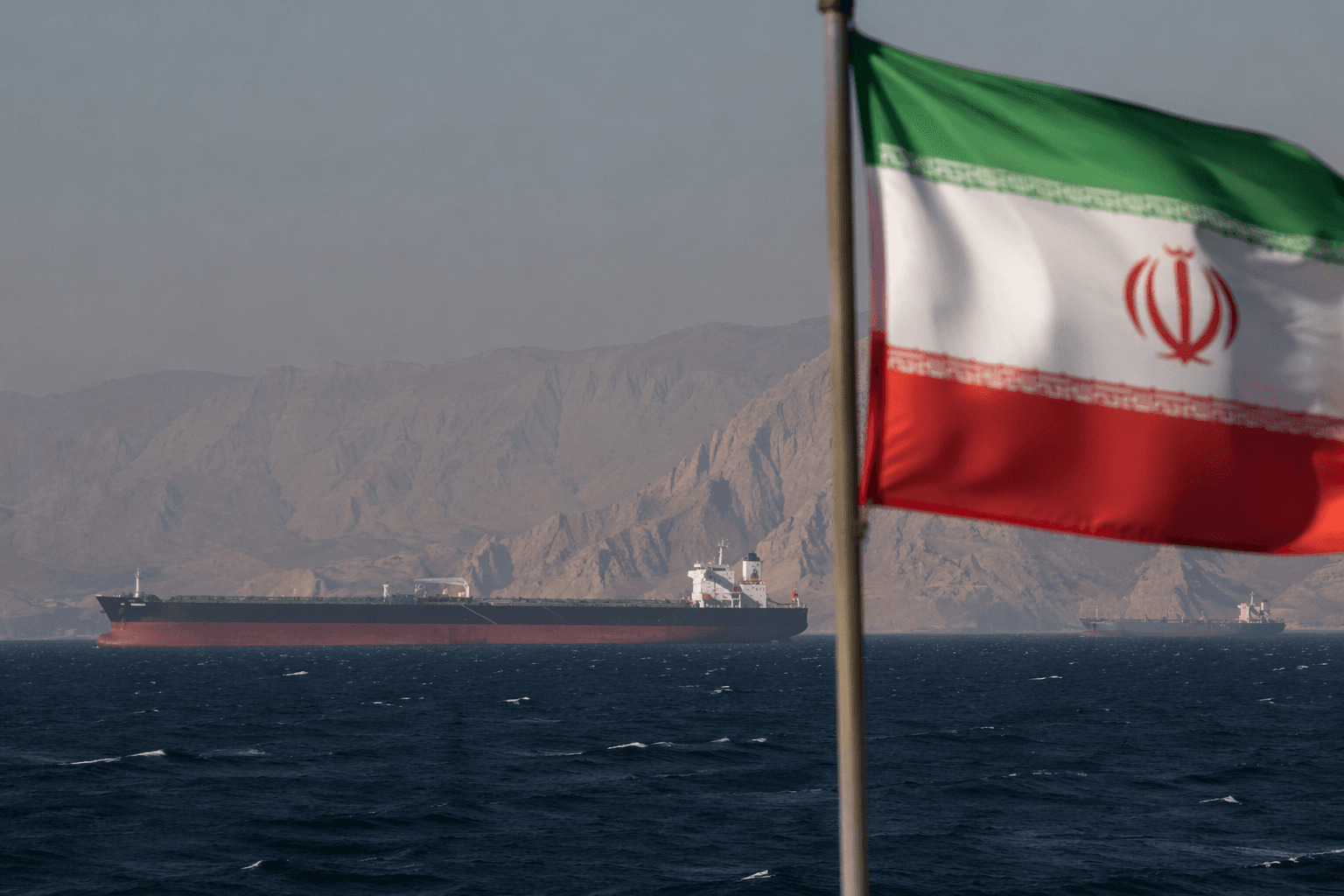
The Strait of Hormuz is the pressure point at the center of this crisis. Iran’s joint military command said it would close vessel traffic through the waterway, which normally carries about 20 million barrels of oil and petroleum products a day, or roughly one-fifth of global oil consumption. If that threat becomes an enforced interruption rather than a signal, tanker traffic would slow, insurance costs would jump, U.S. naval posture in the Gulf would tighten, and gasoline prices would feel the strain quickly.
Tehran tied the move to alleged Israeli cease-fire violations in Lebanon and to U.S. “bad faith” and a “clear breach of its commitments” for not stopping the fighting. The announcement came as Israeli strikes in southern Lebanon killed at least five people on Saturday, according to Lebanese state media, while other reports said at least seven people, including two children, were killed hours after the cease-fire took effect. The confrontation is now spilling from the Lebanese front into one of the world’s most important shipping lanes.
At the same time, mediators in Pakistan said technical-level U.S.-Iran talks would be held on Sunday, June 21, in Bürgenstock, Switzerland, with Qatari mediators participating. Separate reporting said the talks had already been pushed back from Friday because of the fighting. That makes the Hormuz threat look like both a bargaining move and a warning shot, but the practical threshold is clear: rhetoric shakes markets, while real interference with tankers would force cargo delays, rerouting, and a broader energy shock.
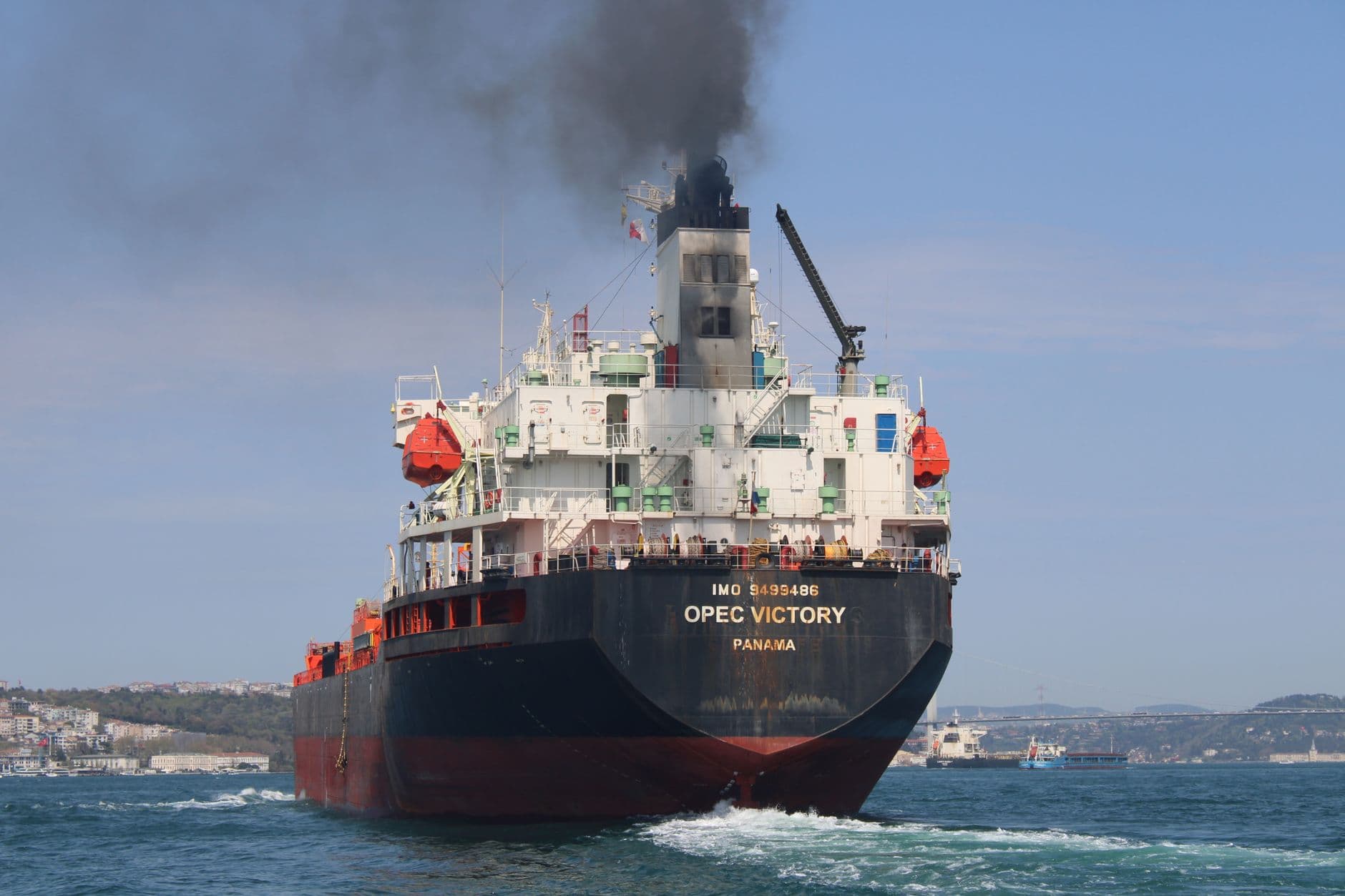
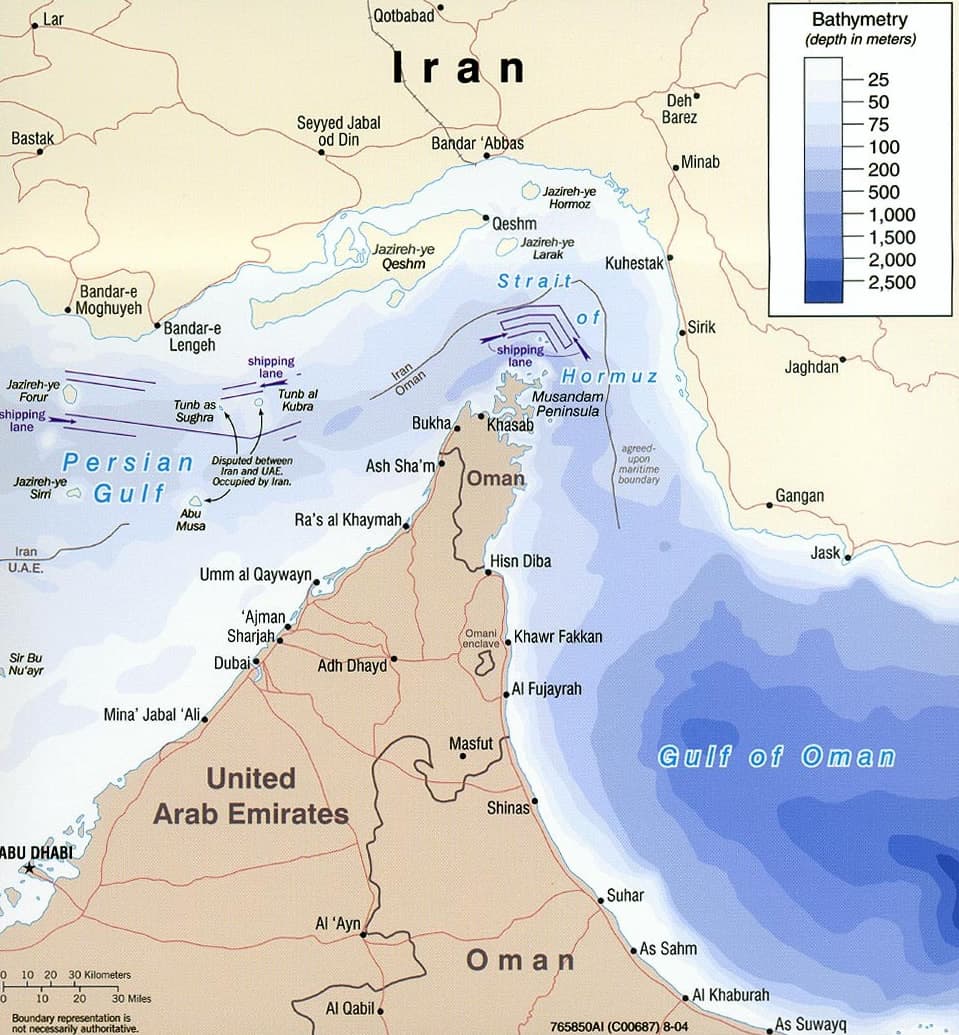
The historical echo is unmistakable. The 1980s Tanker War turned the Persian Gulf into a contested shipping corridor, and the 1988 U.S. Operation Praying Mantis showed how fast attacks on vessels can pull Iranian and U.S. forces into direct confrontation. In the present standoff, the line between signaling and disruption will determine whether this becomes another round of pressure politics or a genuine hit to the global oil system.
This article was produced by Prism’s automated news system from verified source data, official records, and press releases, then run through automated quality and moderation checks before publishing. The system is built and supervised by the people who set the standards it runs under. Read our full AI policy.
Know something we missed? Have a correction or additional information?
Submit a Tip