Lebanon doubts diplomacy as Israel and Hezbollah intensify clashes in south
As Washington and Tehran talk, Lebanon sees little chance of calm: Israel hit the south with more than 120 airstrikes while Hezbollah kept firing rockets and drones.
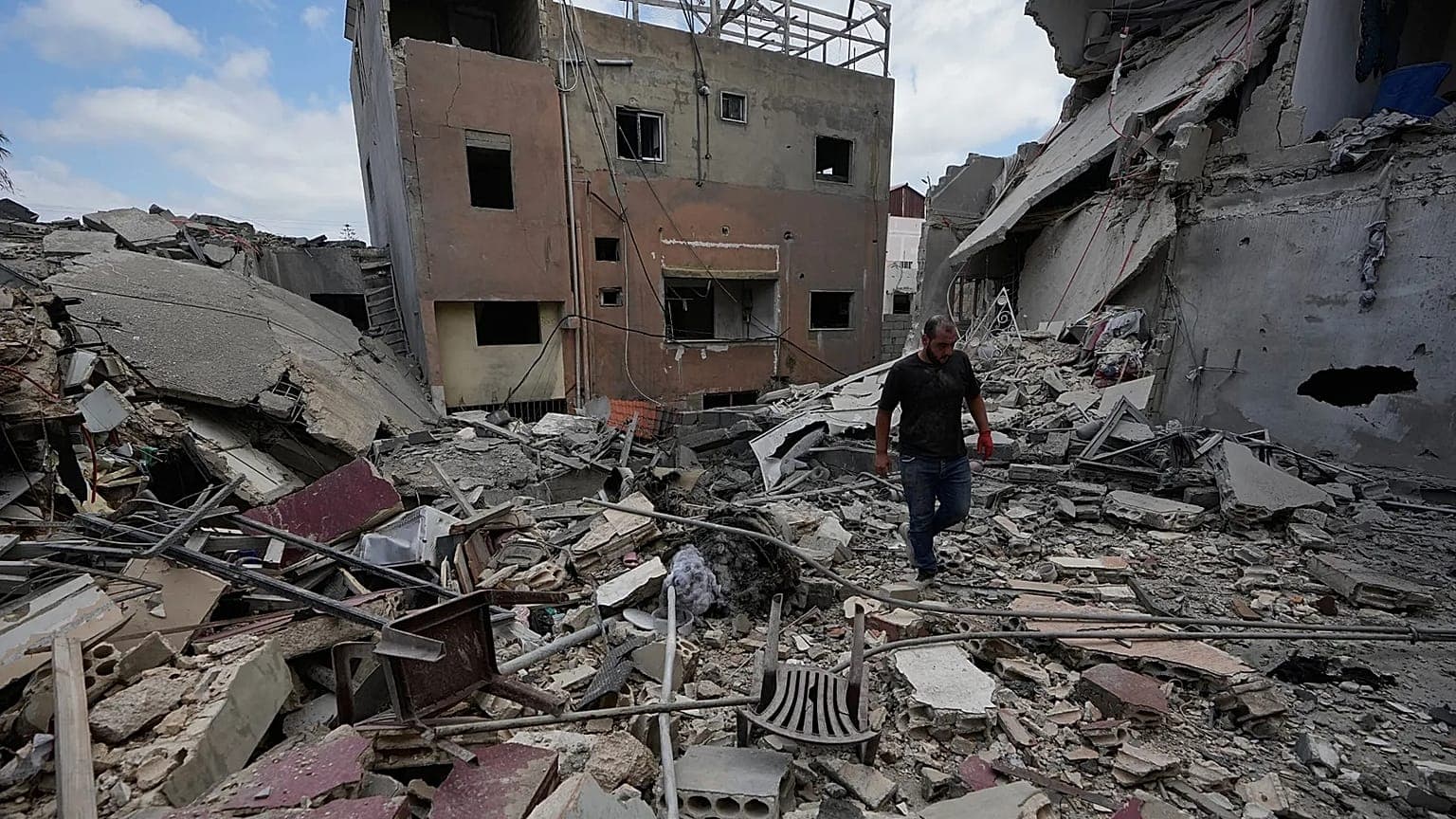
For many Lebanese, diplomacy now feels detached from the war pressing in from the south. Even as Washington and Tehran explore a broader bargain, the fighting between Israel and Hezbollah has intensified in southern Lebanon, deepening the sense that no deal will quickly restore normal life.
The United States brokered a 10-day cessation of hostilities beginning April 16, 2026, at 17:00 EST, and extended it for 45 days on May 15. Yet the ceasefire never produced real calm. Hezbollah kept up rocket and drone attacks on Israeli forces, while Israel expanded strikes and ground operations in Lebanon, reinforcing the view among residents and observers that the front line has only hardened.
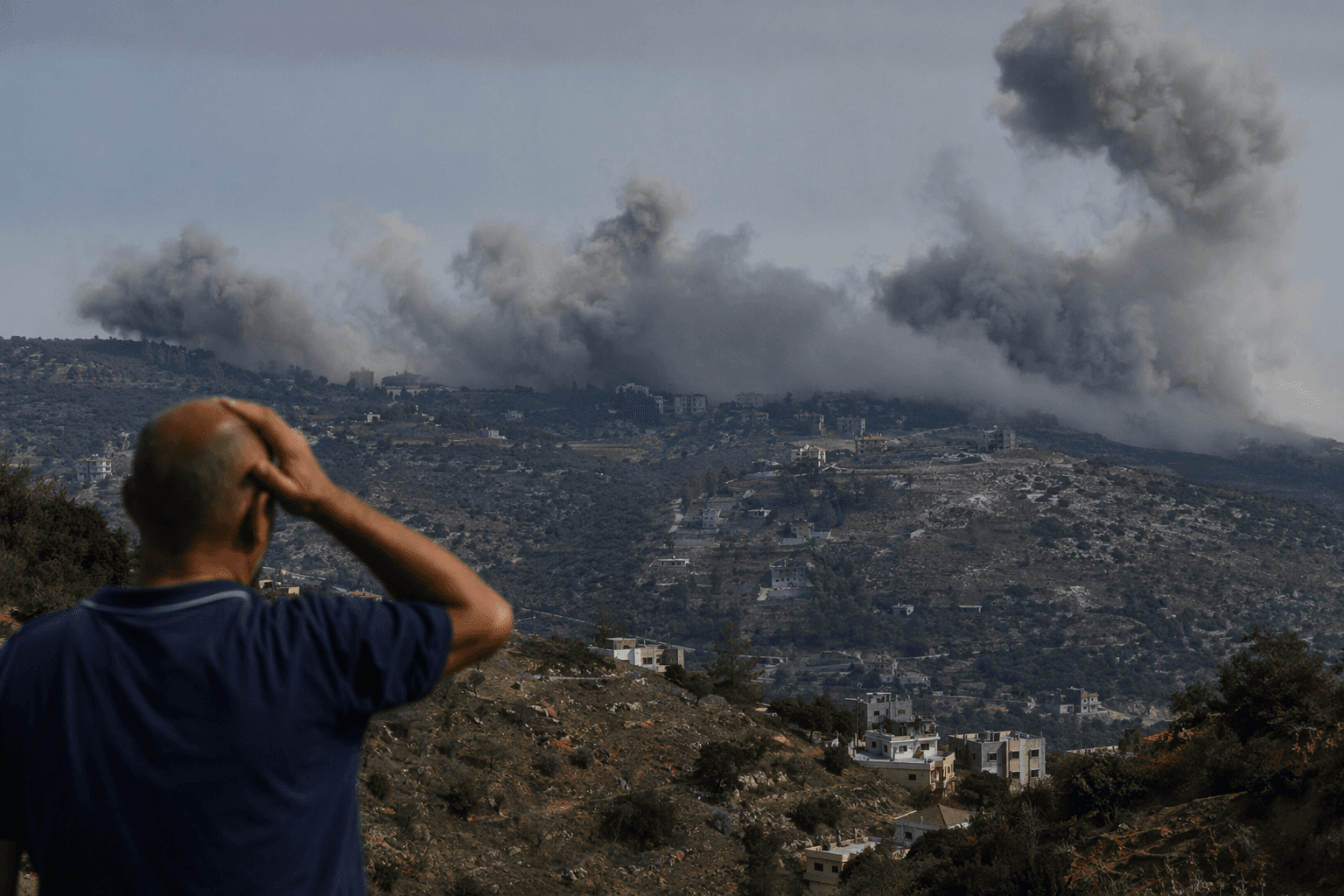
The latest escalation came on May 26, when Israel carried out more than 120 airstrikes in Lebanon, one of the heaviest days of bombing in weeks. Israeli officials said they were deepening their operations in the country. In southern communities already battered by months of violence, the scale of the attacks has pushed more families to plan around instability rather than around any expectation of a quick truce.
The political horizon has also become more uncertain. Donald Trump’s emerging push for a U.S.-Iran peace arrangement has raised fresh questions in Lebanon about whether Hezbollah can really be folded into any broader settlement. For many in the country, any agreement that does not directly address the war in the south looks incomplete from the start.
That skepticism is rooted in a longer pattern. The current fighting follows the ceasefire that took effect on November 27, 2024, a truce UN sources have described as fragile and repeatedly violated. UNIFIL said it recorded more than 10,000 Israeli air and ground violations north of the Blue Line since that ceasefire, a measure of how little the paper agreement contained the violence on the ground.
The United Nations special rapporteur on extrajudicial executions has warned that Israeli attacks and killings threaten peace efforts in Lebanon and put renewed danger on UN peacekeepers serving with UNIFIL. With Lebanon already exhausted by a severe economic crisis, the war in the south has become another force pushing civilians toward longer displacement, interrupted schooling, and shrinking expectations. In a country where every ceasefire has felt temporary, many now assume the front will outlast the diplomacy meant to stop it.
This article was produced by Prism’s automated news system from verified source data, official records, and press releases, then run through automated quality and moderation checks before publishing. The system is built and supervised by the people who set the standards it runs under. Read our full AI policy.
Know something we missed? Have a correction or additional information?
Submit a Tip