Everest crowding, pollution surge as summit season hits record highs
A record 274 climbers hit Everest in one day from Nepal, while leaders in Kathmandu pushed to curb permits, garbage and risky rookie ascents.

Kathmandu put Everest’s biggest problem on public display: the mountain is packed, polluted and increasingly dangerous as warming temperatures and booming demand collide high above the Khumbu Icefall. Hundreds of climbers, mountaineers and officials met in Nepal’s capital on Wednesday for the Everest Summiteers Summit as the spring season pushed into what is believed to be the most crowded climbing year ever on the world’s highest peak.
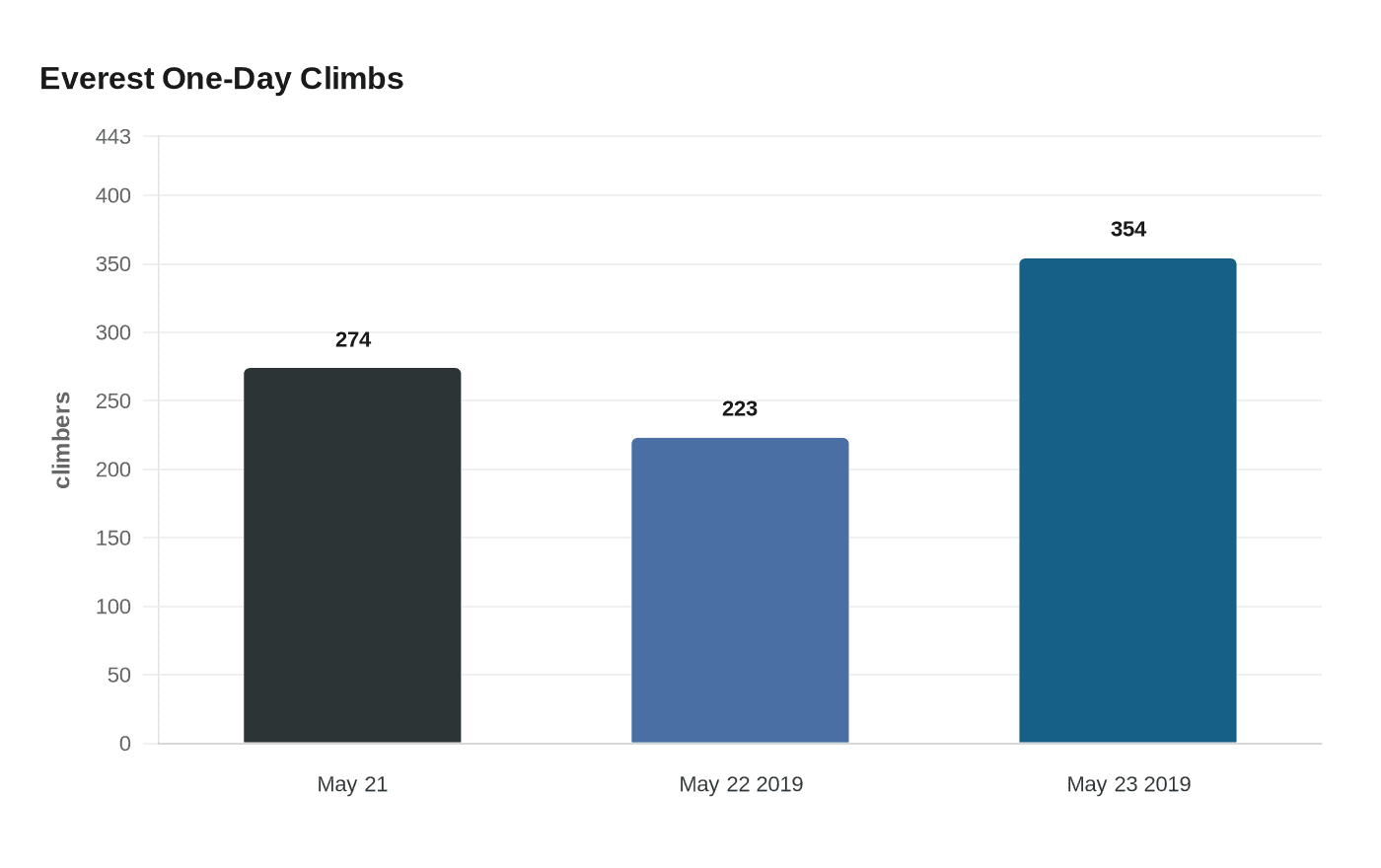
Nepal issued a record 494 permits for foreign climbers this spring, and more than 900 people are believed to have reached the summit, a total that would set a new high for a spring season. On May 21, 274 climbers reached the top in a single day from the Nepali side, the most ever from that route. The previous mark on that side was 223 climbers on May 22, 2019. Guinness World Records says the overall one-day record for Everest, counting both sides, is 354 climbers on May 23, 2019.
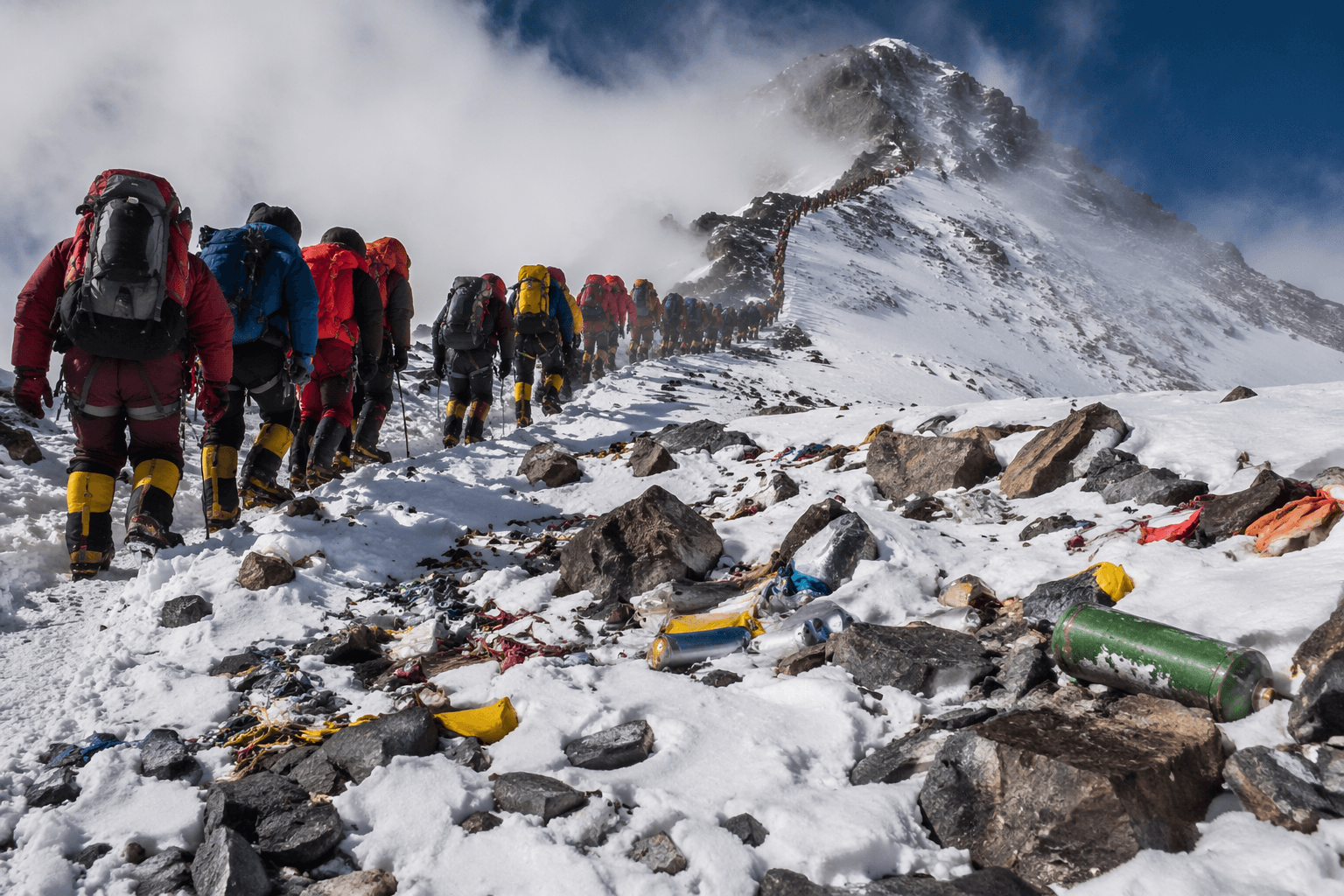
The numbers have sharpened fears that Everest’s commercial model has outgrown the mountain’s carrying capacity. Photos from recent seasons have shown lines of climbers clipped to fixed ropes, waiting their turn in thin air. That congestion is not just an inconvenience. It slows movement in the death zone, raises the odds of bottlenecks at narrow sections of the route and leaves little margin when weather turns or oxygen runs low.
Kami Rita Sherpa, who recently completed his 32nd ascent of Everest, urged Nepal to cap permits at 250 from the Nepal side. His warning centered not only on safety but also on the strain on the mountain itself. The waste problem is just as visible. Thousands of people, including guides and workers, live on Everest during climbing months, and although government rules require climbers to remove their garbage, a great deal still remains on the slopes.
Nepal has begun tightening the rules. In March 2026, authorities said climbers above Camp II must bring back at least two kilograms of garbage. Other 2026 reporting described broader waste-management measures from the Sagarmatha Pollution Control Committee, including a reported 8-kilogram garbage return requirement and a Khumbu Icefall fee. At the same time, Nepal’s upper house passed a tourism bill in February that would require future Everest applicants to have already climbed a 7,000-meter peak in Nepal, along with meeting health and insurance standards and contributing to an environment fund.
The debate in Kathmandu reflects a larger choice for Nepal: keep maximizing royalty revenue from Everest, or slow the climb before crowding, pollution and inexperience make the mountain even more deadly.
This article was produced by Prism’s automated news system from verified source data, official records, and press releases, then run through automated quality and moderation checks before publishing. The system is built and supervised by the people who set the standards it runs under. Read our full AI policy.
Know something we missed? Have a correction or additional information?
Submit a Tip