Iran demands release of frozen funds before U.S. talks begin
Iran is pressing for $12 billion in frozen assets in Qatar before talks with Washington can move forward, and the money’s status now shapes the diplomacy.
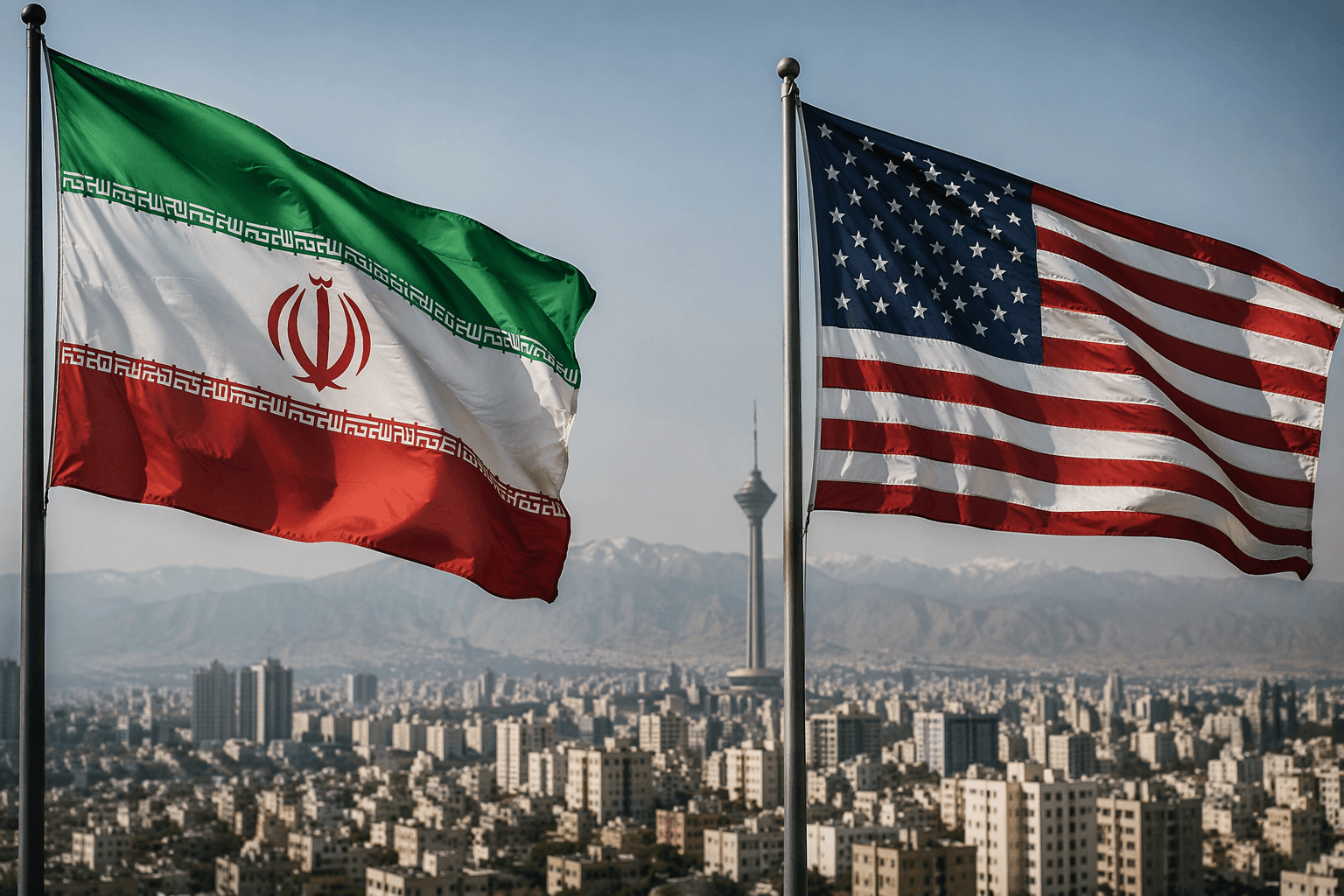
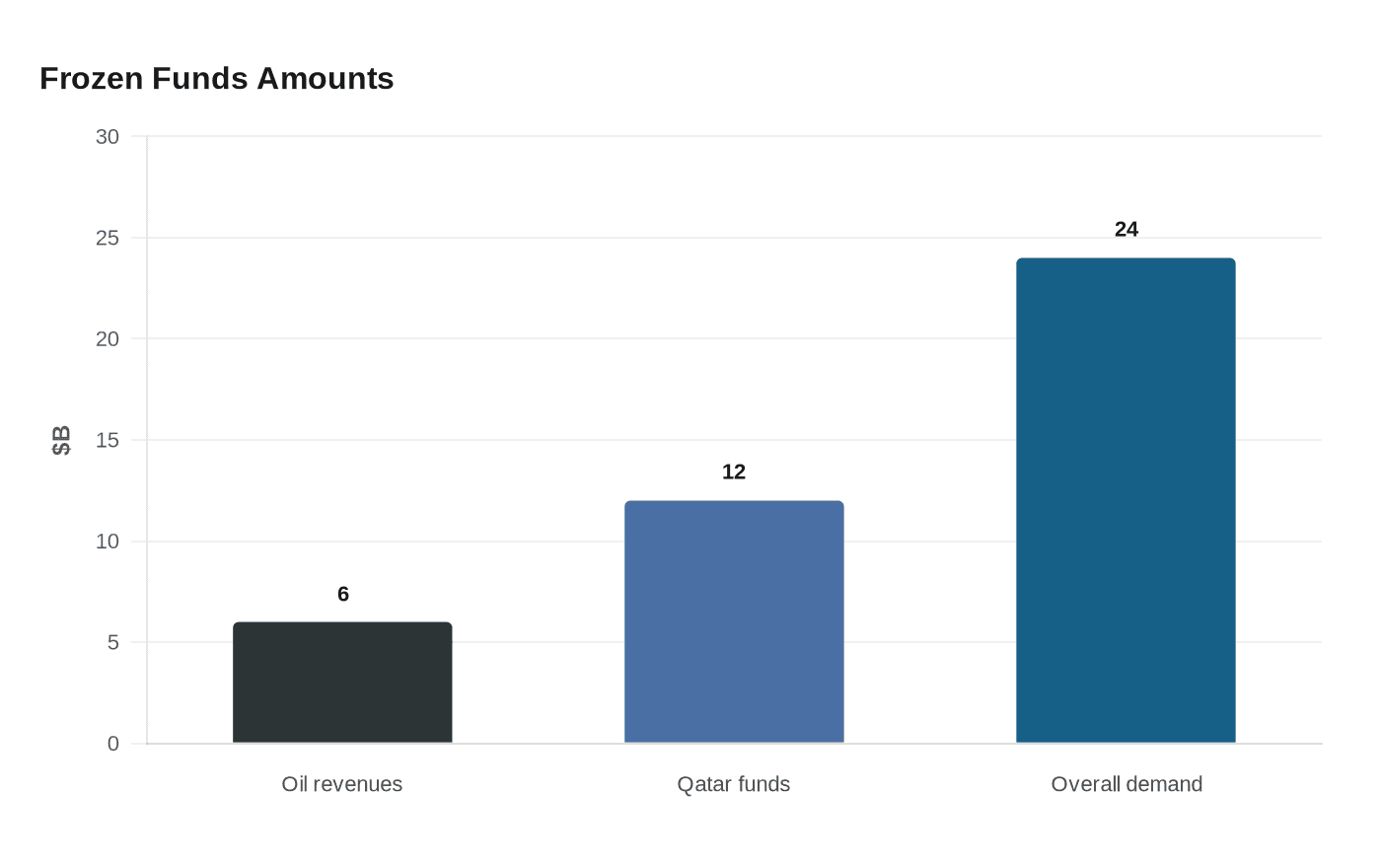
Iran has made the release of frozen cash the price of any serious talks with the United States, turning a sanctions fight into the central test of whether diplomacy can move at all. Iranian negotiators are demanding immediate access to $12 billion held in Qatar, with some accounts saying Tehran wants about $24 billion in frozen assets overall and sees the first $12 billion as only the opening tranche.
The dispute centers on roughly $6 billion in Iranian oil revenues that were transferred from South Korea to restricted accounts in Qatar in 2023 under a U.S.-Iran prisoner-exchange arrangement. That money had originally been frozen in 2018, then later refrozen after the Oct. 7, 2023 Hamas attack on Israel and the regional escalation that followed. U.S. officials rejected an earlier Iranian claim that Washington had already approved a release, leaving the assets trapped between competing political demands.
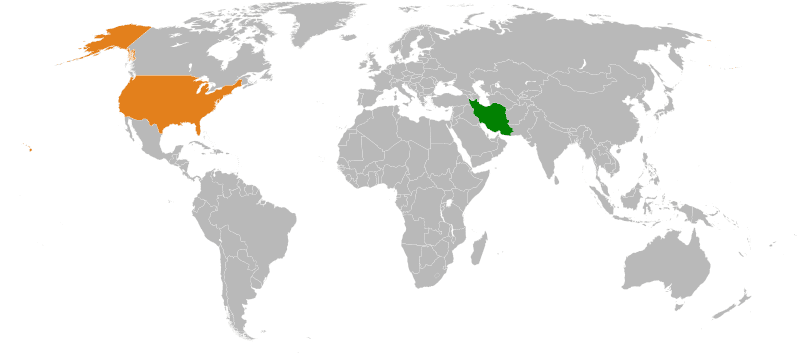
The legal path matters as much as the politics. Under the 2023 arrangement, the funds were supposed to be spent only on humanitarian purchases through approved vendors under U.S. Treasury oversight, with the money directed toward food, medicine, medical equipment and agricultural goods. Secretary of State Antony Blinken issued a waiver allowing foreign banks to move the funds from South Korea through Europe to restricted accounts in Qatar, but that mechanism did not create open access for Tehran. Instead, it built a tightly controlled channel that could be narrowed again as tensions rose.
Qatar has emerged as the key broker in the dispute, trying to keep the channel open without triggering a direct cash transfer that would collide with U.S. sanctions pressure. Some reports say Doha is exploring financial mechanisms that would give Tehran limited access while preserving the restrictions. For Iran, that distinction is crucial. The government wants the money not just as a symbolic concession, but as proof that Washington is willing to ease pressure in practice rather than in rhetoric.
Iranian officials have tied the funds to broader negotiations, including safe passage through the Strait of Hormuz, the narrow waterway that carries a major share of global oil trade. Iranian reporting linked Foreign Minister Abbas Araghchi, Parliament Speaker Mohammad Bagher Ghalibaf and the governor of the Central Bank of Iran to discussions in Doha aimed at securing the release of part of the assets. The message from Tehran is clear: until the money moves, the talks may not.
This article was produced by Prism’s automated news system from verified source data, official records, and press releases, then run through automated quality and moderation checks before publishing. The system is built and supervised by the people who set the standards it runs under. Read our full AI policy.
Know something we missed? Have a correction or additional information?
Submit a Tip