EU plans satellite spectrum split to boost European control
Brussels moved to reserve a third of the 2 GHz satellite band for government use, tightening Europe’s grip on a market where Starlink and Amazon also want in.
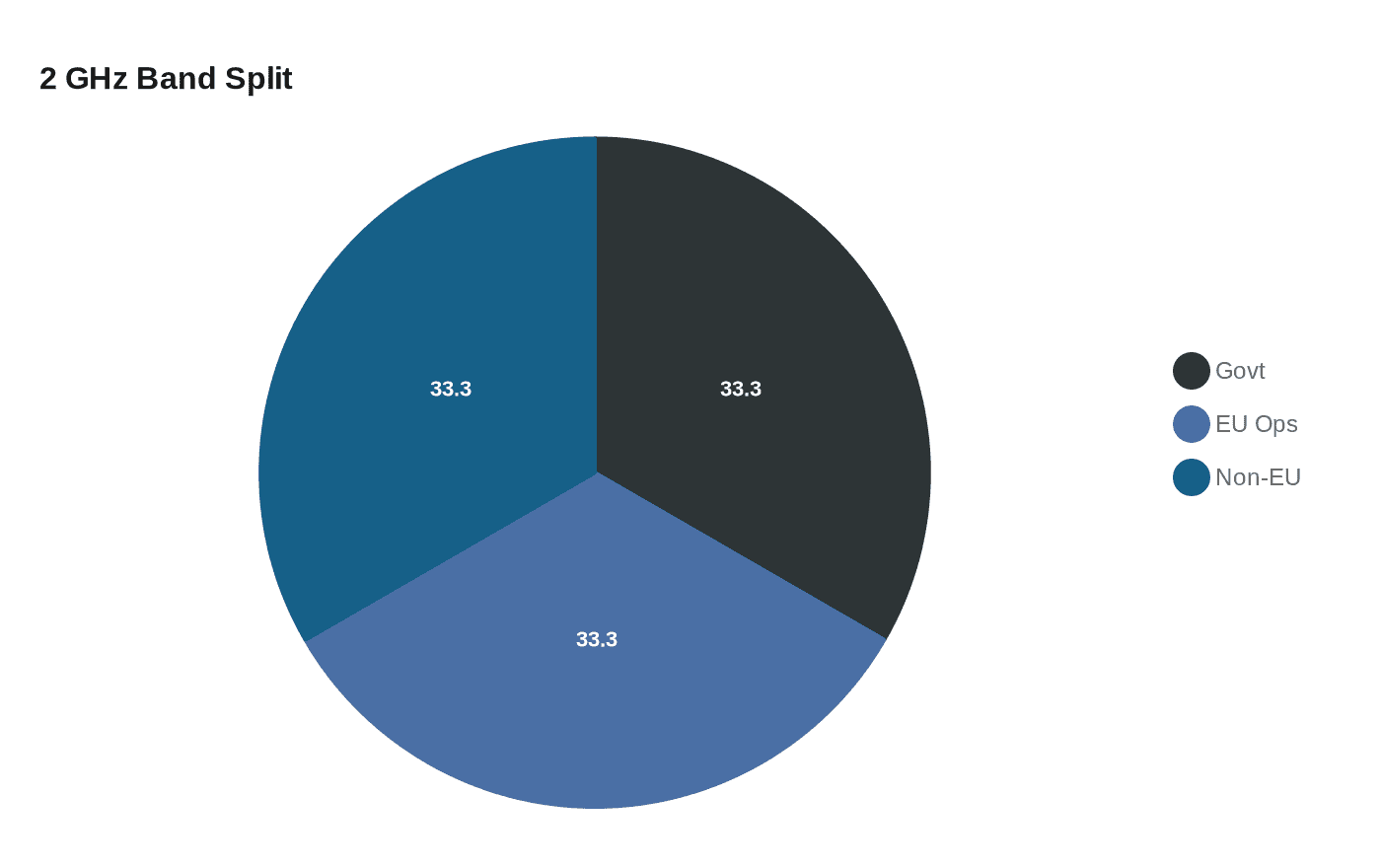
The European Commission moved to keep most of Europe’s mobile satellite spectrum under European control, setting up a fight over who will power satellite connectivity for phones, emergency services and government networks after current licenses expire in May 2027.
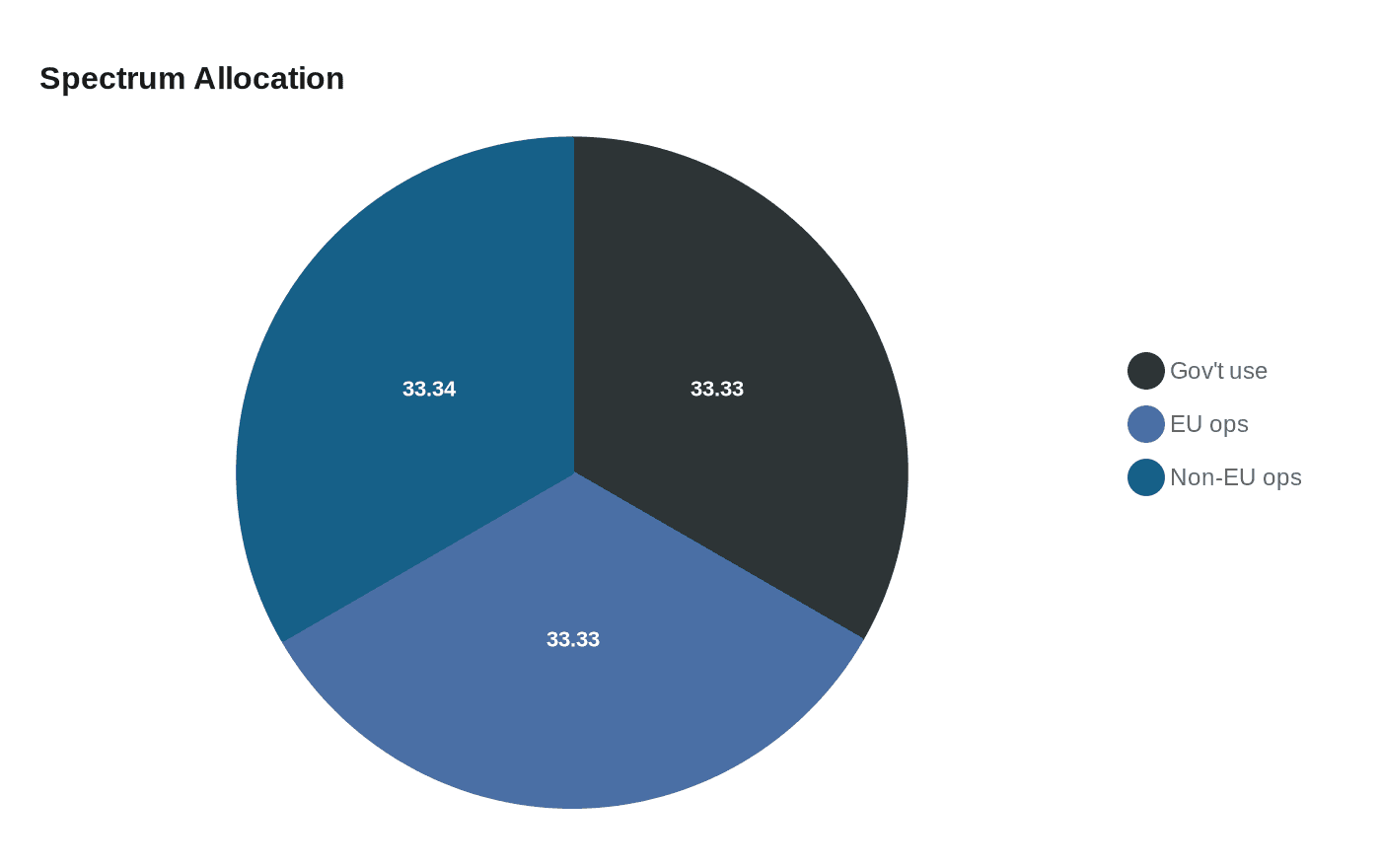
Under the proposal adopted on May 27, 2026, the Commission would reserve one third of the 2 GHz mobile satellite services band for governmental use, including security and military communications. That share would be handled by an EU operator tied to IRIS2, the bloc’s planned 290-satellite multi-orbit constellation. The remaining two thirds would be split evenly between EU and non-EU operators for commercial use, leaving room for companies such as Starlink and Amazon’s low-earth-orbit satellite business to compete for access next year.
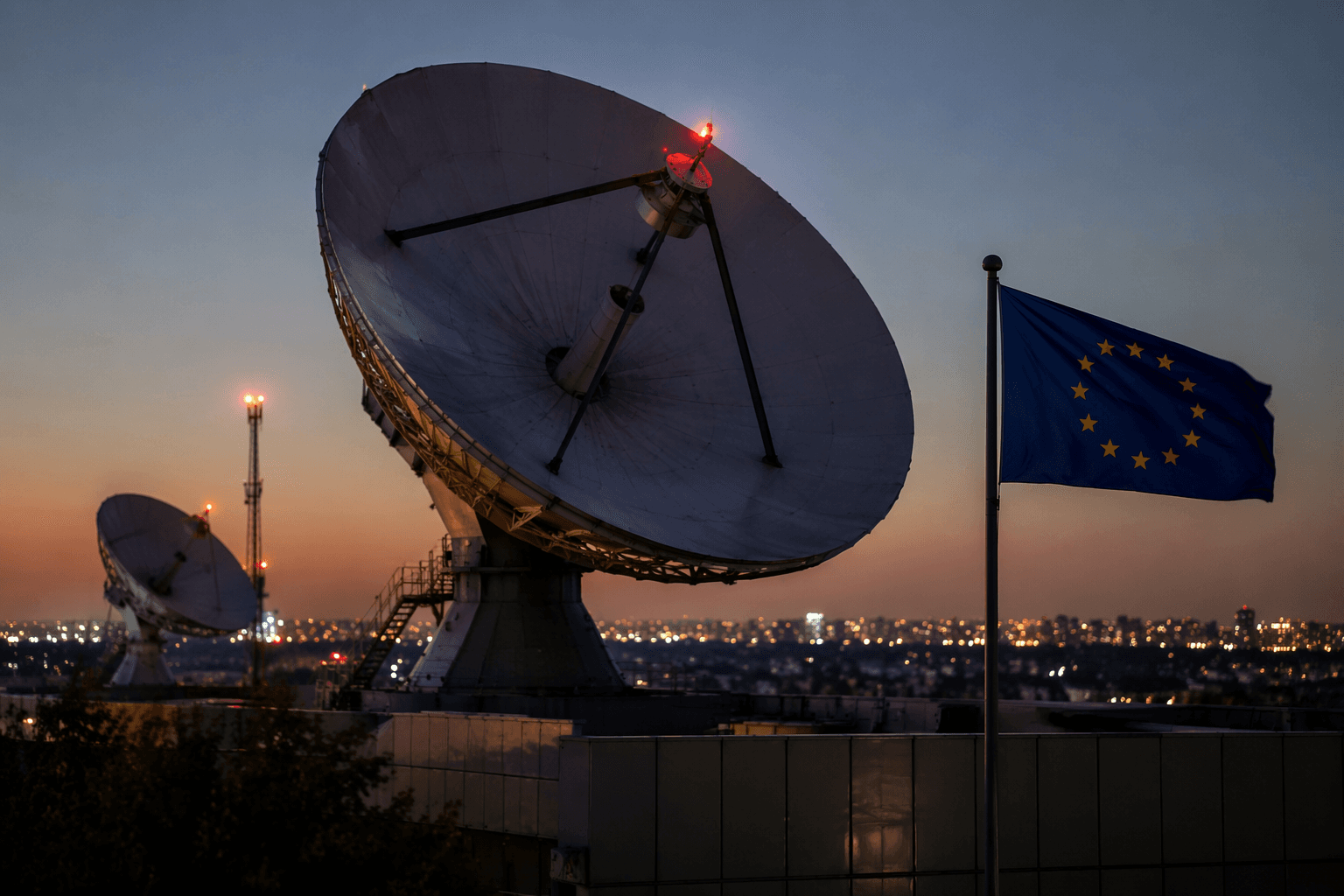
The policy is centered on the harmonized 2 GHz MSS band, which covers 1980-2010 MHz and 2170-2200 MHz. Those frequencies are already licensed on an exclusive basis to Viasat and EchoStar, after the Commission selected Inmarsat and Solaris Mobile in 2009 to provide mobile satellite services across the European Union. Inmarsat is now part of Viasat, while Solaris Mobile is now part of EchoStar.
Henna Virkkunen, the Commission’s executive vice-president for tech sovereignty, security and democracy, said satellite connectivity is crucial for the resilience of EU communication networks and for governmental services and critical communications. That framing reflects a broader shift in Brussels: space communications are increasingly being treated as strategic infrastructure, not just a telecom niche, at a time when Europe wants less dependence on U.S.-based operators.
IRIS2 sits at the center of that ambition. The European Commission says the program is its third flagship space initiative and is meant to deliver secure connectivity for the EU, its member states and critical users. The first launch is envisioned in 2029, with service expected to be operational by 2030. The contract for the constellation was signed with SpaceRISE, the consortium led by SES, Eutelsat and Hispasat.
The new spectrum rules also land as direct-to-device satellite broadband gathers commercial momentum. Vodafone and AST SpaceMobile have announced SatCo, a European joint venture that could seek access to the same band, tying the future of satellite service more closely to mobile network operators, emergency responders and underserved areas. The Commission’s choice will shape not only who gets spectrum, but how much protection Europe is willing to trade for competition, and whether consumers ultimately pay more for a system built to keep strategic control at home.
This article was produced by Prism’s automated news system from verified source data, official records, and press releases, then run through automated quality and moderation checks before publishing. The system is built and supervised by the people who set the standards it runs under. Read our full AI policy.
Know something we missed? Have a correction or additional information?
Submit a Tip