Peronists seek broader alliance as Milei’s support softens
Peronists are trying to turn Milei’s slipping numbers into a broader anti-government front, testing whether Argentina’s opposition can unite before 2027.
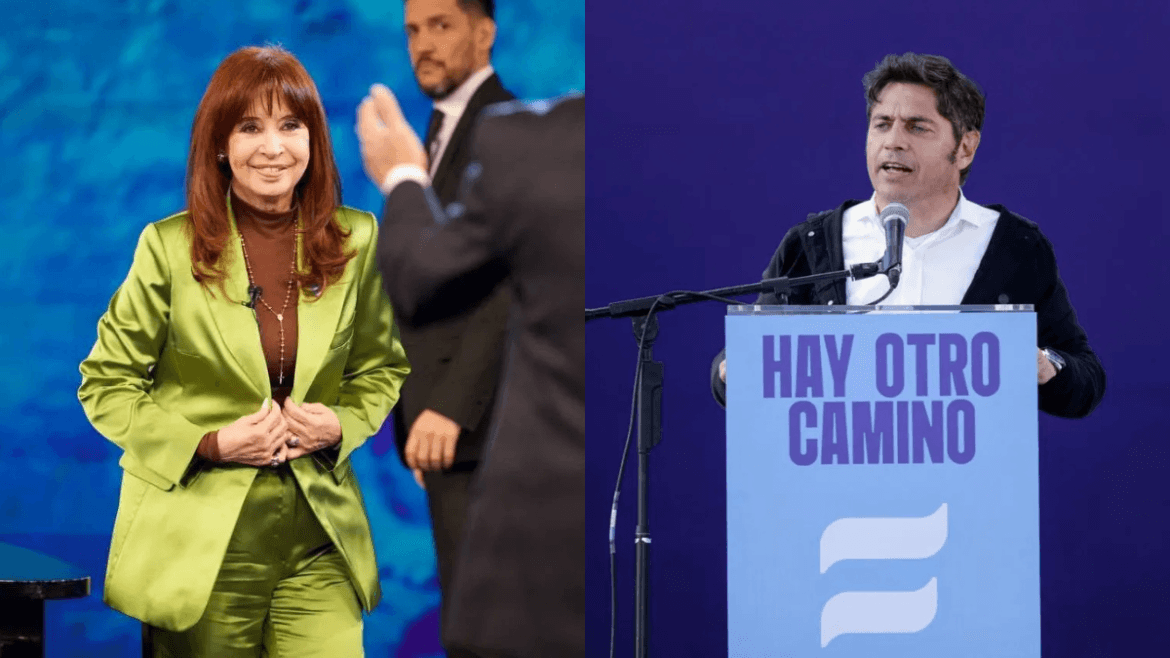
Peronist leaders are moving to widen their alliance as Javier Milei’s standing weakens, betting that Argentina’s main opposition can turn public fatigue with austerity into a durable national challenge. The push is also a test of whether Peronism is finally repairing its long-running fractures, or simply regrouping around a president whose support is softer than it looked a year ago.
Axel Kicillof, the governor of Buenos Aires province and head of the Justicialista Party there, said talks are under way to build a coalition that could include politicians from parties otherwise opposed to Milei. The effort comes after Peronism’s defeat in the October midterm election, which exposed the movement’s rivalries and competing leadership claims. Possible future contenders include Kicillof himself and Sergio Massa, the former economy minister who lost the presidency to Milei in 2023.
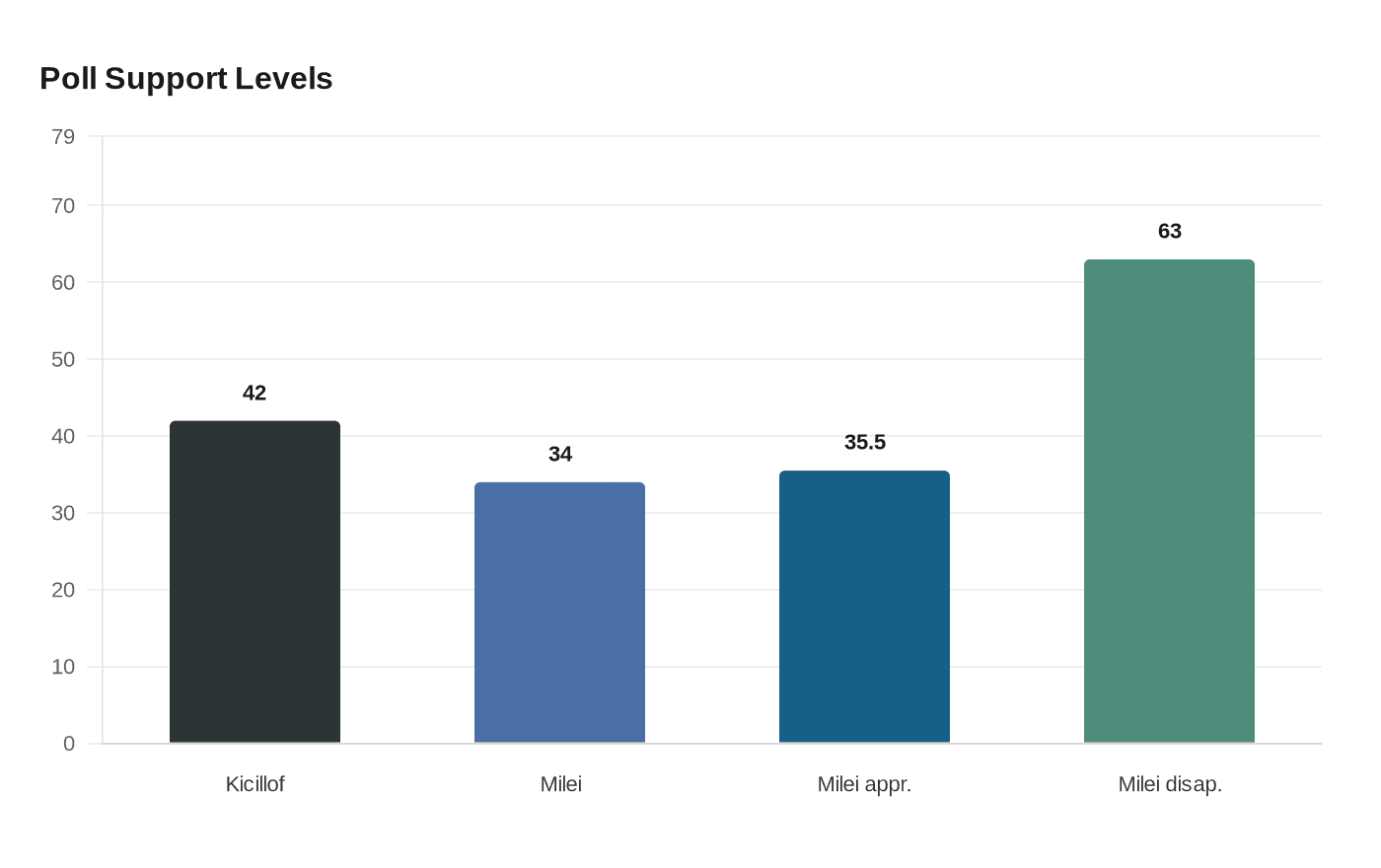
The political opening is rooted in a shift in the numbers. A May 2026 Opina Argentina poll cited by the report put Milei’s La Libertad Avanza and the Peronist camp in a technical tie. Another pollster, Trespuntozero, found 42% of voters said they would definitely or possibly vote for Kicillof, compared with 34% for Milei. AtlasIntel polling in April showed Milei at 35.5% approval and 63% disapproval, underscoring how quickly the governing coalition’s public standing has eroded.
Buenos Aires province remains the decisive battlefield. On September 7, 2025, Peronist Fuerza Patria won about 47% of the vote there and beat La Libertad Avanza by roughly 13 points in Argentina’s most populous province, home to about 40% of the national electorate. That result was read as a stress test for Milei’s governing project and helped lift Kicillof’s national profile.
The backdrop is not only electoral but institutional. Milei’s austerity drive helped bring down Argentina’s soaring inflation, but it has also fueled backlash, economic strain and political fatigue. A corruption scandal involving Karina Milei, his sister and top adviser, and allegations tied to disability-agency contracts added another layer of pressure. For Peronists, the question now is whether Milei’s slide marks the start of a real opposition comeback, or only another turn in Argentina’s volatile cycle of government weakness and opposition regrouping.
This article was produced by Prism’s automated news system from verified source data, official records, and press releases, then run through automated quality and moderation checks before publishing. The system is built and supervised by the people who set the standards it runs under. Read our full AI policy.
Know something we missed? Have a correction or additional information?
Submit a Tip