Lebanon PM Accuses Israel of War Crimes After Journalists Killed in Strike
A strike in southern Lebanon killed three journalists and then hit rescuers, escalating claims that protected civilians were deliberately targeted.
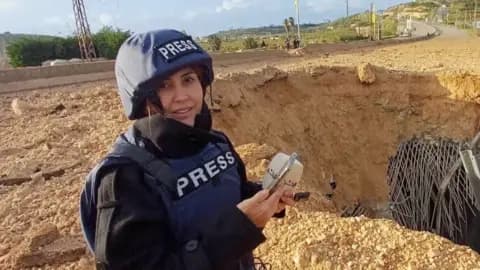
The killing of three Lebanese journalists in southern Lebanon has sharpened the question of whether Israel crossed the line from combat into war crimes. Prime Minister Najib Mikati accused Israel after the March 28 strike, and the case now turns on a grim set of facts: whether the journalists were targeted because they were reporters, whether rescue vehicles were struck to stop aid from reaching them, and whether medics were hit on the way in.
The dead were Fatima Ftouni and Mohammed Ftouni of Al-Mayadeen, and Ali Shoaib of Al-Manar. Israel said it had targeted one of the reporters. A follow-up strike hit rescue workers sent to assist them, and Lebanon’s health ministry said medics were directly targeted while heading to the scene. That detail matters under the laws of war, because journalists and medical workers are civilian-protected unless they are directly taking part in hostilities.
To build a war-crimes case, investigators would need evidence that protected people were intentionally attacked, or that commanders knew civilians, journalists, or rescuers would likely be hit and ordered the strike anyway. They would also have to examine whether there was any claimed military objective, whether the force used was proportionate to that objective, and whether the second strike on rescue crews was designed to block lifesaving aid. Tedros Adhanom Ghebreyesus, the director-general of the World Health Organization, said health workers are protected under international humanitarian law and “should never be targeted.”
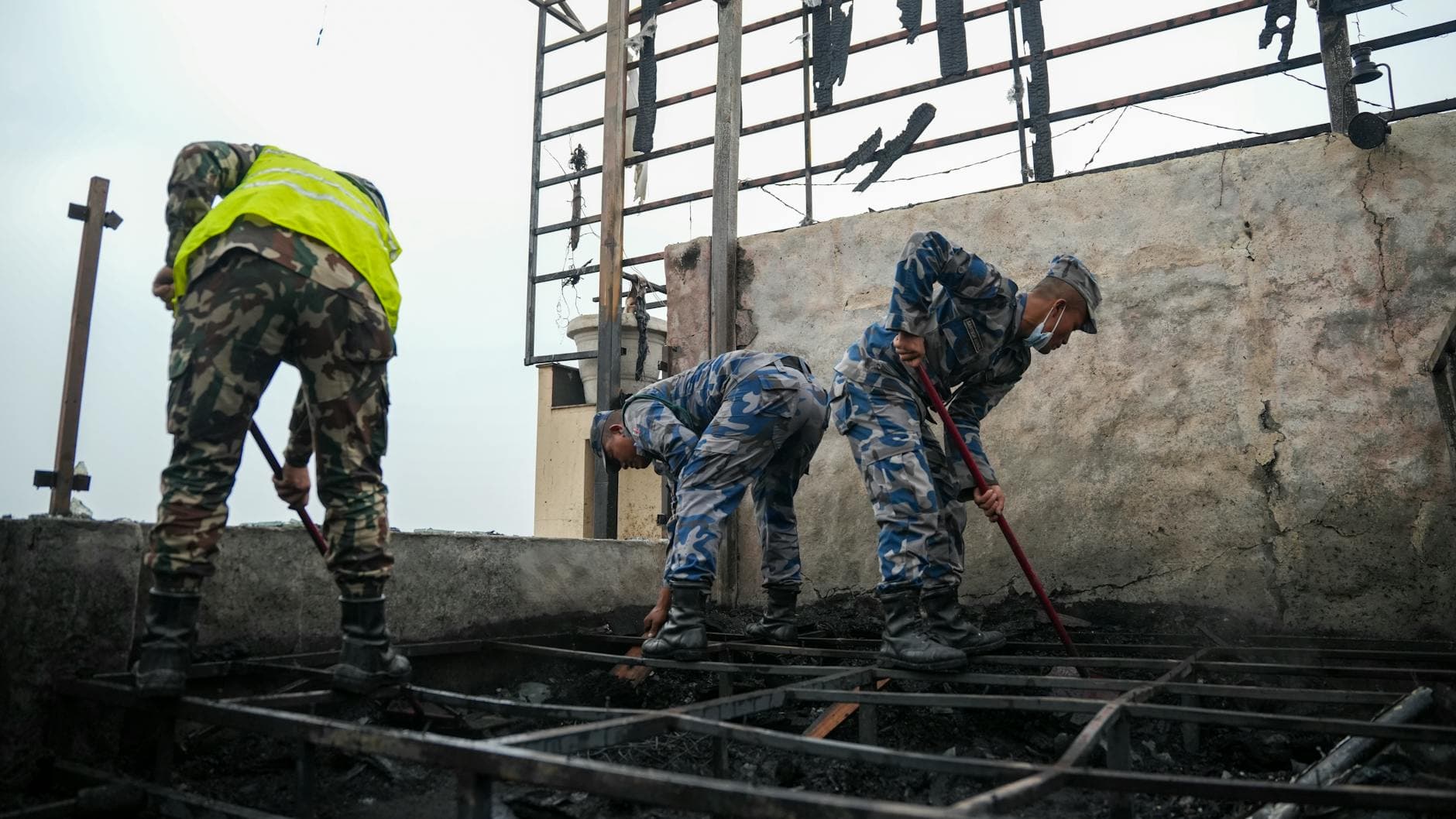
Press-freedom groups say the attack fits a broader pattern. The Committee to Protect Journalists said the killings reflected a worsening climate of impunity and called for international action. By its count, nine journalists had been killed in Lebanon since the Iran war began on February 28, 2026. Earlier in the same escalation, Mohamed Sherri of Al-Manar was killed in a March 18 strike in central Beirut, Hussain Hamood was killed in Nabatieh on March 25, and Ghada Dayekh of Sawt al-Farah radio was killed on April 8 in an Israeli airstrike on her home in Tyre.
Lebanese authorities said Israeli attacks across Lebanon had killed more than 200 people and wounded about 1,000 by April 8. For reporters, medics, and families caught in the war zone, the danger is not only death at the scene. It is the erosion of the witnesses who document what the conflict does to civilians, and the shrinking space for anyone to reach the wounded before the next strike lands.
This article was produced by Prism’s automated news system from verified source data, official records, and press releases, then run through automated quality and moderation checks before publishing. The system is built and supervised by the people who set the standards it runs under. Read our full AI policy.
Did this article answer your question?