Lebanon's cease-fire brings relief, but history warns of another war
Relief returned to Tyre and Beirut’s southern suburbs, but the truce rested on Resolution 1701, a framework long unable to stop the cycle of war.
The cease-fire stopped the shooting, but it did not settle the conflict. In Lebanon, the deal that took effect at 4:00 a.m. on November 27, 2024, was built around a 60-day halt to hostilities, an Israeli withdrawal from southern Lebanon, and Hezbollah’s move north of the Litani River under a monitoring mechanism involving Lebanese forces and international overseers.
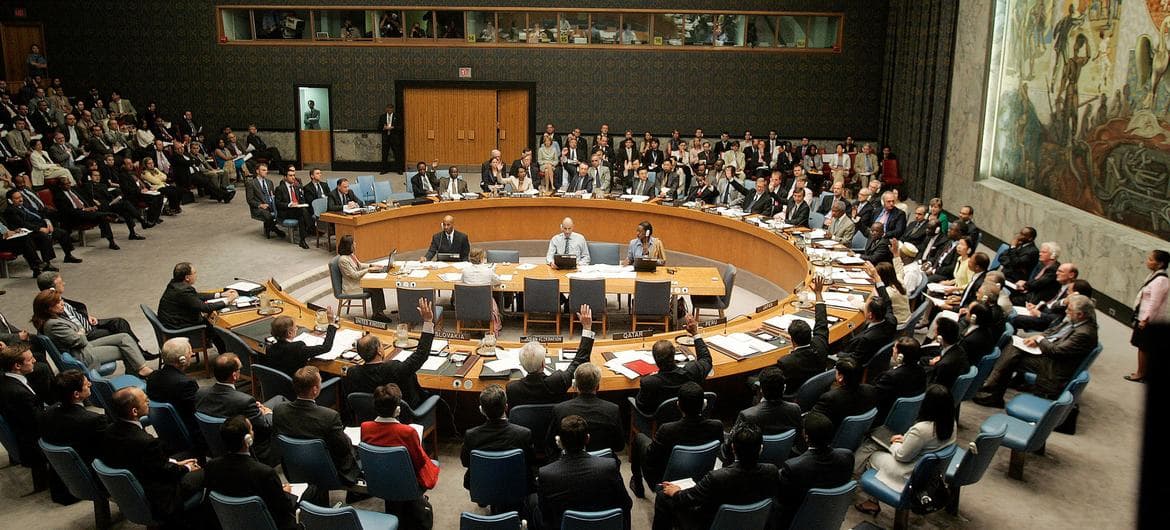
That structure echoed an older promise that never fully held. U.N. Security Council Resolution 1701, adopted on August 11, 2006 after the 2006 Israel-Hezbollah war, called for a full cessation of hostilities, the deployment of Lebanese forces and UNIFIL in the south, and the withdrawal of Israeli forces from southern Lebanon in parallel with that deployment. It also reflected the wreckage left behind then: hundreds of deaths and injuries, extensive damage to civilian infrastructure, and hundreds of thousands of internally displaced people.

The 2024 war repeated the same pattern of escalation first, diplomacy later. It began after Hezbollah attacks on Israel starting October 8, 2023, then widened into Israel’s ground invasion of Lebanon on October 1, 2024. By the time the truce took hold, UNICEF said more than 240 children had been killed and around 1,400 injured. Humanitarian agencies said nearly 900,000 people had been displaced in Lebanon by November 24, 2024, a scale of uprooting that once again turned cease-fire diplomacy into emergency management rather than political settlement.

After the fighting paused, about 580,000 displaced people began returning home. In Tyre and Beirut’s southern suburbs, families rushed back to damaged apartments and shattered neighborhoods, even as Israeli warnings told residents not to return to areas that had been evacuated. The scenes captured the contradiction at the heart of Lebanon’s truces: they offer immediate relief, but they also expose how little enforcement exists once the headlines of breakthrough fade.
United Nations officials said the cease-fire brought much-needed respite and hope, but also stressed that it was only the start of a critical process centered on implementing Resolution 1701. That caution mattered. The deal was not a final settlement, and Lebanon once again found itself relying on a temporary pause, not the institutions, guarantees, or political agreement needed to prevent the next war.
This article was produced by Prism’s automated news system from verified source data, official records, and press releases, then run through automated quality and moderation checks before publishing. The system is built and supervised by the people who set the standards it runs under. Read our full AI policy.
Did this article answer your question?


