Lecornu Seeks Rollover Law to Avert French Fiscal Shutdown
Prime Minister Sébastien Lecornu moved rapidly on December 22 to push emergency rollover legislation that would keep the state functioning into January after lawmakers failed to agree a full 2026 budget. The measure buys time for a final deal, but it also exposes France to investor scrutiny and renewed political bargaining ahead of a fraught budget season.
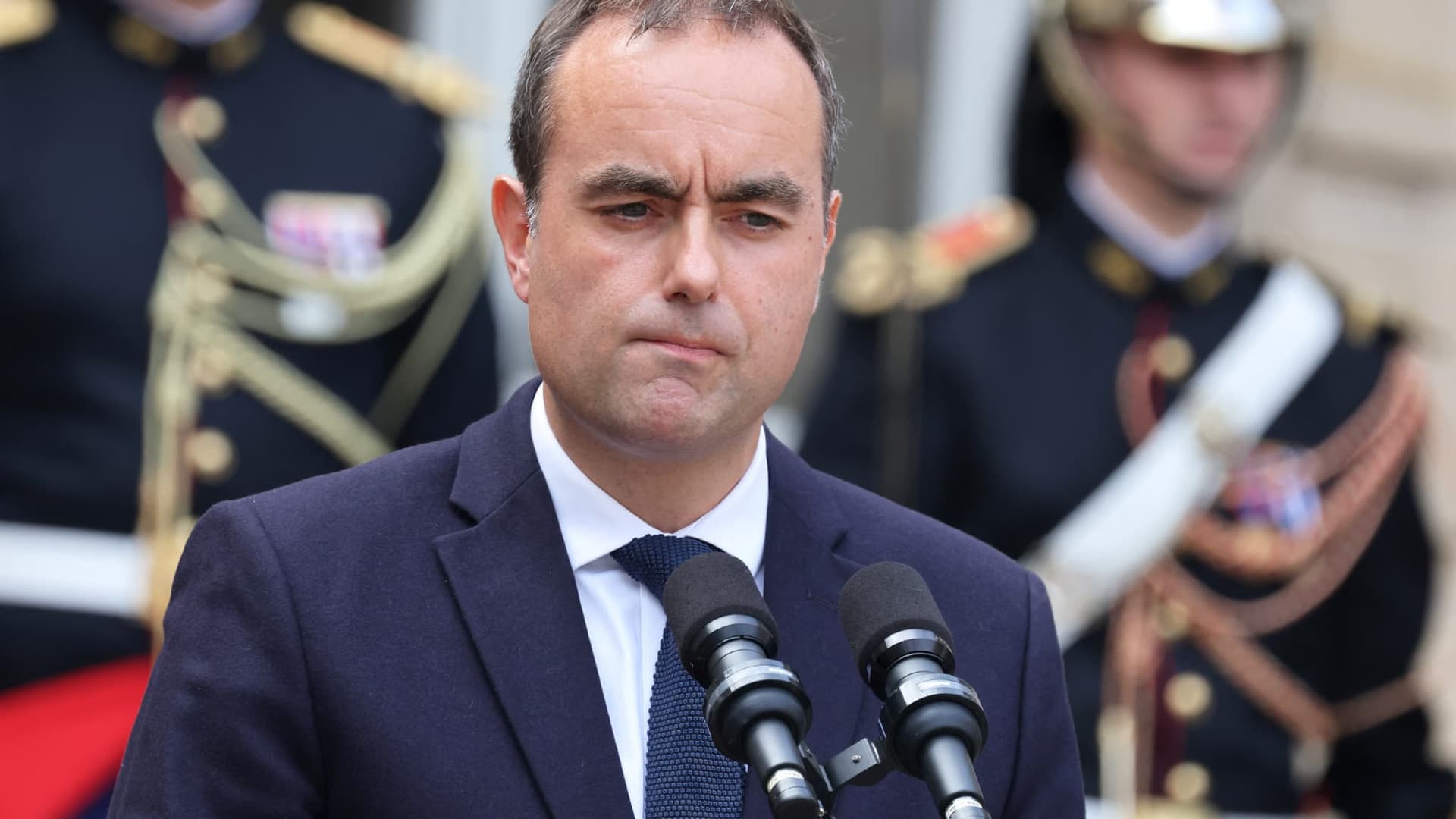
With a parliamentary deadline looming and a joint committee unable to reconcile competing budget drafts, Prime Minister Sébastien Lecornu on December 22 pressed for a special law to temporarily extend the state’s authority to spend, collect taxes and borrow into January. The step is designed to prevent a shutdown of public finances while negotiations over the full 2026 budget resume.
The government planned to approve the rollover law at a cabinet meeting and then send it to parliament for rapid adoption. Officials said they expected lawmakers to approve the measure on Tuesday, but the move underscores the fragile arithmetic facing a minority government in a fractious legislature. Budget fights since President Emmanuel Macron lost his majority in a 2024 snap election have already toppled three governments, leaving the executive with limited room to manoeuvre.
Government spokesperson Maud Bregeon framed the special law as a way to "give final negotiations a chance." She added, quoting President Macron, "This special law is not a budget ... we must, as quickly as possible, in January, come up with a budget for the country." Lecornu has scheduled meetings with party leaders outside the far right and the hard left in an effort to broaden support before the cabinet session.
The decision to pursue a parliamentary rollover rather than invoke extraordinary constitutional powers sets up competing expectations among political actors. Conservative lawmaker Philippe Juvin, who steered the 2026 draft through the lower house, said on television he expected a full budget text to be passed in early January and expressed hope that Lecornu might use special constitutional levers to secure a compromise acceptable to Socialist lawmakers. Government officials have formally rejected use of Article 49.3 of the constitution, the mechanism that forces a bill through without a vote, and instead are preparing the special law to stave off a financial stoppage.
The stakes are fiscal and geopolitical. France now runs the euro zone’s highest budget deficit, and any prolonged uncertainty over next year’s fiscal plan will be watched closely by investors and ratings agencies. The government points to a recent precedent when a rollover enacted in December 2024 lasted until a 2025 budget was finally approved in February, a delay the government said cost 12 billion euros in added fiscal strain.
Historical memory of that episode shapes current bargaining. The 2024 rollover was adopted unanimously after the fall of Michel Barnier’s government and gave a newly installed administration led by François Bayrou time to open talks with the Socialist Party. That arrangement included political trades that helped move the subsequent budget forward.
For now the immediate calendar is tight. Lecornu’s move followed Friday’s failure of the joint committee to produce a unified 2026 text. The cabinet meeting will set the official wording of the special law and send it to parliament for an expedited vote. Markets will monitor the language and the timetable closely, and political negotiations will determine whether January brings a full budget or renewed brinkmanship that could again test France’s fiscal credibility.
This article was produced by Prism’s automated news system from verified source data, official records, and press releases, then run through automated quality and moderation checks before publishing. The system is built and supervised by the people who set the standards it runs under. Read our full AI policy.
Did this article answer your question?


