Lee Raymond, ExxonMobil architect and climate skeptic, dies at 87
Lee Raymond, who built ExxonMobil into the world’s largest publicly traded oil company, died in Dallas at 87. His legacy also includes hardening the oil industry’s resistance to climate science.
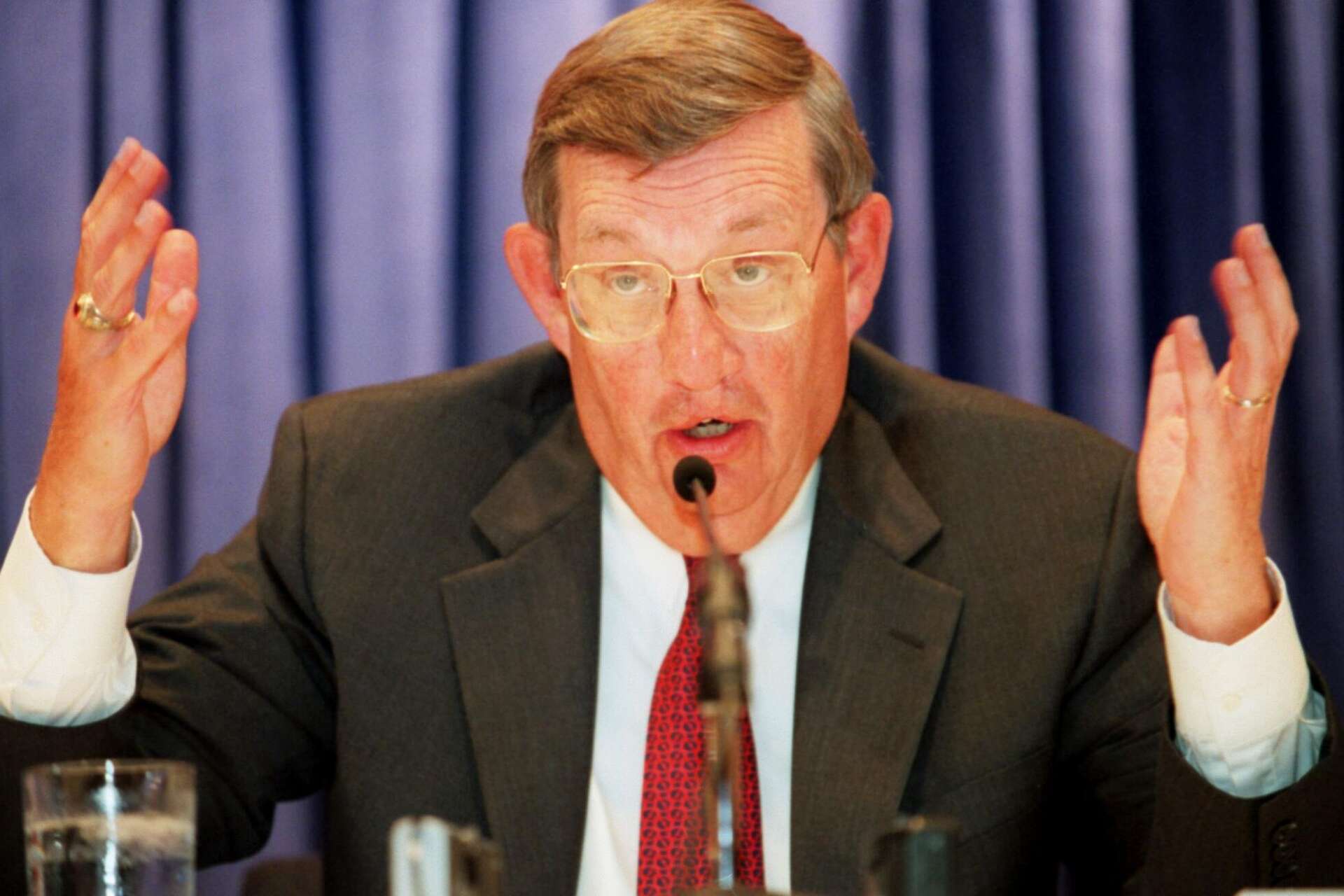
Lee Raymond, the hard-driving executive who helped turn ExxonMobil into an oil giant and became one of the industry’s most visible skeptics of climate change, died June 6 in Dallas at 87. He died of complications from pneumonia, closing a career that reshaped both corporate America and the public debate over fossil fuels.
Born Aug. 13, 1938, in Watertown, South Dakota, Raymond earned a chemical engineering degree from the University of Wisconsin and a Ph.D. from the University of Minnesota before joining Exxon in 1963. He rose through the company with a relentless emphasis on efficiency and cost control, traits that defined his leadership and helped make Exxon one of the most profitable energy companies in the world.
Raymond’s defining corporate achievement was the 1999 merger of Exxon and Mobil, a deal he helped engineer after the companies announced it in December 1998. Approved by U.S. and European regulators with conditions that included divestitures to address antitrust concerns, the $81 billion transaction was then described as the largest industrial merger in history. It created the world’s largest publicly traded oil company and cemented Raymond’s reputation as one of the most powerful executives in the industry. Raymond and Mobil chief executive Lou Noto said the combination would make the new company “an effective global competitor in a volatile world economy.”

He served as chairman and chief executive of Exxon until the merger and then led ExxonMobil until 2005. Under his tenure, the company’s scale, market reach and political influence expanded sharply, and his stewardship became closely associated with the modern oil industry’s public posture toward climate policy. Raymond was widely criticized for denying the scientific consensus on climate change and resisting regulation, positions that drew fierce rebukes from environmental groups and helped make him a symbol of corporate opposition to climate action.
His death also revived attention to the scale of the fortune he accumulated. Raymond retired in 2005 with a package widely reported at nearly $400 million, a figure that underscored both the financial power he wielded and the controversy that followed him. He is remembered as a builder of an oil behemoth and as a central figure in the industry’s long effort to delay public acceptance of climate science.
This article was produced by Prism’s automated news system from verified source data, official records, and press releases, then run through automated quality and moderation checks before publishing. The system is built and supervised by the people who set the standards it runs under. Read our full AI policy.
Did this article answer your question?