Lessor DAE says engine makers, small suppliers drive jet delivery delays
DAE Capital told an airline conference that engine manufacturers and smaller suppliers are the main causes of delivery delays, signaling broader supply-chain strain for aviation.
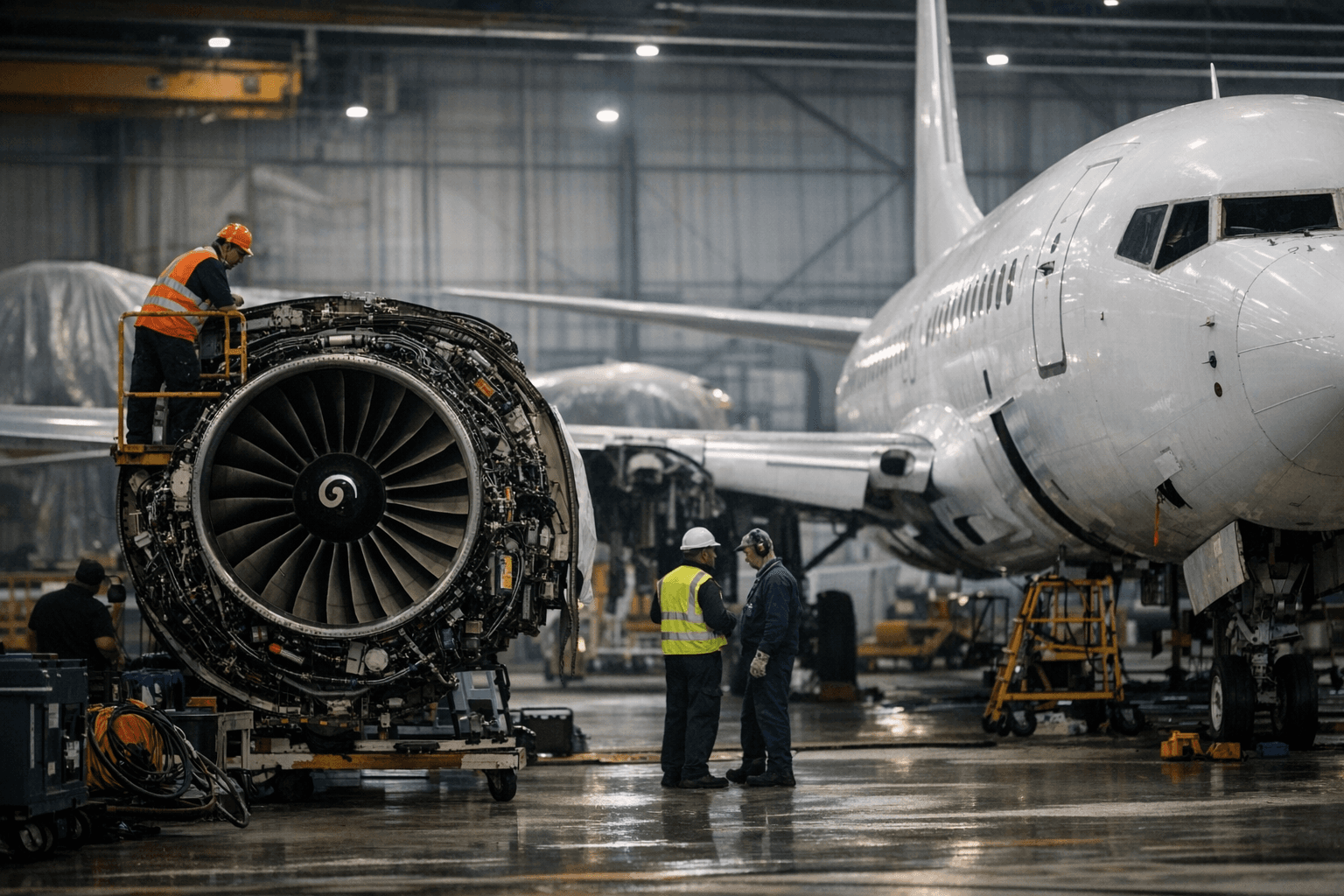
Aircraft lessor DAE Capital told industry delegates that the primary bottlenecks slowing aircraft deliveries are not the airframe producers but engine manufacturers and smaller component suppliers, underscoring a shift in where the production pinch points now lie. The disclosure, made at an airline conference on January 26, 2026, highlights how downstream parts and specialized assemblies are constraining the recovery and expansion of jet output.
DAE’s assessment reframes a problem long viewed as concentrated among airframers. Instead, shortages of engines, engine components and smaller subassemblies have produced delivery deferrals that ripple through airlines, lessors and spare-parts markets. For lessors, which bridge aircraft supply and airline demand, delayed handovers compress fleet plans and can force interim lease extensions, creating uncertainty over asset utilization and revenue timing.
The market effects are multi-layered. Airlines facing postponed deliveries often must either keep older, less fuel-efficient aircraft in service or pursue expensive short-term wet leases, practices that raise operating costs and complicate fuel and emissions planning. Lessors in turn face negotiation pressures on lease rates and residual values when contractual delivery schedules slip. Investors and credit providers watch these dynamics closely because prolonged uncertainty can affect cash flow forecasts, collateral valuations and capital allocation across the sector.
Industry analysts have highlighted that the modern commercial jet is a tightly choreographed assembly of complex subsystems sourced globally. When a concentrated set of suppliers, notably engine manufacturers and niche partmakers, hits capacity constraints, the whole production pipeline is held up. This concentration creates fragility: lead-time extensions at a few nodes cascade into longer delivery tail times for complete aircraft, increasing order backlog volatility and complicating maintenance and spares planning.
Policy and strategic responses will be central to restoring resilience. Expanding production capacity for engines and critical components requires long lead times, skilled labor and capital investment. Governments could consider targeted incentives to expand manufacturing capacity for strategic aviation components, invest in workforce training, and streamline cross-border logistics for high-value parts. For the industry, a renewed focus on supplier diversification, dual-sourcing strategies and higher inventory buffers for critical components could reduce future bottlenecks but would raise costs and require revised contracting models.
Longer-term trends are also at play. Airlines’ fleet renewal and growth ambitions, driven by sustainability targets and rising travel demand in many regions, depend on predictable deliveries. If component-driven delays persist, fleet modernization plans will slow, potentially delaying fuel-efficiency gains and emissions reductions that the sector has committed to achieve. At the same time, sustained supply constraints can push up used-aircraft values and lease rates, altering the economics of fleet investment and potentially accelerating alternative strategies such as aircraft retrofits or accelerated development of next-generation propulsion technologies.
DAE’s comments serve as a reminder that solving aircraft delivery problems demands attention beyond final assembly lines. Strengthening the supplier ecosystem for engines and critical subcomponents will be as important as capacity at airframe factories if the aviation industry is to meet its near-term operational needs and longer-term environmental objectives.
This article was produced by Prism’s automated news system from verified source data, official records, and press releases, then run through automated quality and moderation checks before publishing. The system is built and supervised by the people who set the standards it runs under. Read our full AI policy.
Did this article answer your question?

