Lewisburg Fuji Steakhouse passes inspection after ice-scoop violation corrected
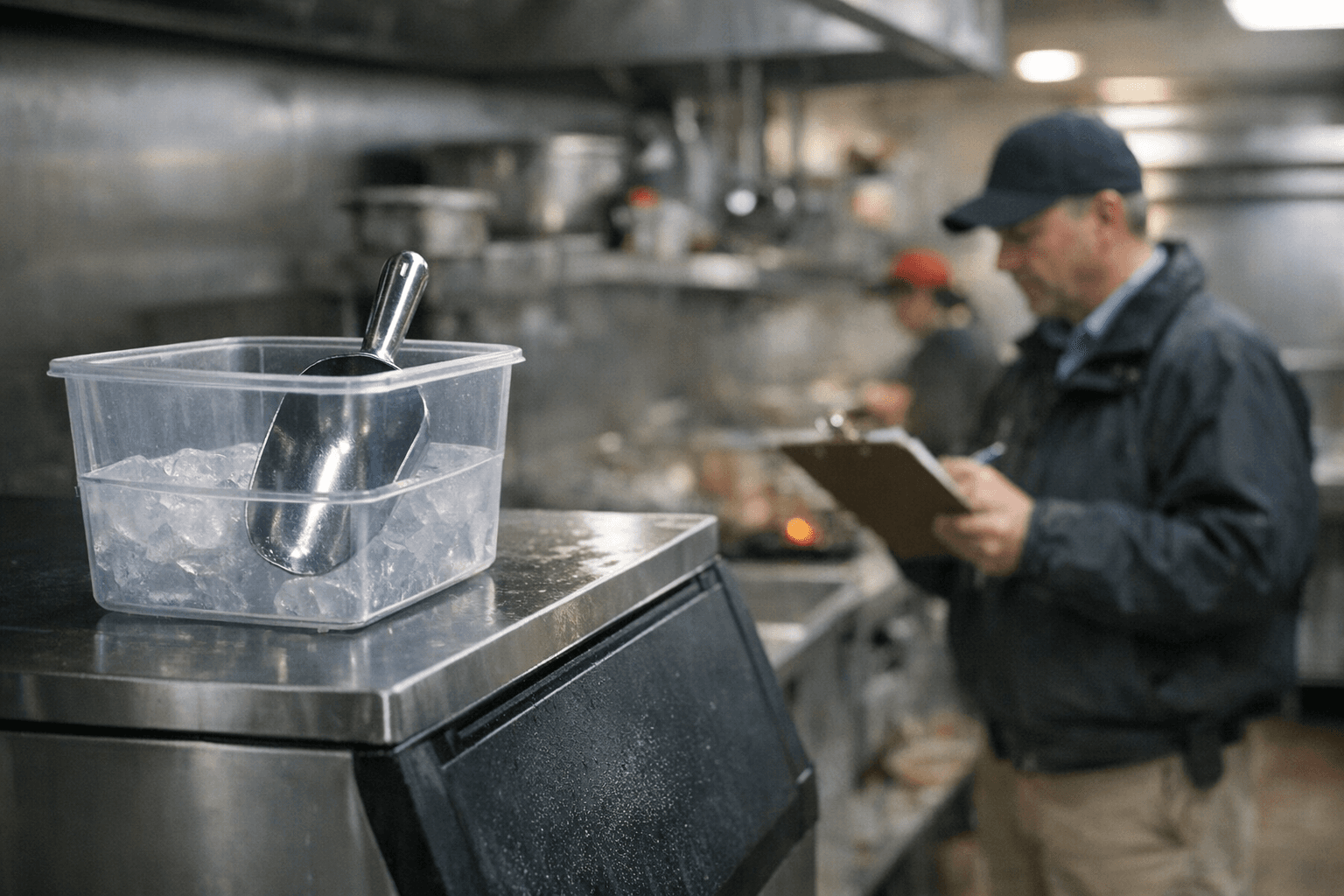
Fuji Steakhouse at 199 Ajk Blvd. in Lewisburg passed a recent state food-safety inspection, though inspectors noted an ice scoop stored openly on top of an ice machine and not kept in a cleanable container. The issue was corrected on site, and ownership of the restaurant was recorded as having changed on Dec. 23, giving local patrons a prompt compliance update under new management.
Fuji Steakhouse, located at 199 Ajk Blvd. in Lewisburg, passed a state sanitary inspection conducted in early January, but inspectors observed a lapse in safe ice-handling practices that was corrected during the visit. The inspection record notes a change of owner on Dec. 23 and documents that an ice scoop was being stored freely on top of an ice machine rather than in a cleanable container, a condition the inspector required to be remedied immediately.
Improper storage of ice scoops can create a transmission route for contaminants because scoops that contact non-food surfaces can deposit microbes into ice used in beverages and food preparation. By correcting the storage practice on site, the establishment addressed the immediate risk identified by the inspector, and the inspection concluded with a passing result.
For customers in Union County, the incident underscores the day-to-day importance of routine health inspections in maintaining food-safety standards, particularly when restaurants undergo ownership transitions. A change in ownership, recorded for Fuji Steakhouse on Dec. 23, often brings new management practices and operational changes that local regulators monitor to ensure continued compliance with sanitation rules. The inspection finding and on-site correction indicate active enforcement and a willingness by the business to resolve a recognized problem.
Economic and market implications for a small restaurant like Fuji Steakhouse are practical: routine violations that are quickly corrected typically have limited impact on patron confidence, while unresolved or repeated failures can hurt reputation and revenue. For new owners, maintaining a clean record on state inspections can be important for customer retention, insurance terms, and licensing stability.
Residents concerned about food-safety practices should take reassurance from inspections that document both problems and their remediation. Local diners who want to follow inspection activity can consult state inspection records for the latest entries on individual establishments. The correction at Fuji Steakhouse brought the specific risk to a prompt close, and the business entered the new ownership period with a passing inspection result.
Sources:
Know something we missed? Have a correction or additional information?
Submit a Tip