Lightning Dock Geothermal Demonstrates Hidalgo County Energy Potential and Planning Needs
Lightning Dock’s 15 MW geothermal plant near Lordsburg shows geothermal can supply steady local power and economic opportunity, but Hidalgo County needs planning for water, environment, and growth.
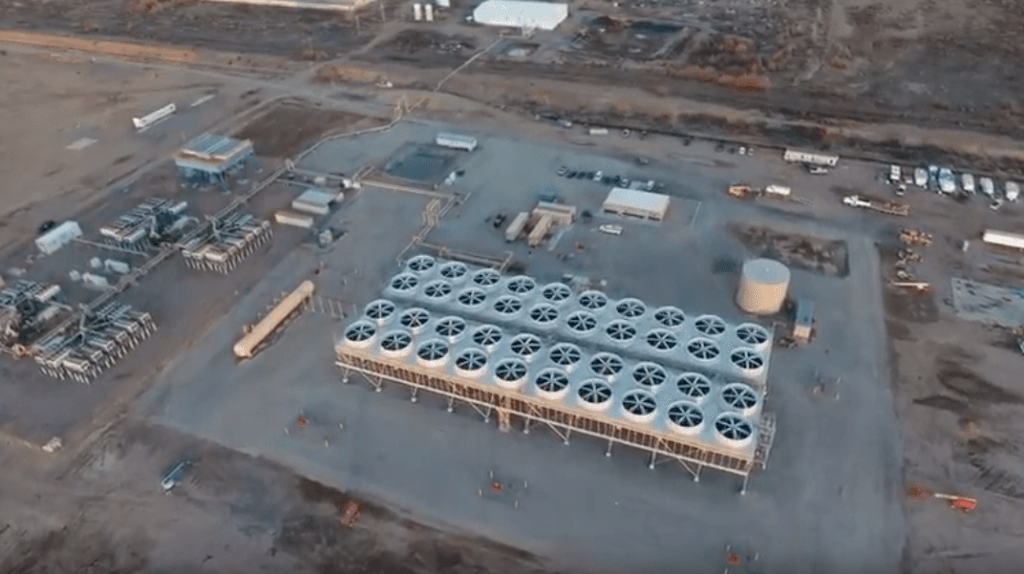
Lightning Dock in the Animas Valley, near Lordsburg, stands as New Mexico’s utility-scale geothermal generation asset and a concrete example of what geothermal development could mean for Hidalgo County. The plant operates as a binary geothermal facility, extracting heat from a subsurface reservoir to drive a closed-loop working fluid and generate electricity. Produced geothermal fluids are re-injected to sustain the resource, and the facility is listed at roughly 15 MW nameplate capacity. As the state’s primary commercial geothermal power source, Lightning Dock delivers dispatchable, around-the-clock renewable energy that complements intermittent wind and solar on regional grids.
For Hidalgo County residents and officials, the plant’s presence reframes the conversation about local economic development. Lightning Dock demonstrates viability for geothermal exploration, resource mapping, and potential project development in the Lordsburg region. A functioning dispatchable generator provides steady power and predictable revenue streams that can support jobs, municipal tax bases, and sustained operations unlike the more variable income associated with short-term mineral extraction. The binary technology and reinjection practices used at Lightning Dock also illustrate operational approaches that limit surface emissions and maintain subsurface pressures, factors important to regulators and neighbors.
Market implications extend beyond parish lines. Dispatchable geothermal capacity can reduce reliance on fossil-fuel peaker plants, strengthen resilience as wind and solar penetration increases, and attract utility and developer interest in areas with mapped geothermal potential. For Hidalgo County, that interest could translate to new permitting requests, land-lease negotiations, and infrastructure needs such as transmission upgrades and access roads.

The facility’s example also highlights planning gaps that local officials must address. Environmental review processes need to evaluate impacts on playas and basin hydrology near Lordsburg, and water-use planning must reconcile geothermal fluid management with agricultural and municipal demands. Community engagement will be essential to build trust around exploration, drilling, and any future expansions, and county land-use rules will shape how developers site equipment and access resources.
Long-term trends in the energy transition favor firm, low-carbon resources that can work alongside wind and solar. Lightning Dock shows Hidalgo County has geothermal assets that fit this emerging market demand, but realizing benefits will require proactive policies: resource mapping, clear permitting pathways, robust environmental safeguards, and coordinated local-state planning. For residents, the next steps will be public discussion and technical work to turn this geothermal potential into durable local jobs and reliable clean power.
Sources:
Know something we missed? Have a correction or additional information?
Submit a Tip