Shakespeare Ghost Town Near Lordsburg Offers Guided Tours, Supports Restoration, Call Ahead
Shakespeare near Lordsburg offers guided tours of preserved mining-era buildings; call ahead as cell reception is limited and admission supports restoration.
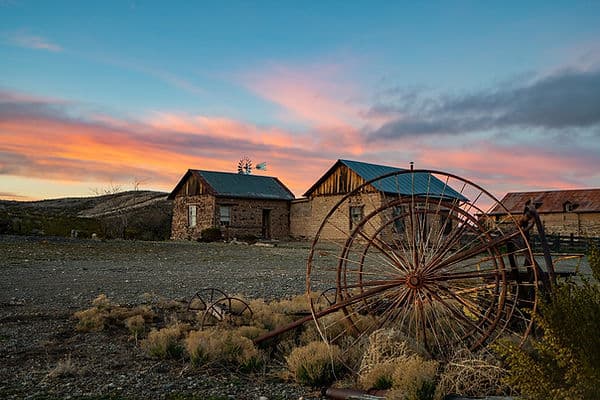
Shakespeare, a privately owned ghost town three miles south of Lordsburg, is open for guided tours that take visitors into multiple restored mining-era buildings and points along the Butterfield-Overland Stage route. The townsite, held by the Hill family for decades and listed on the National Register of Historic Places, operates on a preservation-first model: admission proceeds are used for upkeep and restoration rather than turning the site into a highly commercial attraction.
Tour programs typically include interior access to the company mining house, hotel, saloon, assay office, and the post office/general store, among other structures. Tours are usually scheduled mid-morning and mid-afternoon; organizers advise callers to confirm exact times and guide availability before setting out because cell reception is limited in some Bootheel locations. General contact information and visitor details are posted at shakespeareghostown.com/contact-info.
For Hidalgo County residents and Lordsburg businesses, Shakespeare presents a modest but tangible heritage-tourism opportunity. Admission revenue directly supports maintenance of fragile historic fabric and funds periodic living-history reenactments held several times a year. Those reenactments and guided visits can extend visitor stays in the area, creating potential spillover spending at local gas stations, restaurants, and lodging in Lordsburg. Because Shakespeare remains under private stewardship, the site’s managers prioritize preservation decisions over commercial expansion, a choice that preserves authenticity but limits high-volume visitor programming.
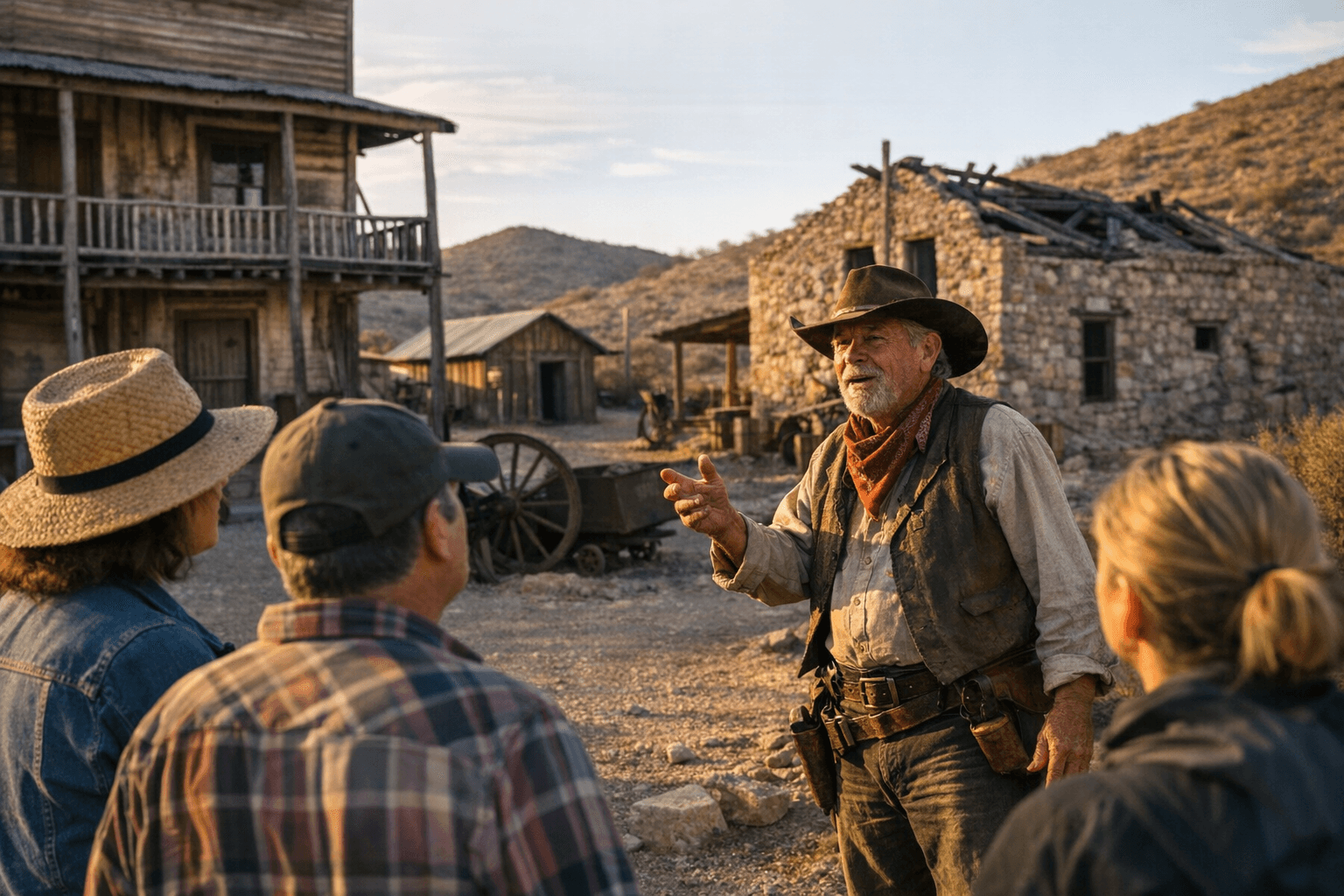
Practical travel notes matter for planning: Shakespeare is best reached by car, and the short trip south of Lordsburg can be complicated by weak cellphone coverage across parts of the Bootheel, so organizers recommend calling ahead. The on-site approach aims for small-group experiences that let guides show interiors and explain the town’s mining-era operations and its connections to regional mail and transport routes.
From a policy and local-economy perspective, the Hill family’s stewardship and the site’s National Register status make Shakespeare a candidate for grant funding and tax incentives tied to historic preservation. Continued operation depends on steady visitor revenue and on occasional external support to address larger restoration needs. For Hidalgo County officials weighing tourism strategies, Shakespeare illustrates a low-footprint model: modest visitor numbers, concentrated conservation spending, and the potential to reinforce Lordsburg’s role as a gateway to Bootheel heritage.
Residents planning a visit should call ahead, expect small-group guided tours, and recognize that admission fees help keep Shakespeare standing. Continued community support and sensible promotion could turn those preservation dollars into a slow but steady economic return for Lordsburg and Hidalgo County.
Sources:
Know something we missed? Have a correction or additional information?
Submit a Tip