Lincoln Trail Bridge Anchors Tell City Riverfront Economy, Boosts Seasonal Tourism
Lincoln Trail Bridge links Tell City and Cannelton, anchoring Tell City's riverfront economy. Seasonal visitors drawn to festivals and boating support downtown businesses but create parking pressure.

The Ohio River crossing that links Tell City, Indiana, and Cannelton, Kentucky functions as both a practical transportation link and a visible anchor for Tell City's riverfront economy. Daily commuter and freight traffic keep the bridge busy year-round, while festivals, walking routes, boating access, and riverfront programming turn the area into a seasonal destination that channels visitors into downtown restaurants, retailers, and outfitters.
Tell City's riverfront sits directly adjacent to the Lincoln Trail Bridge, making the structure a focal point for event planners and local leaders who have integrated the bridge into tourism and downtown-revitalization planning. The combined effect is twofold: steady demand from commuters and freight supports a baseline level of economic activity, while spikes in visitors during festival season produce concentrated sales and foot traffic that can make or break small businesses that rely on weekend crowds.
Those seasonal crowds have tangible local impacts. Restaurants report higher seat turnover during weekends tied to riverfront events, outfitters register increased demand for boat rentals and supplies, and retailers see inventory cycles accelerate around festival calendars. At the same time, festival days expose infrastructure limits: parking and access challenges on busy days displace nearby residents, create congestion for delivery trucks that serve downtown merchants, and raise enforcement and safety concerns for organizers.
From a policy perspective, the Lincoln Trail Bridge creates both assets and constraints for Perry County leaders. The bridge's role as an interstate connector bolsters the case for targeted investments in pedestrian access, wayfinding, and parking management near the riverfront. Coordinated scheduling between Tell City officials and event organizers can smooth peak demand, and modest capital improvements at riverfront boat launches and walking routes can raise per-visitor spending by improving the customer experience. Maintaining reliable freight access across the bridge is also essential; interruptions would ripple into downtown supply chains and could reduce weekday sales that sustain businesses through the off-season.
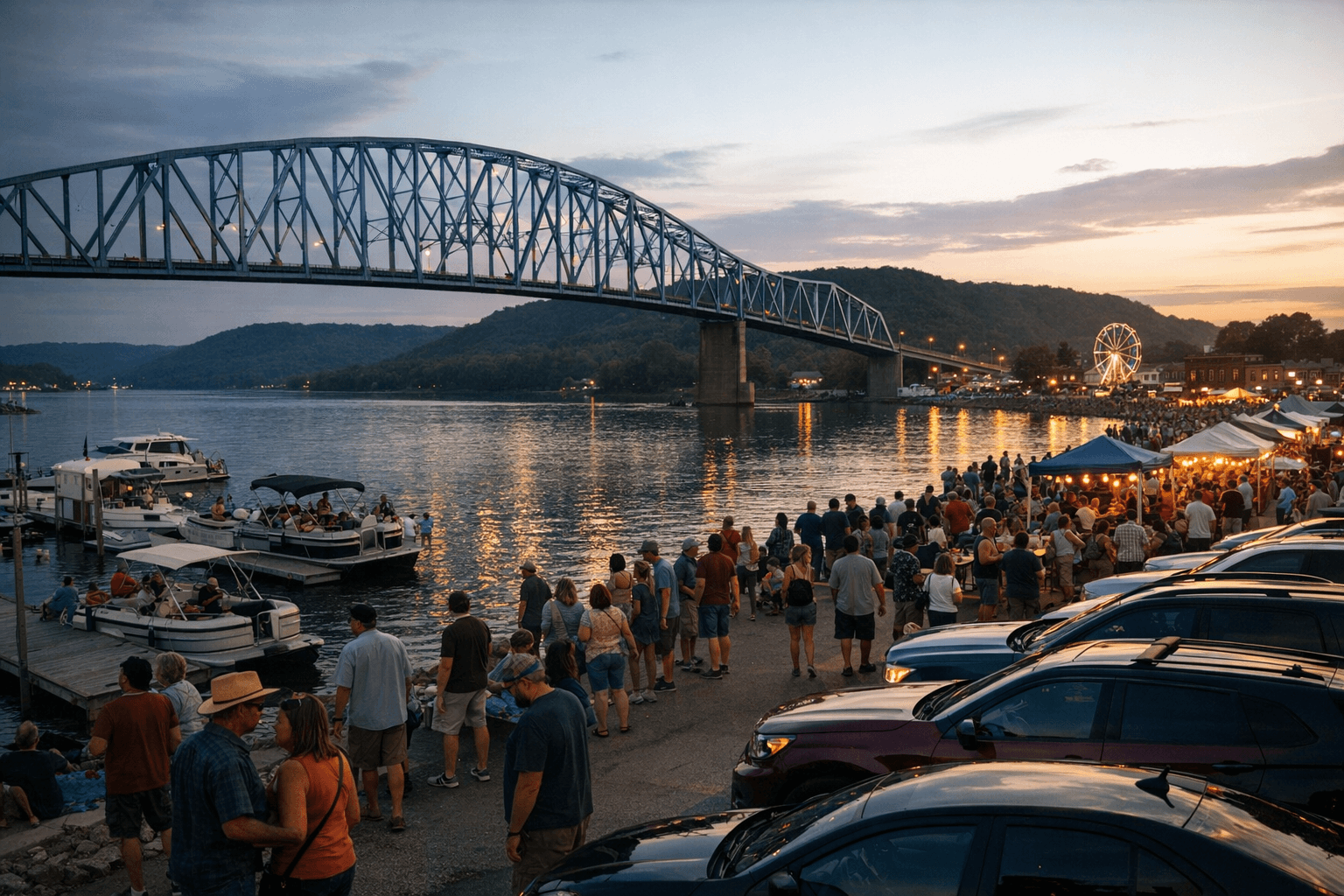
Long-term trends suggest the bridge will remain central to Tell City's efforts to grow tourism without sacrificing daily mobility. As riverfront programming matures, economic gains accumulate in downtown employment, sales-tax receipts, and small-business viability, but those gains depend on managing externalities such as parking congestion and delivery access. For residents, that means continued emphasis on planning choices that balance festival appeal with livability.
For the coming seasons, expect the Lincoln Trail Bridge to stay both a literal and figurative link between transportation and tourism in Perry County. Residents and business owners should watch local planning discussions for measures addressing parking, pedestrian safety, and river access, since those choices will shape how much economic benefit the bridge brings to Tell City's Main Street in years to come.
Sources:
Know something we missed? Have a correction or additional information?
Submit a Tip