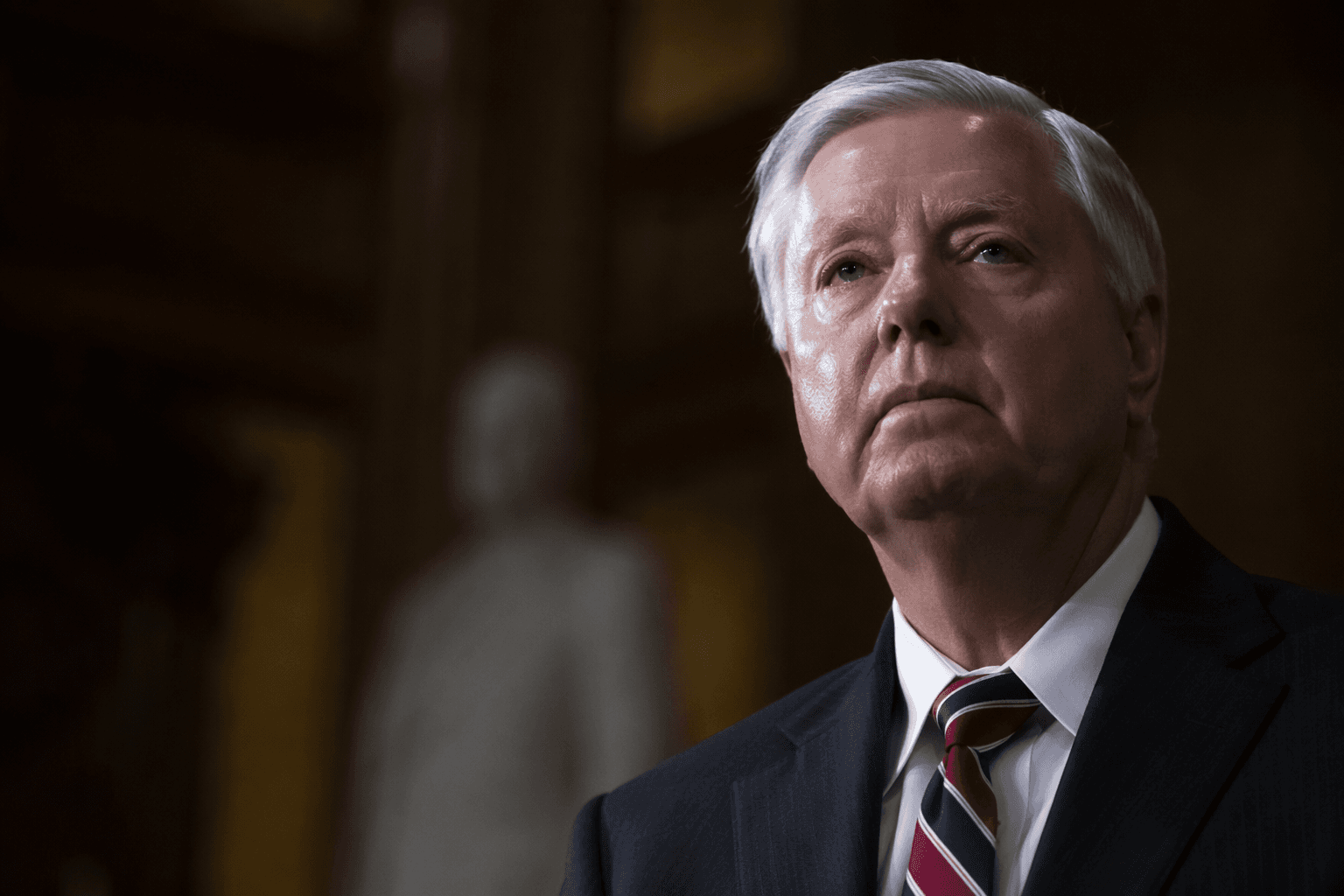
Lindsey Graham dies after career defined by shifting loyalties and foreign policy
Lindsey Graham’s death closed a career built on reinvention, from McCain-style hawk to Trump ally. His reversals on Trump and Ukraine exposed the pressures remaking the Republican Party.
Lindsey Graham, the four-term Republican senator from South Carolina who spent more than two decades as one of Washington’s most aggressive foreign-policy hawks, died on July 11, 2026 after a brief and sudden illness.
Graham’s Senate career, which began in 2003, tracked the Republican Party’s move from the older establishment style he shared with John McCain to the loyalty-first politics of Donald Trump. He backed a strong American military role abroad and was especially vocal on Russia, Israel and Iran, but his influence in the Trump era came as much from adaptation as from ideology.
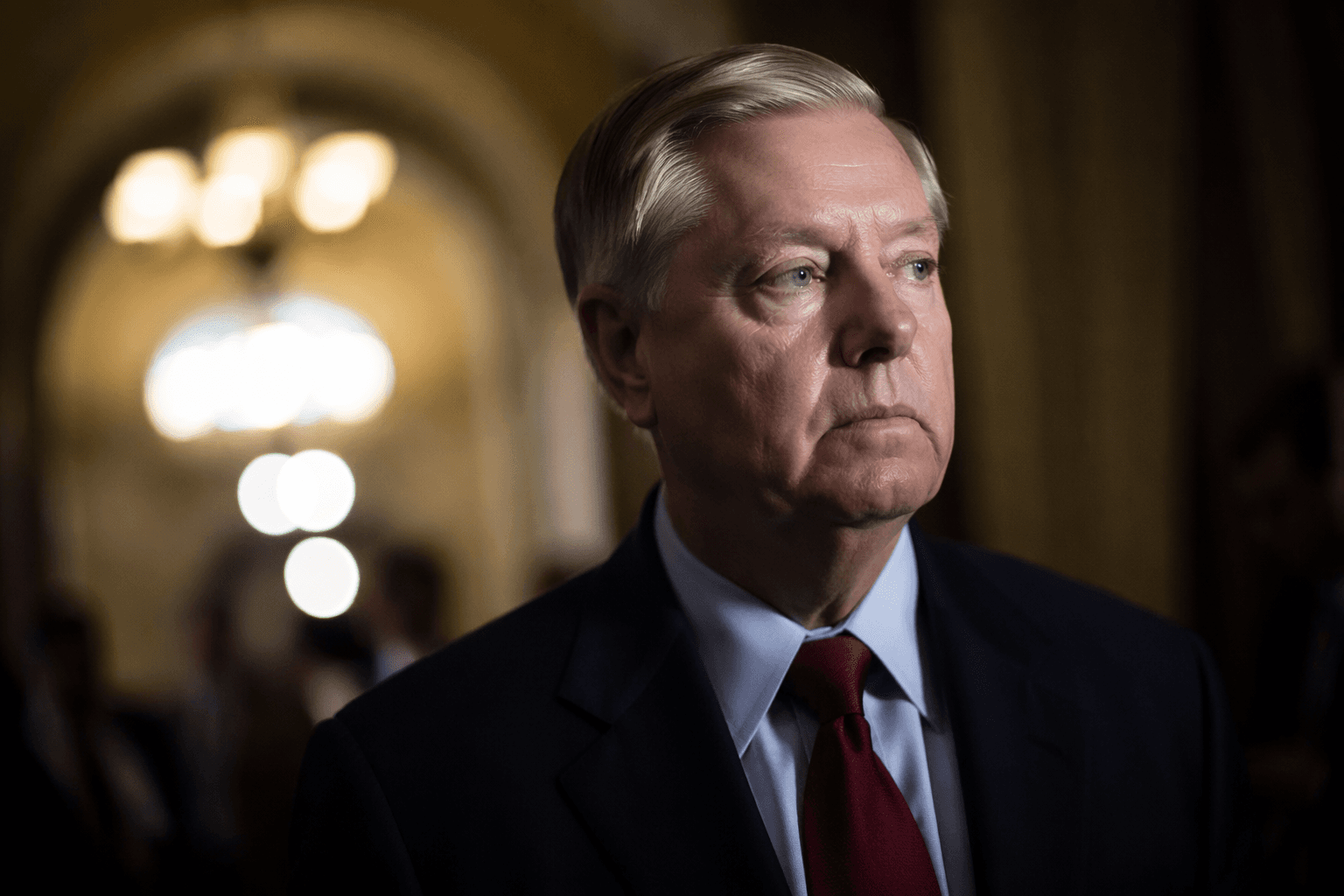
For years, Graham was one of McCain’s closest friends on Capitol Hill. In McCain’s Senate eulogy in August 2018, Graham said the Arizona senator had taught him lessons about choosing “what’s right at your own expense,” a line that captured the bipartisan, institutional Republicanism that once defined both men.
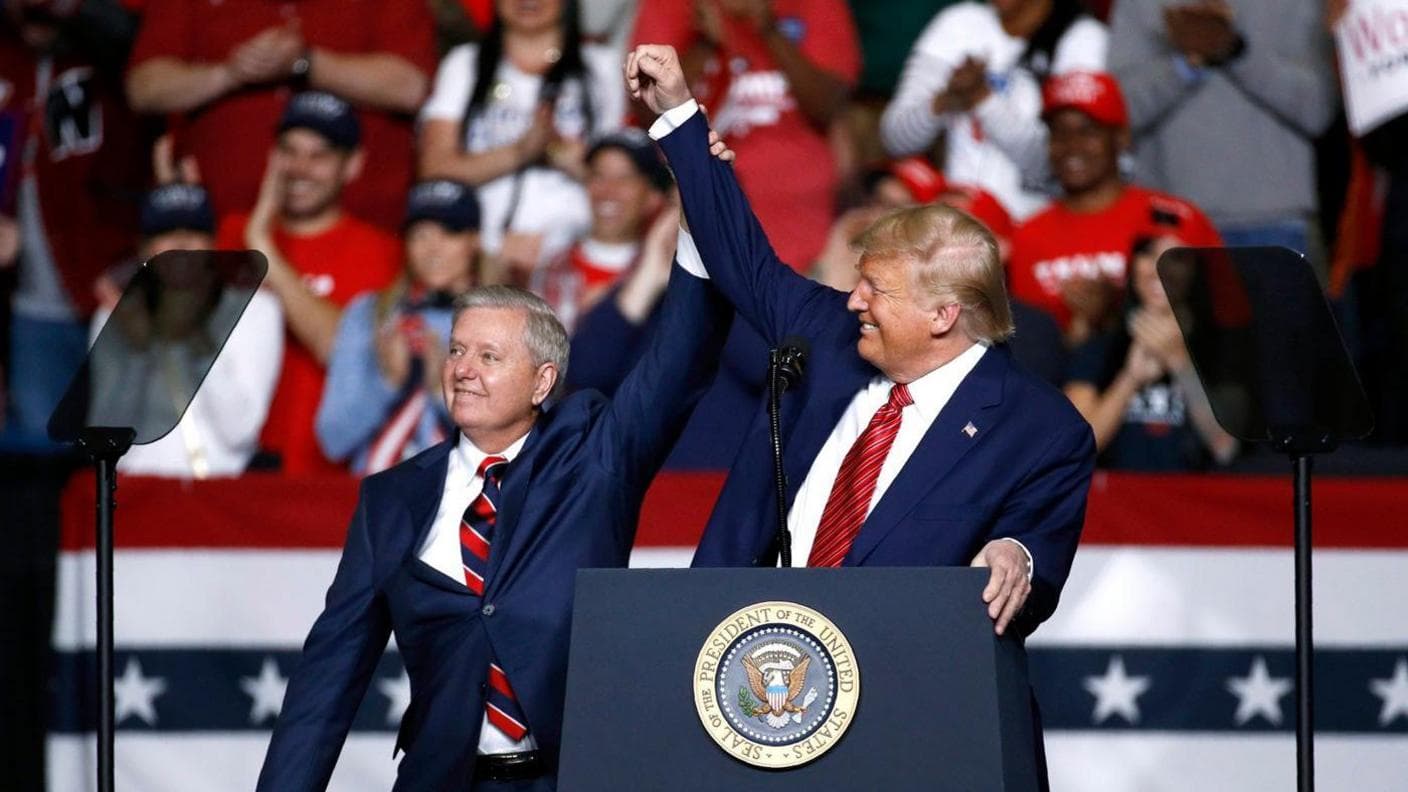
That version of Graham was hard to miss in 2016, when he was an outspoken critic of Trump during the presidential campaign. By 2017, after meeting Trump, he had become one of the president’s staunchest allies in the Senate, a turn that helped secure his political survival as the GOP remade itself around Trump’s grip on the party.
The relationship was not without rupture. After the Jan. 6, 2021 attack on the Capitol, Graham said “count me out” and declared the relationship over. The break did not last. He later returned to being one of Trump’s closest congressional allies and advisers, and Trump described him as “like a member of the family.”
Even in that role, Graham kept drawing fire from the MAGA wing of the party. In 2025, his trip to Ukraine infuriated parts of the movement, and his continued support for Kyiv kept him at odds with some of Trump’s most loyal supporters. Yet Graham remained a critical bridge between Trump and the Senate Republican caucus, a position that showed how far ideological flexibility could go in the modern party.
That balance was still intact on June 9, 2026, when Graham won the South Carolina Republican primary as the Trump-backed incumbent. The victory underscored his ability to accommodate a political order he had once resisted, then embraced, then tried to manage.
This article was produced by Prism’s automated news system from verified source data, official records, and press releases, then run through automated quality and moderation checks before publishing. The system is built and supervised by the people who set the standards it runs under. Read our full AI policy.
Did this article answer your question?