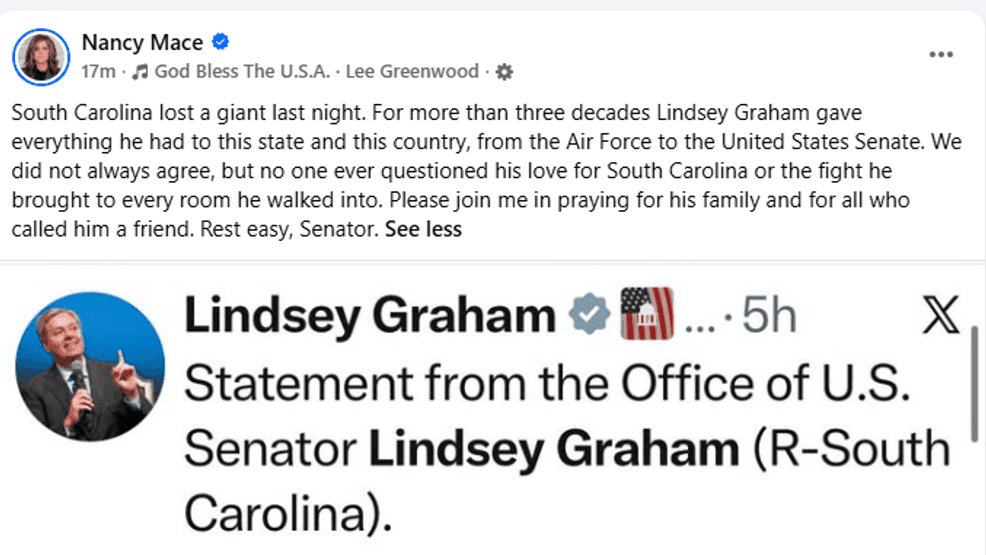
Lindsey Graham dies after pushing bipartisan Russia sanctions in Kyiv
After his tenth trip to Ukraine, Lindsey Graham died just as Washington moved his long-sought Russia sanctions bill forward.
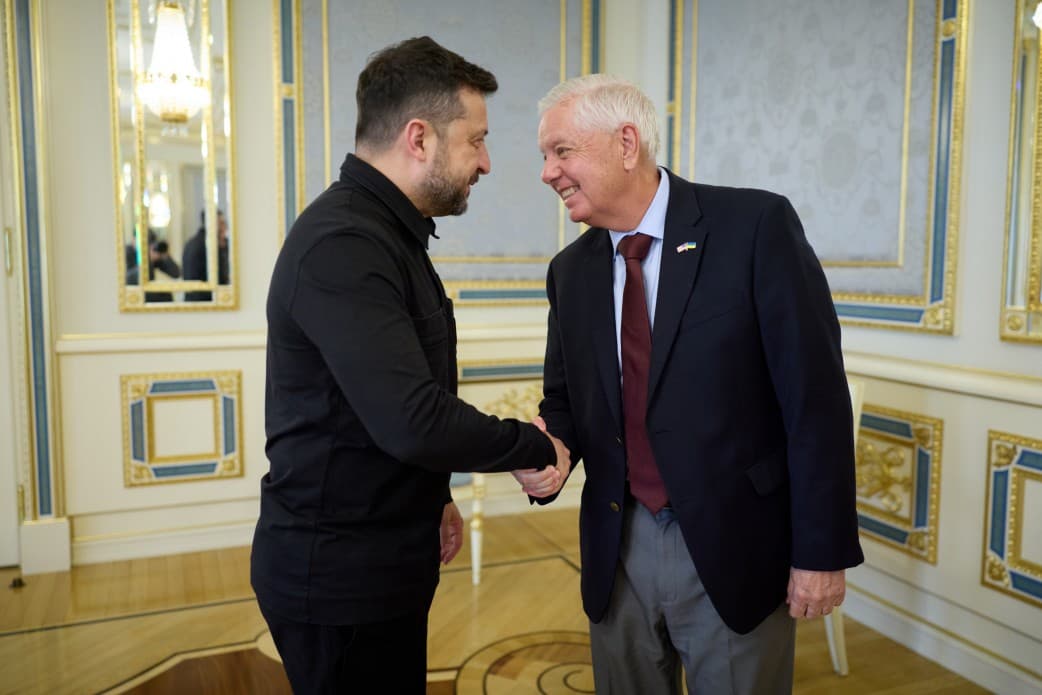
Lindsey Graham died Saturday at 71 after a brief and sudden illness just as he was pressing a bipartisan Russia sanctions bill from Kyiv, where he had met with Ukrainian President Volodymyr Zelenskyy and spoken twice by phone with Margaret Brennan a day earlier. The South Carolina Republican had just completed what was described as his tenth trip to the war zone, underscoring how central Ukraine remained to the final days of one of his signature foreign-policy campaigns.
Brennan said Graham told her the Trump White House had finally given him the green light for Congress to move the measure, which would impose major financial penalties on Russia by punishing buyers of Russian oil. Graham said Russian President Vladimir Putin was “saying one thing and doing another,” and argued that the sanctions would create leverage on China and India, which he called the two biggest purchasers of Russian fuel. He said earlier versions of the bill had drawn 85 signatories, and he singled out Sen. Richard Blumenthal as a key partner.
The push landed at a consequential moment for Republican foreign-policy debates in Washington. On July 10, Graham, Blumenthal, Jeanne Shaheen and Roger Wicker said they had reached an agreement with the Trump administration to move updated Russia sanctions legislation forward, a development that gave new life to a measure Graham had been carrying for months with bipartisan allies. Brennan said the effort echoed the work Graham had done with the late Sen. John McCain and Sen. Joe Lieberman, pairing hawkish Republicans and Democrats around a common line on Moscow.
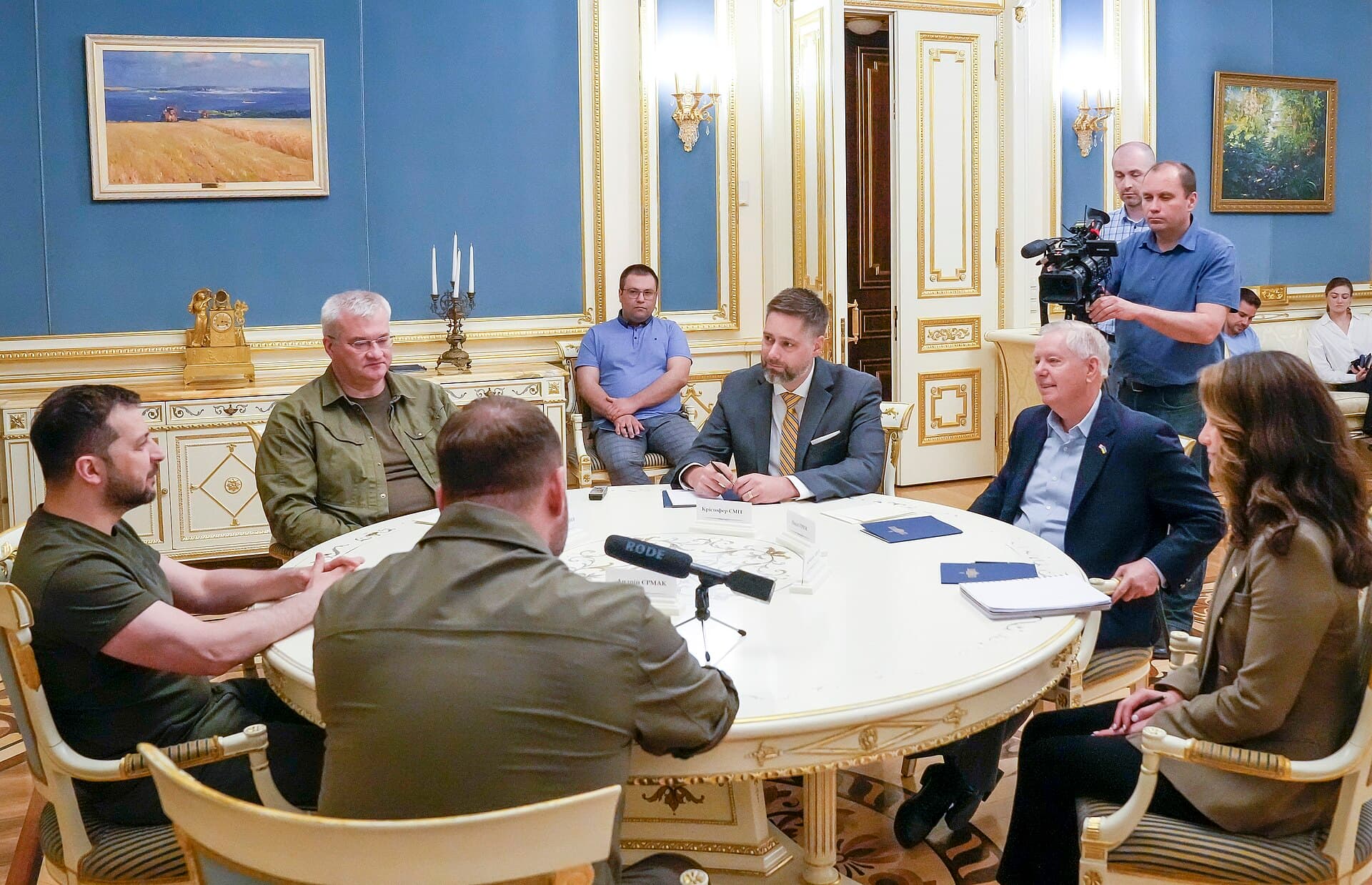
Graham’s final public comments kept Ukraine at the center of his political identity. CBS News later aired the transcript of that interview, and on June 21 he had appeared on Face the Nation with Brennan from Seneca, South Carolina, showing that the fight over Russia and Ukraine remained a priority even when he was back home. A year earlier, on July 13, 2025, Graham and Blumenthal had used the same program to discuss sanctions and tariffs on buyers of Russian oil, a sign that the idea he was pushing in Kyiv had been under construction for months.
Tributes began pouring in early Sunday. President Donald Trump said Graham was “like a member of the family,” and said in a Saturday call that Graham sounded tired but “sounded great, actually.” Vice President JD Vance praised Graham as someone who fought hard for what he believed in despite disagreements, while Senate Majority Leader John Thune said Graham’s influence on the federal judiciary, national defense and South Carolina would be felt for generations.
This article was produced by Prism’s automated news system from verified source data, official records, and press releases, then run through automated quality and moderation checks before publishing. The system is built and supervised by the people who set the standards it runs under. Read our full AI policy.
Did this article answer your question?