LIRR strike shuts down systemwide service, threatens Monday commute
North America’s largest commuter rail system stayed shut Sunday as 3,500 striking workers kept nearly 300,000 daily riders off the rails and Monday rush hour loomed.

Nearly 300,000 daily riders woke to a systemwide shutdown on Long Island Rail Road, with service still suspended Sunday and the MTA urging anyone who could to work from home before the Monday morning rush. The railroad’s contingency plan, built around limited shuttle buses and transfers to subway and NICE bus service, offered only partial relief for a commuter network that normally moves workers between Long Island, Penn Station, Grand Central Terminal and Atlantic Terminal.
The strike began just after midnight Saturday, after negotiations ended Friday night without a new contract. Five unions representing about half of the LIRR workforce, roughly 3,500 employees, walked off the job in a dispute that has paralyzed the busiest commuter rail system in North America. It is the first strike on the railroad since 1994, a break in operations that immediately raised the stakes for employers, commuters and traffic patterns across Long Island and New York City.
The disruption is especially severe because the LIRR is not a niche service but a daily lifeline. For workers who depend on the railroad to reach Manhattan, downtown Brooklyn and central Queens, the shutdown means sudden car trips, delayed starts or no viable trip at all. The MTA’s instructions to work remotely where possible point to the scale of the problem: when the railroad stops, the damage spreads quickly to offices, stores, campuses and the roads feeding the region.
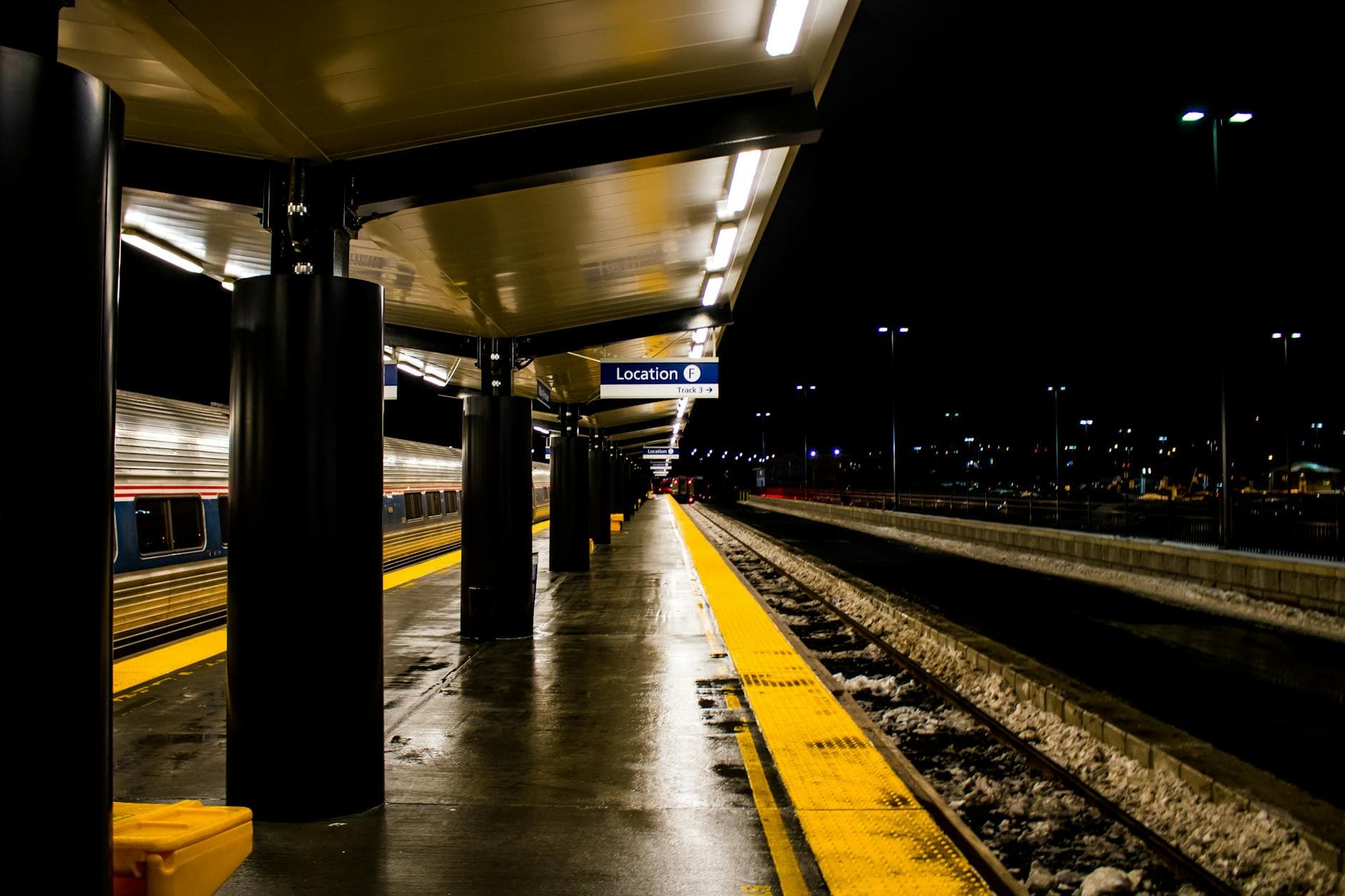
Union leaders and management both said talks were stalled as the strike entered its second day. The stalemate leaves riders caught between two sides that have not reached agreement on wages and contract terms, while the railroad’s normal flow of commuters remains frozen. The scale of the labor action matters. A walkout by half the workforce on a system that carries roughly 275,000 to nearly 300,000 people a day is enough to shut down the entire network, not just reduce service.
Gov. Kathy Hochul has tried to force movement by pressing both sides to resume talks. She has said the workers deserve fair pay, but also that any deal has to be responsible with public funds and with the fares paid by Long Island residents. That is the governor’s main leverage now: public pressure, political intervention and the weight of a shutdown that no rider can ignore. As Monday approaches, the railroad remains dark, and the region is preparing for the commute that never was.
This article was produced by Prism’s automated news system from verified source data, official records, and press releases, then run through automated quality and moderation checks before publishing. The system is built and supervised by the people who set the standards it runs under. Read our full AI policy.
Did this article answer your question?

