LIRR strike threat looms after contract talks fail for 3,500 workers
New York's busiest commuter railroad shut down after talks collapsed, putting 301,000 weekday riders onto limited shuttles and packed backups.
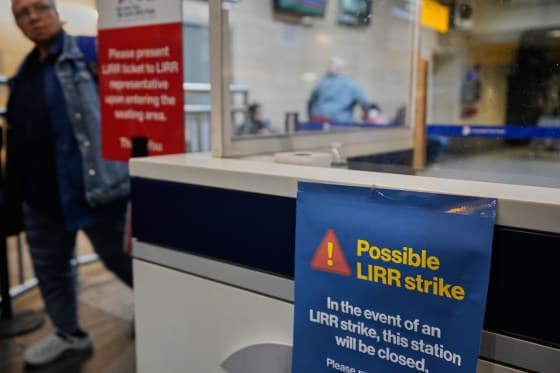
The first Long Island Rail Road strike in more than 30 years shut down the busiest commuter railroad in North America, a system that carries about 301,000 riders a weekday on 735 daily trains across Long Island, Queens and Manhattan. For a region still leaning hard on rail, the outage hit far beyond a single commuter line. The MTA said there was no substitute for the railroad and warned of severe congestion and delays as riders were pushed onto a transit network that was already near capacity.
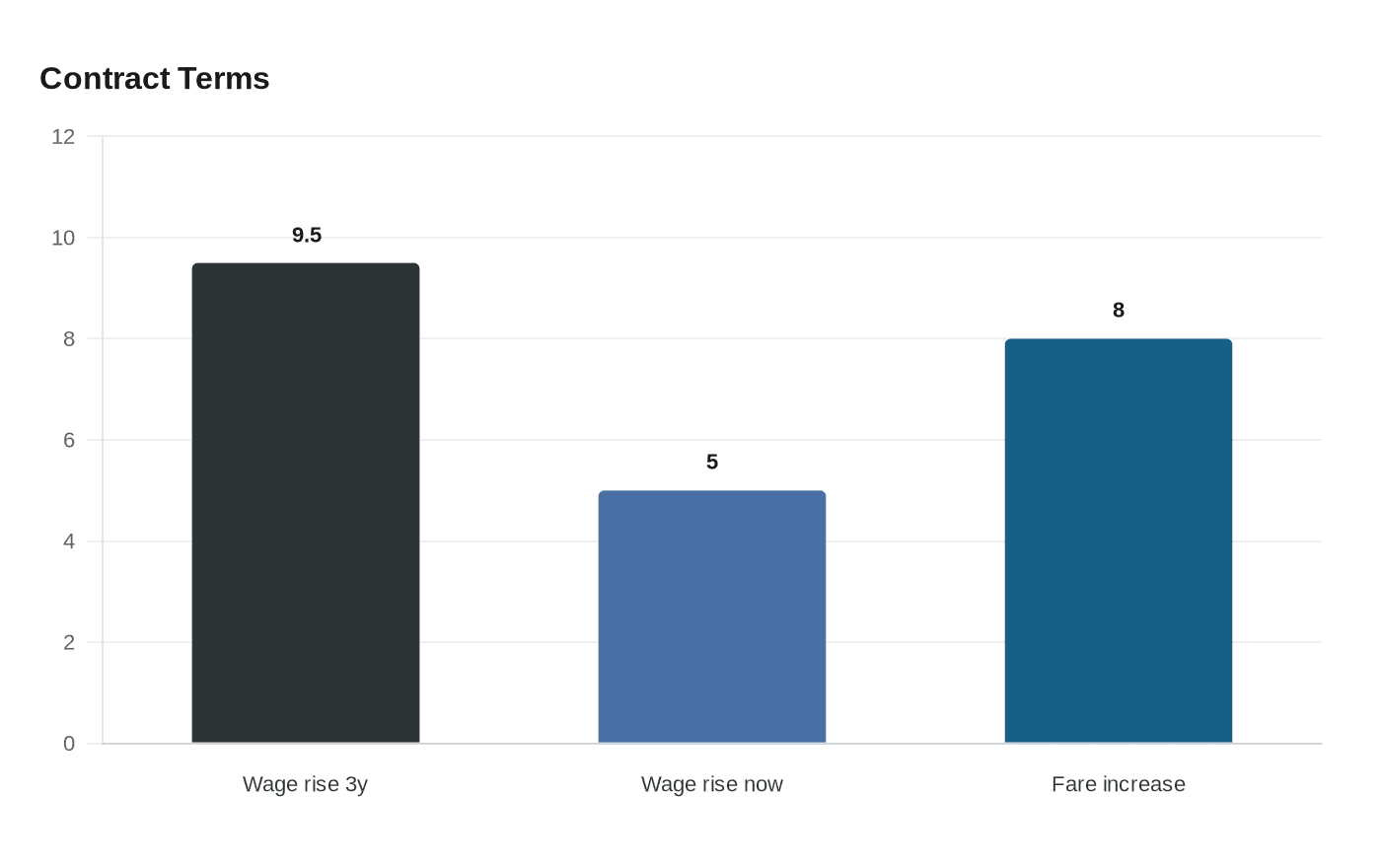
The walkout came after the five LIRR unions and the Metropolitan Transportation Authority spent years locked in a contract fight over wages and penalty pay. The union side, representing about 3,500 workers including engineers, signalmen and trainmen, sought a retroactive 9.5% wage increase for the past three years plus another 5% starting this year. The MTA countered that meeting those terms could drive fare increases as high as 8% and said the conflict centered on costly work rules, including extra penalty pay for engineers who operate both electric and diesel trains in one day. White House-appointed mediators had said there was no indication the agency could not afford the proposed increases, underscoring how much of the dispute was about who should absorb the cost.
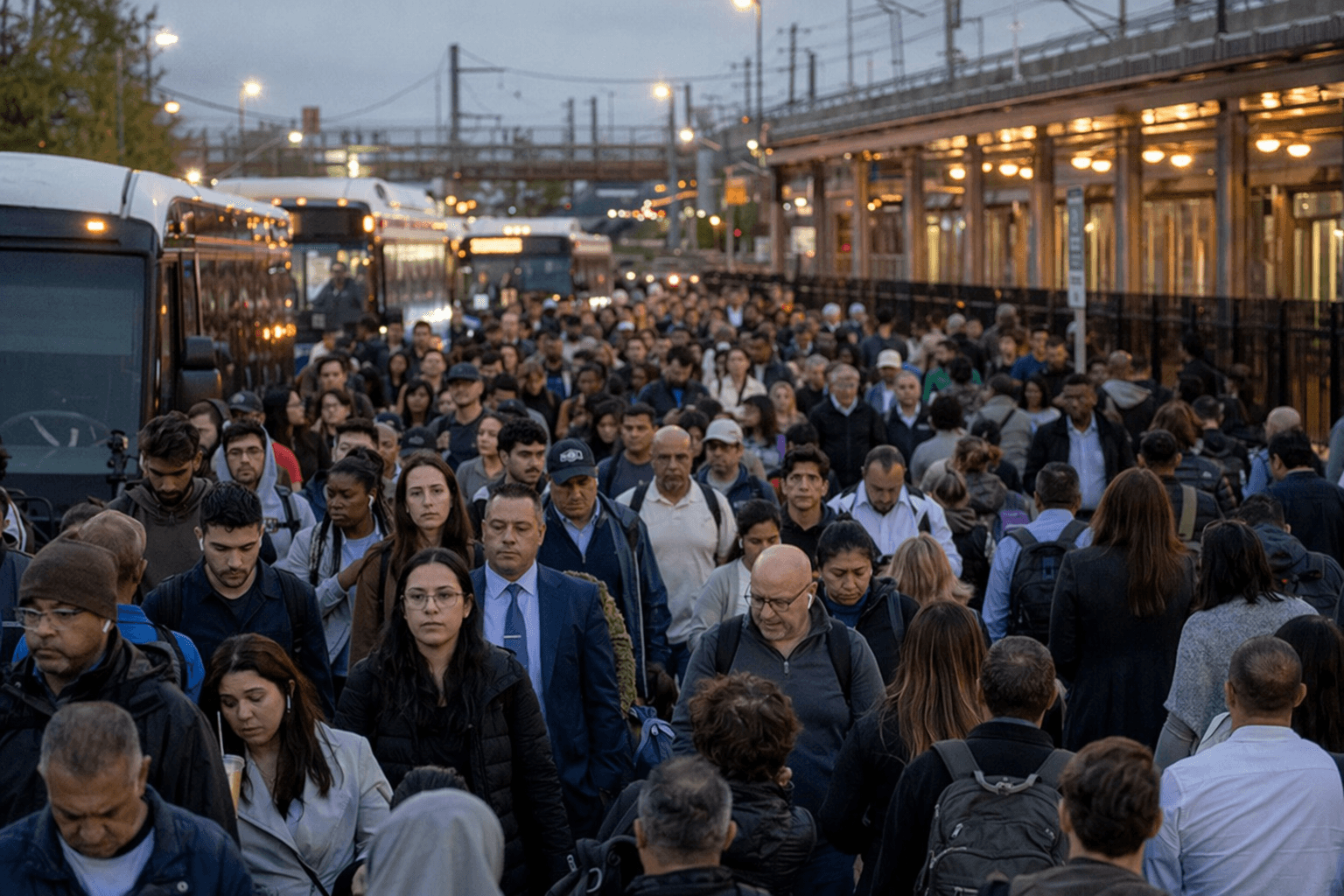
The labor fight also landed at a moment when the railroad’s recovery had become a symbol of the region’s dependence on mass transit. The LIRR finished 2025 with 82.0 million customers, about 90% of pre-COVID 2019 ridership, and the MTA had spent the year pointing to strong weekday recovery and improved service performance. That rebound made the strike more than a commuter headache: it tested whether post-pandemic transit labor relations could hold together when riders were back, budgets were tight and a transit agency serving a 5,000-square-mile region around New York City was being asked to pay more without passing the bill to the public.
For riders who could not stay home, the MTA rolled out limited weekday shuttle buses for essential workers and others unable to telecommute. The buses ran in peak periods, from Long Island points including Bay Shore, Hempstead Lake State Park near Lakeview, Hicksville, Mineola, Huntington and Ronkonkoma to transfer stations in Queens, including Howard Beach-JFK Airport and Jamaica-179 St. The agency said there was no charge for the shuttle service, but also urged riders to tap and ride for subway and bus transfers and to work from home if possible, a warning that captured the breadth of the disruption now hanging over one of the country’s most important commuter corridors.
Know something we missed? Have a correction or additional information?
Submit a Tip
