LIRR workers strike, halting New York's busiest commuter rail line
3,500 workers walked off the Long Island Rail Road, suspending service for nearly 300,000 daily riders and triggering weekend chaos. The dispute now hinges on the final year of a four-year contract.
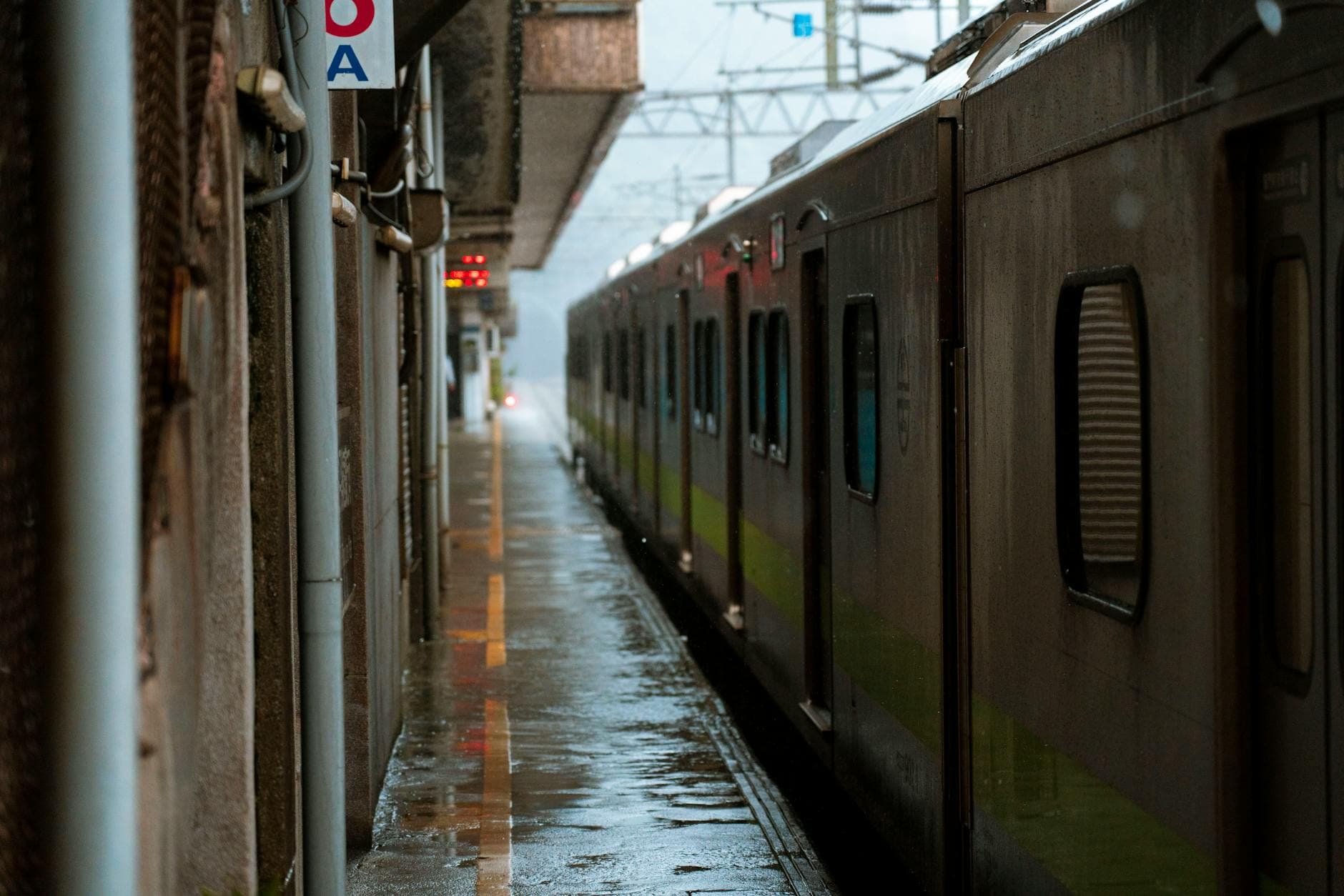
Hundreds of thousands of commuters were left scrambling as 3,500 Long Island Rail Road workers went on strike at 12:01 a.m. Saturday, suspending service systemwide on the busiest commuter railroad in North America. The shutdown landed just before Memorial Day weekend, with no rail substitute for the roughly 300,000 passengers who ride the LIRR each day.
The Metropolitan Transportation Authority said limited shuttle buses would run on weekdays for essential workers and for people who could not telecommute, but the agency warned that remote work was the best option for anyone who could avoid traveling. Picketing was set to begin at 7 a.m. at Penn Station and Ronkonkoma Station, underscoring how quickly the dispute spread from the bargaining table to the region’s busiest transit corridors.
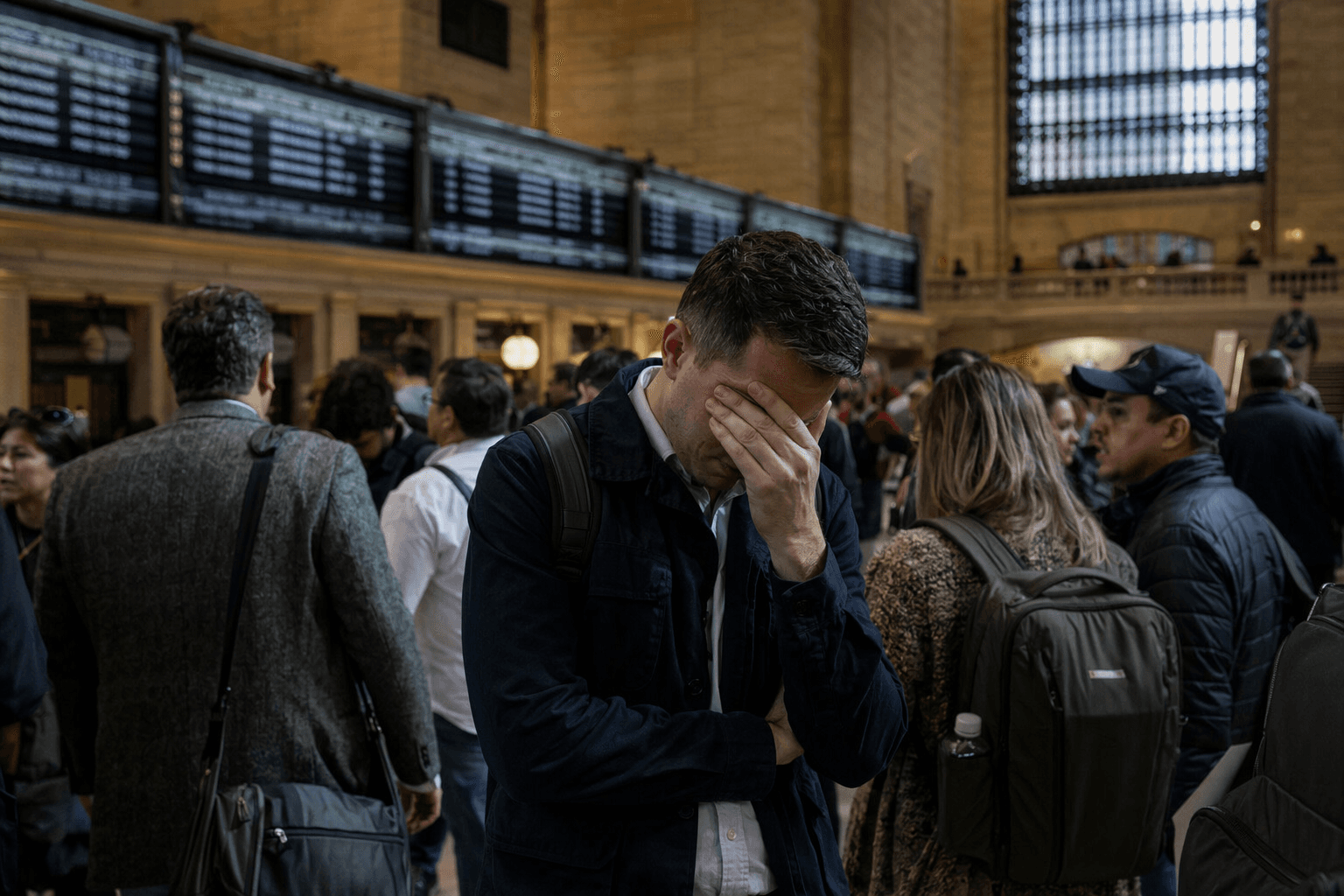
The strike grew out of a fight over the final year of a new four-year contract. The MTA and the unions had already agreed to the first three years, but the two sides split over the last year’s wage terms. The MTA said it had offered a 3% general wage increase for 2026, while the coalition of five unions sought 5% for that year. Union leaders said workers had gone three years without raises during bargaining and argued that the remaining gap was roughly 1 percentage point, a difference they tied to inflation and Long Island’s high cost of living.
MTA Chair and CEO Janno Lieber said the board could not responsibly approve a deal that would “implode” the budget. The authority argued that paying above its target would strain the MTA, state and city budgets, and said any agreement without work-rule changes could force higher fares, more taxes, service cuts or headcount reductions. Governor Kathy Hochul urged both sides back to the table, but the coalition said no further contract talks were scheduled and that management had helped provoke the walkout.
The work stoppage was the first strike on the LIRR in 32 years, dating to 1994, and it threatened to ripple through New York’s labor market and holiday travel plans almost immediately. The five unions in the coalition were the Brotherhood of Locomotive Engineers and Trainmen, Brotherhood of Railroad Signalmen, International Association of Machinists and Aerospace Workers, International Brotherhood of Electrical Workers and Transportation Communications Union. With trains halted and the fourth-year terms unresolved, the region’s largest commuter rail line entered a shutdown with no quick end in sight.
This article was produced by Prism’s automated news system from verified source data, official records, and press releases, then run through automated quality and moderation checks before publishing. The system is built and supervised by the people who set the standards it runs under. Read our full AI policy.
Did this article answer your question?

