Graduation season turns contentious as schools rethink commencement speakers
Rutgers and Utah Valley dropped commencement speakers after backlash, a sign that the 2026 graduating class is as anxious about controversy as it is about ceremony.
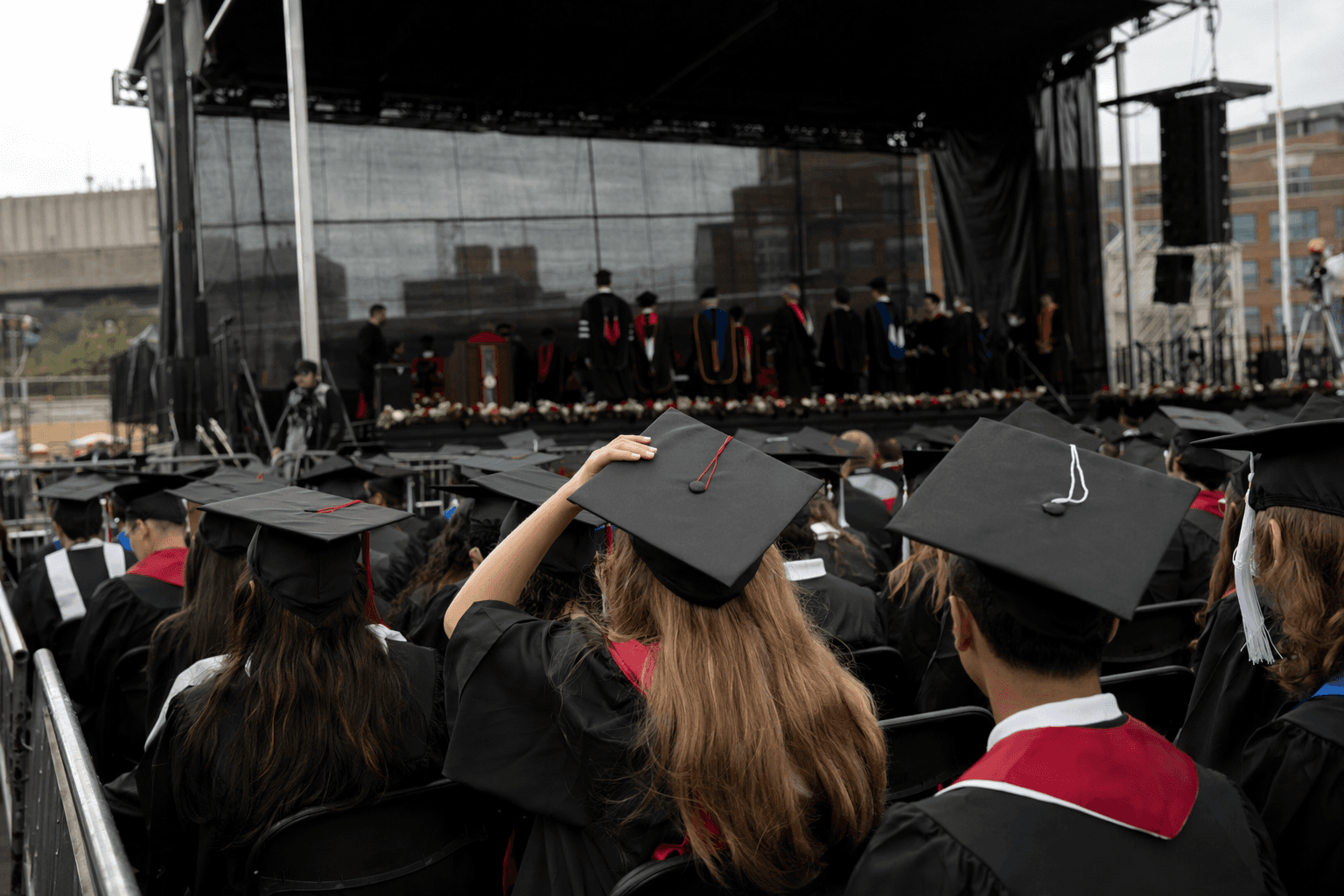
Graduation season has become a referendum on who gets to speak to a class stepping into a tighter, more uncertain economy. Rutgers University withdrew a planned graduation address by business leader Rami Elghandour after students objected to his criticism of Israel on social media, and Utah Valley University said it would proceed without a featured commencement speaker after criticism of its selection of Sharon McMahon raised safety concerns.
The disputes put a sharper edge on a ritual that usually promises reassurance. Inside Higher Ed said Rutgers, Utah Valley University and South Carolina State University all faced commencement-speaker controversies in 2026, a reminder that the message on stage can now matter as much as the diploma in hand. For schools, the risk is not just embarrassment. It is the possibility that a ceremony meant to signal unity becomes a flashpoint over politics, public statements and institutional judgment.

That tension is unfolding during the busiest stretch of the academic calendar. Graduation season in the United States typically runs through May and June, and universities are holding ceremonies for thousands of students who are trying to bridge the gap between the symbolism of commencement and the realities of adult life. The question for many graduates is not only what advice they will hear, but whether the ceremony can still speak credibly to a class facing debt, job-market uncertainty and delayed milestones that have pushed adulthood further out of reach.
The speeches themselves have always been part inspiration, part historical record. NPR’s commencement archive goes back to 1774 and now includes more than 300 speeches, a long-running record of how each era explains success, citizenship and responsibility to its newest graduates. At MIT, that tradition still takes the form of a formal “charge” to the class. In 2025, Massachusetts Institute of Technology president Sally Kornbluth delivered remarks to the Class of 2025, underscoring the school’s emphasis on disagreement and collective responsibility.
This year, the scale of commencement only makes the scrutiny more visible. The University of Southern California said its 2026 commencement week ran May 13-16 and would confer more than 18,000 degrees across more than 100 events in Los Angeles. Across campuses, the choreography is still the same: applause, robes, and a speaker meant to distill a generation’s hopes into a few minutes. What has changed is the audience’s appetite for challenge, not just celebration, as schools try to match ceremonial optimism with a graduating class that knows the economy is not waiting politely at the edge of the stage.
This article was produced by Prism’s automated news system from verified source data, official records, and press releases, then run through automated quality and moderation checks before publishing. The system is built and supervised by the people who set the standards it runs under. Read our full AI policy.
Did this article answer your question?

