Selective colleges expand rural outreach with help from $20 million grant
A $20 million gift helped selective colleges reach rural students, but many still fall off before enrollment, burdened by cost, distance and family ties.

A $20 million gift from a Missouri-born University of Chicago trustee has helped some of the country’s most selective colleges recruit more rural students, but the sharper test comes after the applications go in: whether those students can afford to enroll, stay and graduate.
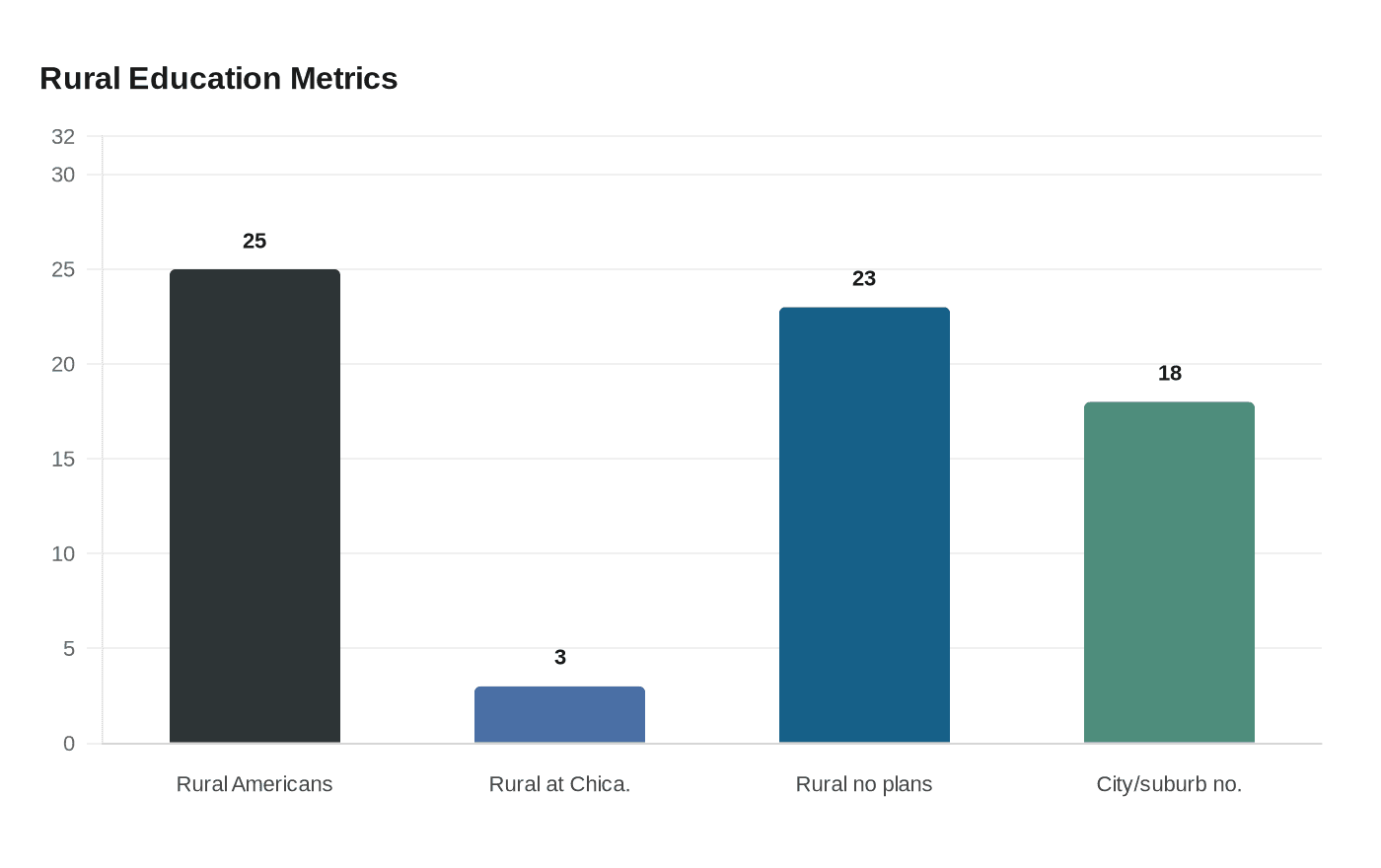
Byron Trott, who grew up in a rural setting, said he was struck by a stark imbalance. Nearly a quarter of Americans live in rural areas, yet only about 3% of students at his alma mater came from rural backgrounds. That led to the launch of the STARS College Network in 2023, a consortium that has since grown from 16 institutions to 32 colleges and universities and says its mission is to help students from small-town and rural America enroll in, succeed at and graduate from college.

The outreach has been broad. STARS said its inaugural year opened doors to higher education for more than a quarter-million students. Other reporting on the network says it visited 1,100 rural high schools in 49 states and reached more than 700,000 rural students with information and support. The group offers free in-person and virtual resources, including campus visits, college application help and scholarship-related guidance.
The recruitment push reflects a basic access problem: many selective colleges have long bypassed rural high schools, leaving students with fewer college ads, fewer campus visits and less exposure to admissions staff. Even when the message gets through, the last mile is steep. Rural students often have to weigh travel costs, patchy internet access, transportation hurdles and family responsibilities that can make moving far from home a harder decision than it looks on paper.
The numbers show why colleges see room to improve. Data from the National Center for Education Statistics show rural students graduate high school at roughly the same rate as their urban peers, but they are only about half as likely to graduate from a selective college or university. NCES also found that in 2013, 23% of fall 2009 ninth-graders from rural high schools said they neither took nor planned to take postsecondary classes, compared with 18% of students from cities and suburbs. Separate reporting has put the share of rural high school graduates who go directly to college at about 55%.
Some campuses are seeing gains. The University of Chicago says enrollment of students from small towns and rural communities has grown more than 80% since 2018, with much of that growth tied to its Emerging Rural Leaders II Program, a weeklong enrichment program for rural and small-town high school seniors. The university says those students bring valuable perspectives to campus, but also acknowledges that geographic isolation can create social, economic and cultural barriers. For selective colleges, the recruiting story is only the first win; the harder work is making sure rural students can cross the finish line.
This article was produced by Prism’s automated news system from verified source data, official records, and press releases, then run through automated quality and moderation checks before publishing. The system is built and supervised by the people who set the standards it runs under. Read our full AI policy.
Did this article answer your question?