Long Island Rail Road strike shuts down nation's busiest commuter line
Nearly 300,000 daily riders were stranded as 3,500 LIRR workers walked off the job, suspending the busiest commuter rail line in North America.
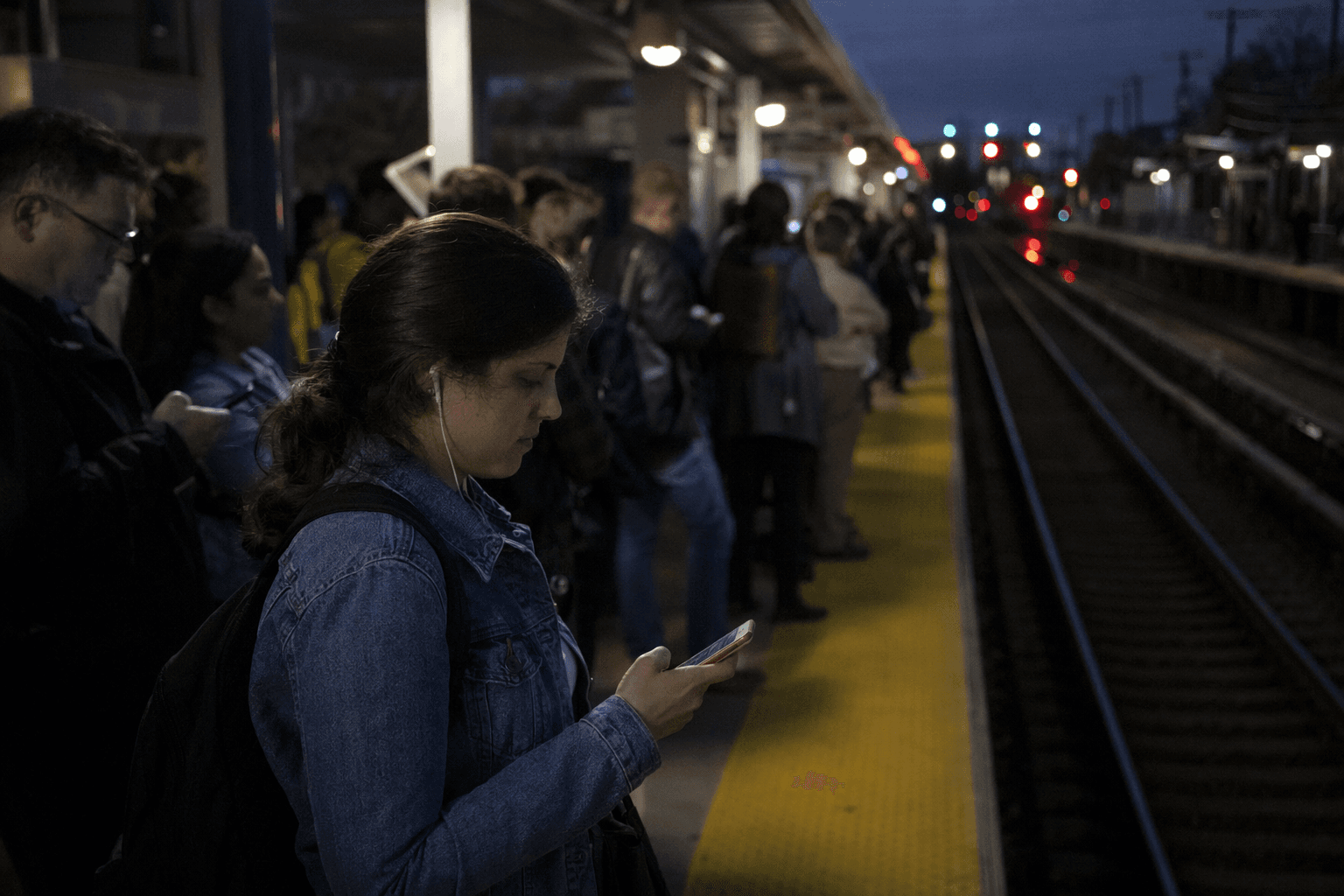
About 3,500 Long Island Rail Road workers in five unions walked off the job just after midnight Saturday, shutting down a railroad that carries roughly 270,000 to 300,000 passengers a day and sending one of the region’s biggest commuter arteries into its first strike since 1994.
The Metropolitan Transportation Authority said LIRR service was suspended systemwide, a disruption that hit workers, students and businesses across Long Island, Queens and New York City. The MTA urged commuters to work from home if possible and rolled out contingency travel plans that relied on shuttle buses and alternate connections, including service to Jamaica and subway links. Even with those measures, Governor Kathy Hochul said the railroad was essential and that the bus backup would not come close to handling all riders.
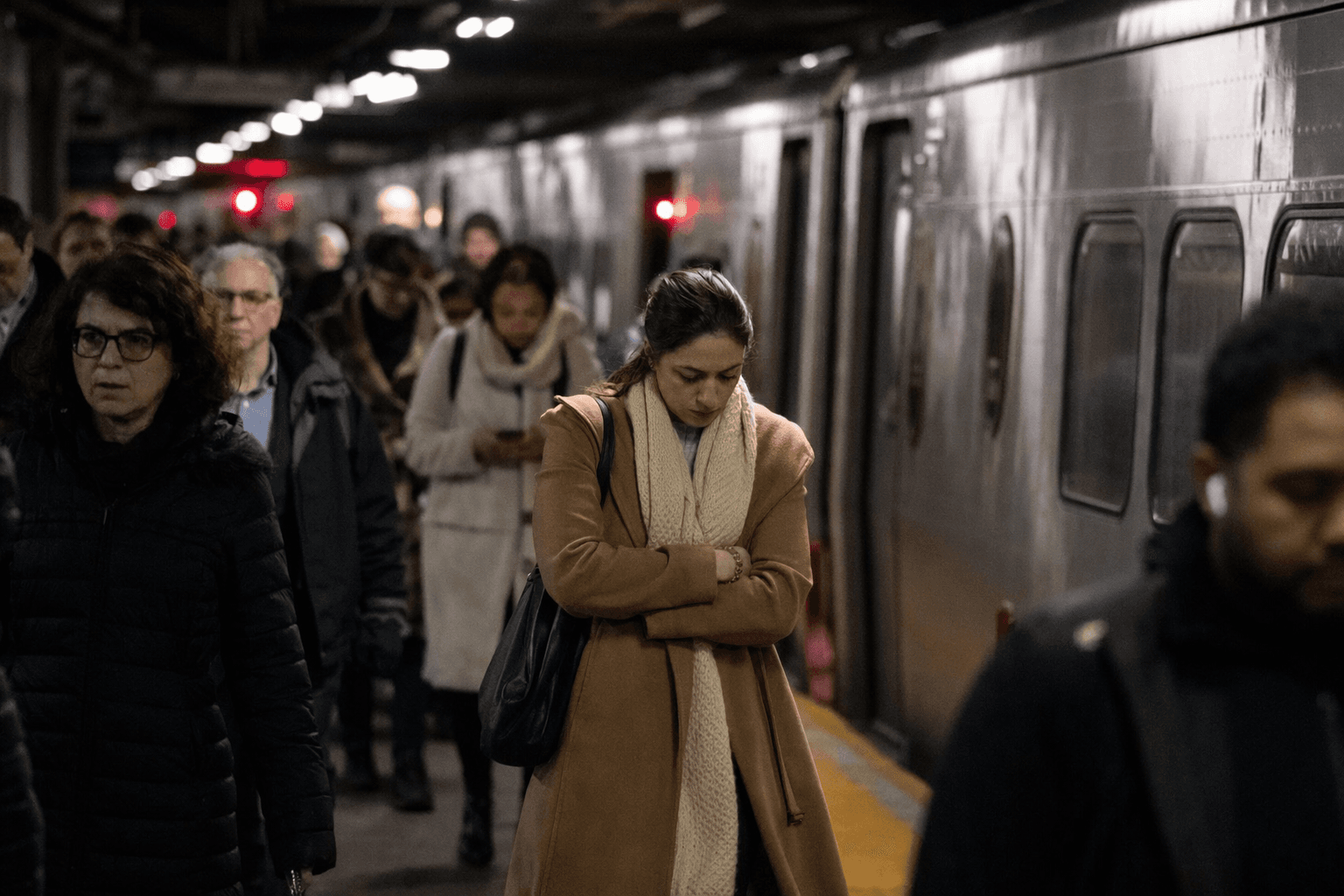
The shutdown was immediate and broad, cutting off regular service to major commuter points including Penn Station, Ronkonkoma and Huntington. For the hundreds of thousands who depend on the railroad each weekday, the loss of trains meant longer trips, packed alternate transit and added traffic on roads already strained by the morning rush.
The labor dispute has centered on a new four-year contract. Reporting indicated the two sides had reached agreement on the first three years but remained divided on the final year, with wages at the heart of the fight. The coalition of five unions includes workers such as locomotive engineers, signalmen, machinists, electrical workers and other railroad staff. The unions involved were the Brotherhood of Locomotive Engineers and Trainmen, Transportation Communications Union, Brotherhood of Railroad Signalmen, International Association of Machinists and Aerospace Workers and the International Brotherhood of Electrical Workers.
The strike revived memories of the last LIRR shutdown, which began on June 17, 1994 and lasted three days after negotiations broke down over pay rates and work rules. That stoppage came after roughly two and a half years without a contract. This time, the strike again froze service on the nation’s busiest commuter railroad, underscoring how quickly a labor dispute at the LIRR can spill into a regional transportation and economic crisis.
Getting trains running again will require a contract settlement that closes the remaining gap between labor and management. Until then, shuttle buses and subway connections can only absorb a fraction of the usual load, leaving the MTA’s largest commuter line dark and the region’s daily routine thrown off course.
Know something we missed? Have a correction or additional information?
Submit a Tip