Little Caesars tests pizza drone delivery in Wylie, Texas
Little Caesars’ first drone-delivery site went live in Wylie, where a Flytrex Sky2 can drop off two large pizzas in about 4.5 minutes.
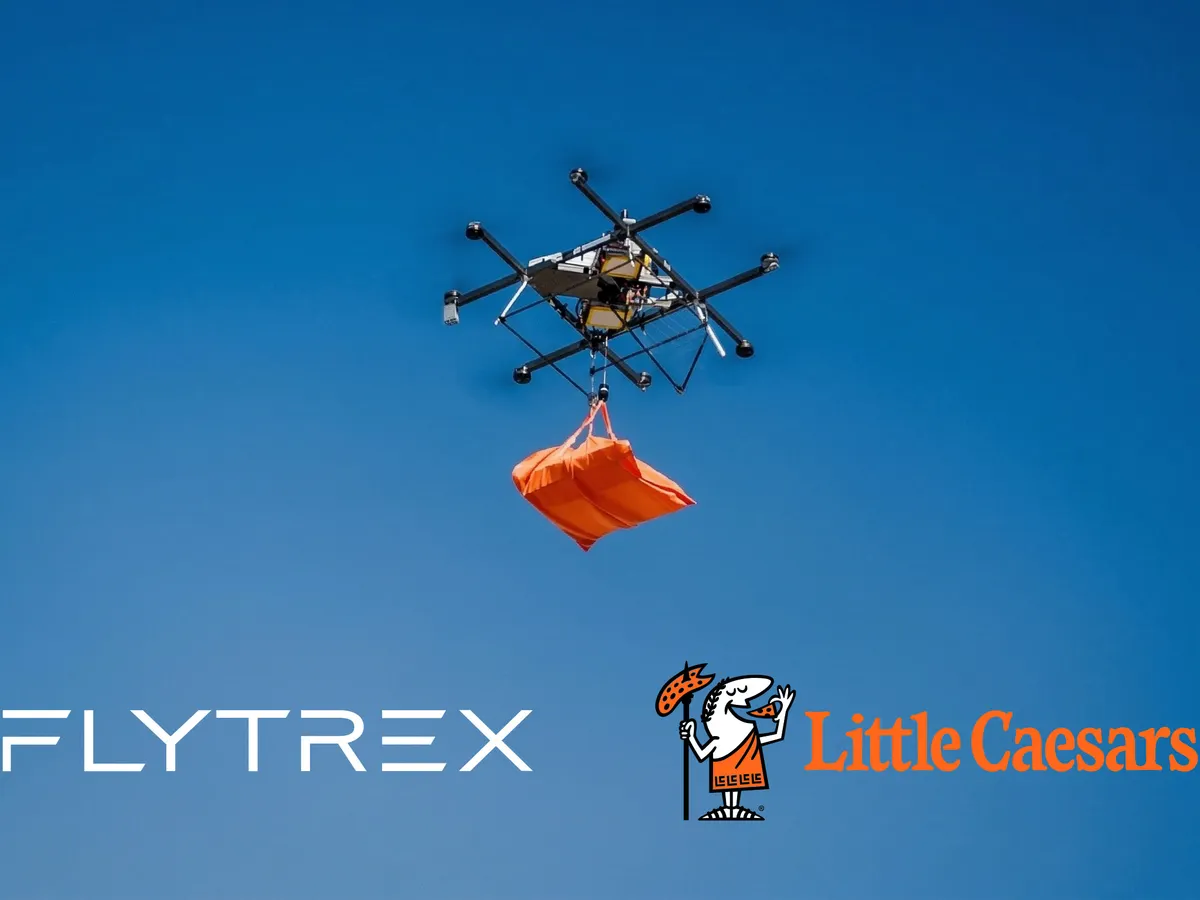
Little Caesars has put its first drone-delivery location in Wylie, Texas, turning a Dallas-Fort Worth suburb into a test case for whether pizza can move by air faster than a car can thread through neighborhood traffic.
The rollout uses Flytrex’s new Sky2 drone, which the company says can carry up to 8.8 pounds, enough for two large pizzas plus drinks and sides in a single trip. Flytrex says the drone can fly up to four miles and deliver in about 4.5 minutes from takeoff to drop-off, a timing that makes the experiment less about novelty than about whether aerial last-mile delivery can shorten waits in a suburban market where short errands often become long drives.
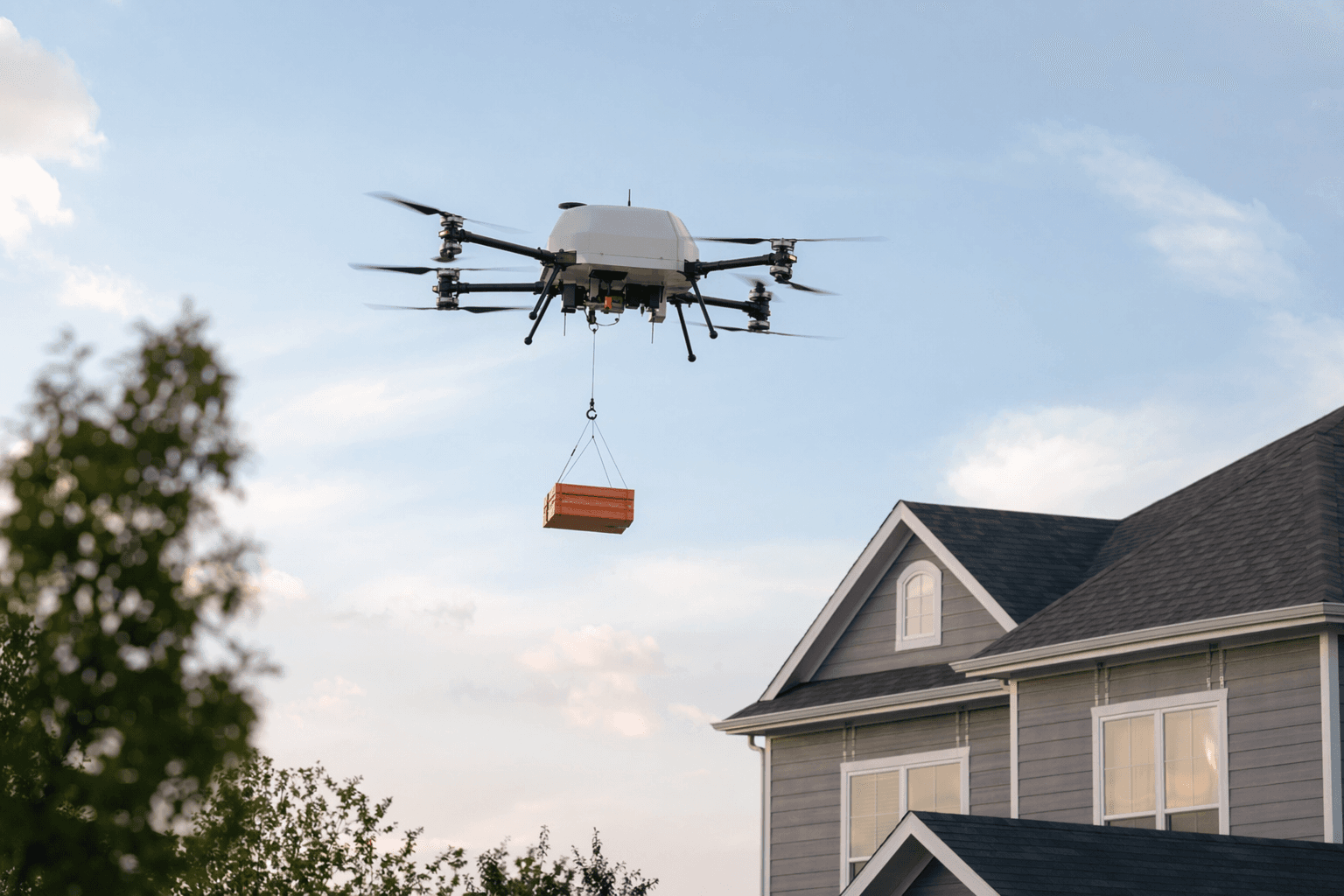
The Wylie launch also ties the drone directly into Little Caesars’ ordering system, with orders placed through the Flytrex app flowing into the restaurant’s existing point-of-sale system. Flytrex said the Wylie store is its first direct Little Caesars integration, a sign that the company is trying to make drone delivery function like a normal fulfillment channel instead of a standalone stunt.
That matters for cost and labor. If the system can reliably move family-sized orders without a driver taking the wheel, it could trim the last-mile portion of a delivery run, which is usually the most expensive and time-sensitive part of the transaction. But the model still depends on a restaurant preparing the food, loading the drone and managing a tightly defined service area. The economics will hinge on how often the drone can fly, how many orders fit within its payload and range, and how often weather or neighborhood restrictions interrupt service.
Flytrex said the system is built for autonomous delivery with octocopter redundancy, dual batteries and centimeter-level navigation. Those details point to the real limits of the pilot: regulation, weather and geography. Drone delivery works best where the airspace is manageable, rooftops and trees do not interfere, and conditions stay favorable enough for repeated flights. Dense urban cores and storm-prone days can quickly erase the time advantage.
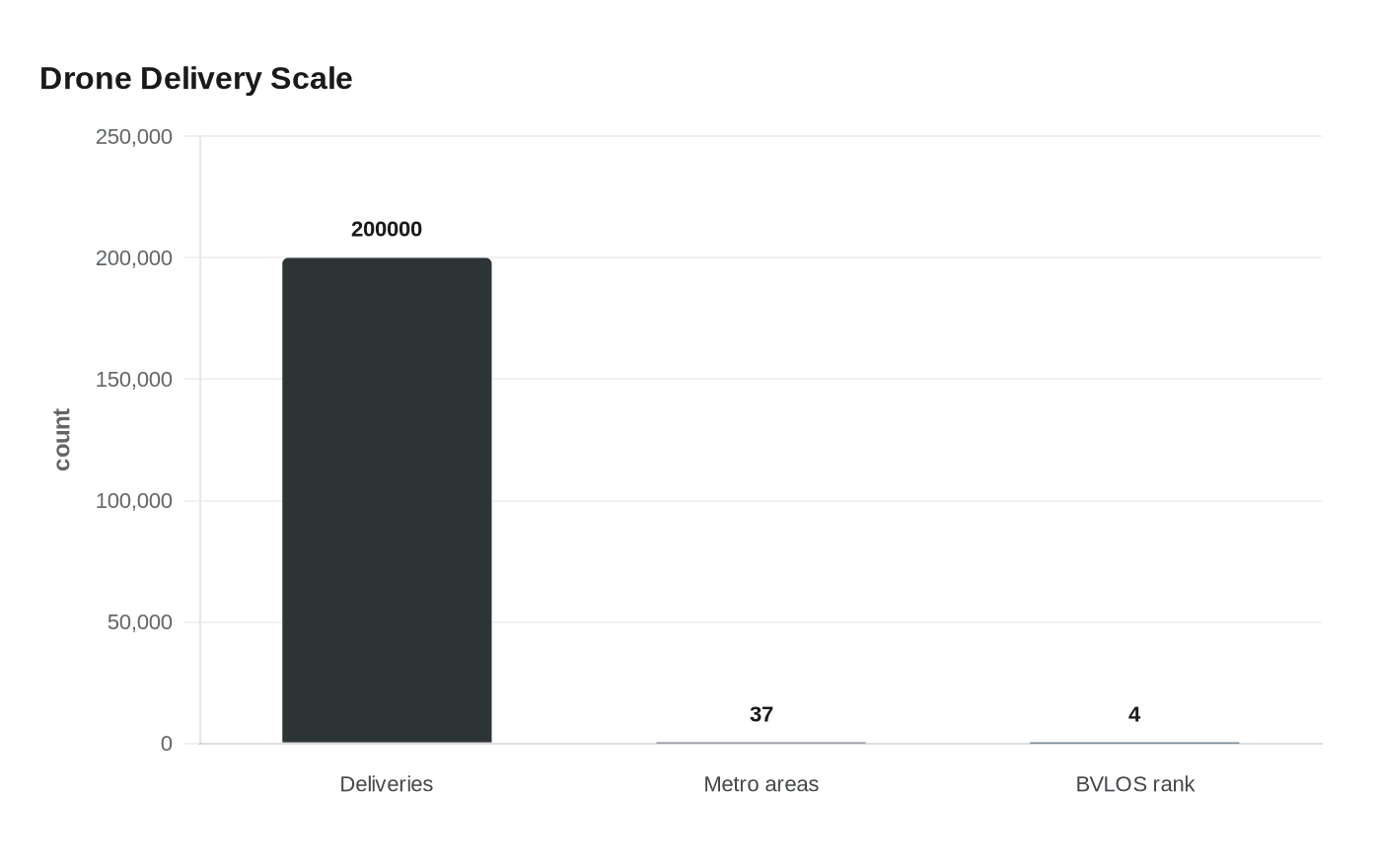
The company has already completed more than 200,000 deliveries worldwide, and the Wylie Economic Development Corporation said Flytrex had been operating in North Texas and earlier Texas markets including Granbury and Little Elm. Flytrex received Federal Aviation Administration approval for beyond-visual-line-of-sight operations in August 2025, which it said made it only the fourth drone delivery provider authorized for BVLOS operations in the United States and positioned it to expand toward the 37 largest U.S. metro areas.
Little Caesars, the nation’s third-largest pizza chain by total sales, has been testing automation on more than one front. In August 2025, it also launched autonomous sidewalk robot delivery with Serve Robotics in Los Angeles. Together, the experiments show a chain trying to see which form of automation can scale fastest, and which can survive the realities of weather, regulation and suburban delivery demand.
This article was produced by Prism’s automated news system from verified source data, official records, and press releases, then run through automated quality and moderation checks before publishing. The system is built and supervised by the people who set the standards it runs under. Read our full AI policy.
Did this article answer your question?


