Live Nation Beats Revenue Estimates as Concert Demand Stays Strong
Live Nation posted $3.8 billion in quarterly revenue and sold 107 million tickets, even as a $450 million legal charge widened its loss and antitrust scrutiny intensified.
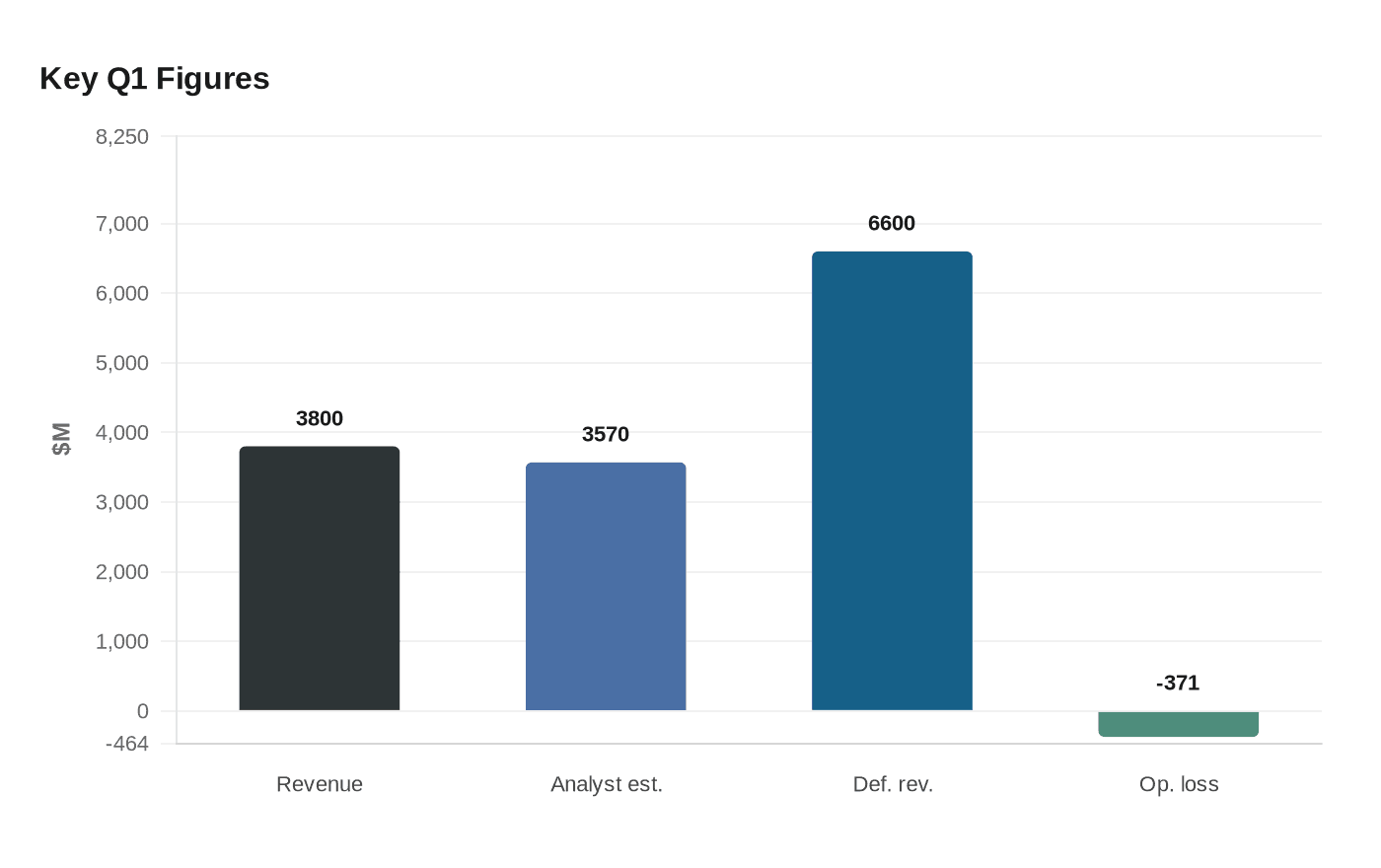
Live Nation kept filling arenas, amphitheaters and stadiums at a pace that most retailers and consumer brands would envy. The company reported first-quarter revenue of $3.8 billion, topping analyst expectations of about $3.57 billion, and said demand for concerts and live events remained resilient as fans kept prioritizing experiences over goods.
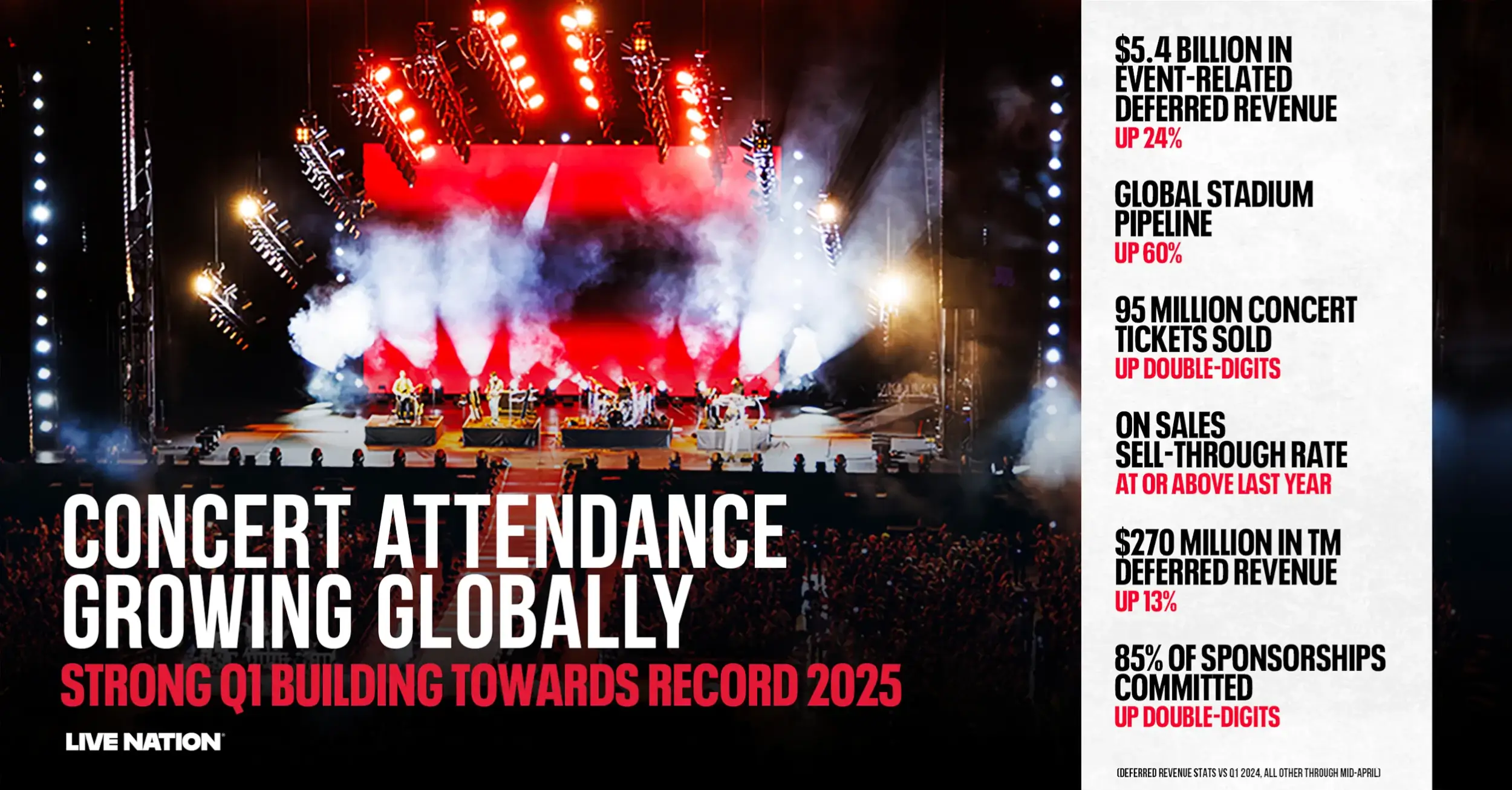
The numbers pointed to a business still running at very high volume. By the end of April, Live Nation said it had already booked more than 85% of its large-venue shows for the year, with show counts up from a year earlier across stadiums, arenas and amphitheaters. Ticket sales through the end of April reached more than 107 million for 2026 concerts, an 11% increase from the same point last year. Event-related deferred revenue rose 22% to $6.6 billion, which Live Nation said was the largest balance in its history, while Venue Nation was on track to grow attendance at its owned and operated venues by double digits.
That strength comes with a harder question for investors and regulators: how much of the momentum reflects genuine appetite for live music, and how much reflects a market structure that gives Live Nation unusual leverage over pricing and access? Chief Executive Michael Rapino has argued that the industry remains in a growth phase, powered by blockbuster tours, premium pricing and consumer willingness to spend on concerts. The company also said its 2026 booking pace was running at high-single-digit growth so far this year, underscoring how much supply has already been locked in.
The financial results were clouded by a $450 million legal accrual tied to mounting competition fights. Live Nation posted an operating loss of about $371 million for the quarter and warned that the charge will weigh on 2026 operating income. Excluding that item, adjusted operating income rose 9% to about $371 million. The company reported a per-share loss of $1.85, compared with 32 cents in the year-earlier quarter.
The legal backdrop is central to the story. A New York jury found in April that Live Nation and Ticketmaster illegally monopolized U.S. live event markets, including ticketing services at more than 200 major venues and markets for dozens of large amphitheaters booked by artists. Shares fell 6.3% after the verdict. For now, the quarter shows a company still benefiting from consumers’ appetite for live entertainment, while the business model that captured that demand faces its most serious challenge yet.
This article was produced by Prism’s automated news system from verified source data, official records, and press releases, then run through automated quality and moderation checks before publishing. The system is built and supervised by the people who set the standards it runs under. Read our full AI policy.
Did this article answer your question?
%3Amax_bytes(150000)%3Astrip_icc()%2FCertificate-of-deposit-2301f2164ceb4e91b100cb92aa6f868a.jpg&w=1920&q=75)