Local homeowner moves into 400-square-foot log-cabin tiny house
Susan Salvaggio moved into a turnkey 400-square-foot log-cabin tiny house on land she owned, avoiding a mortgage and completing hookups in time for Christmas.
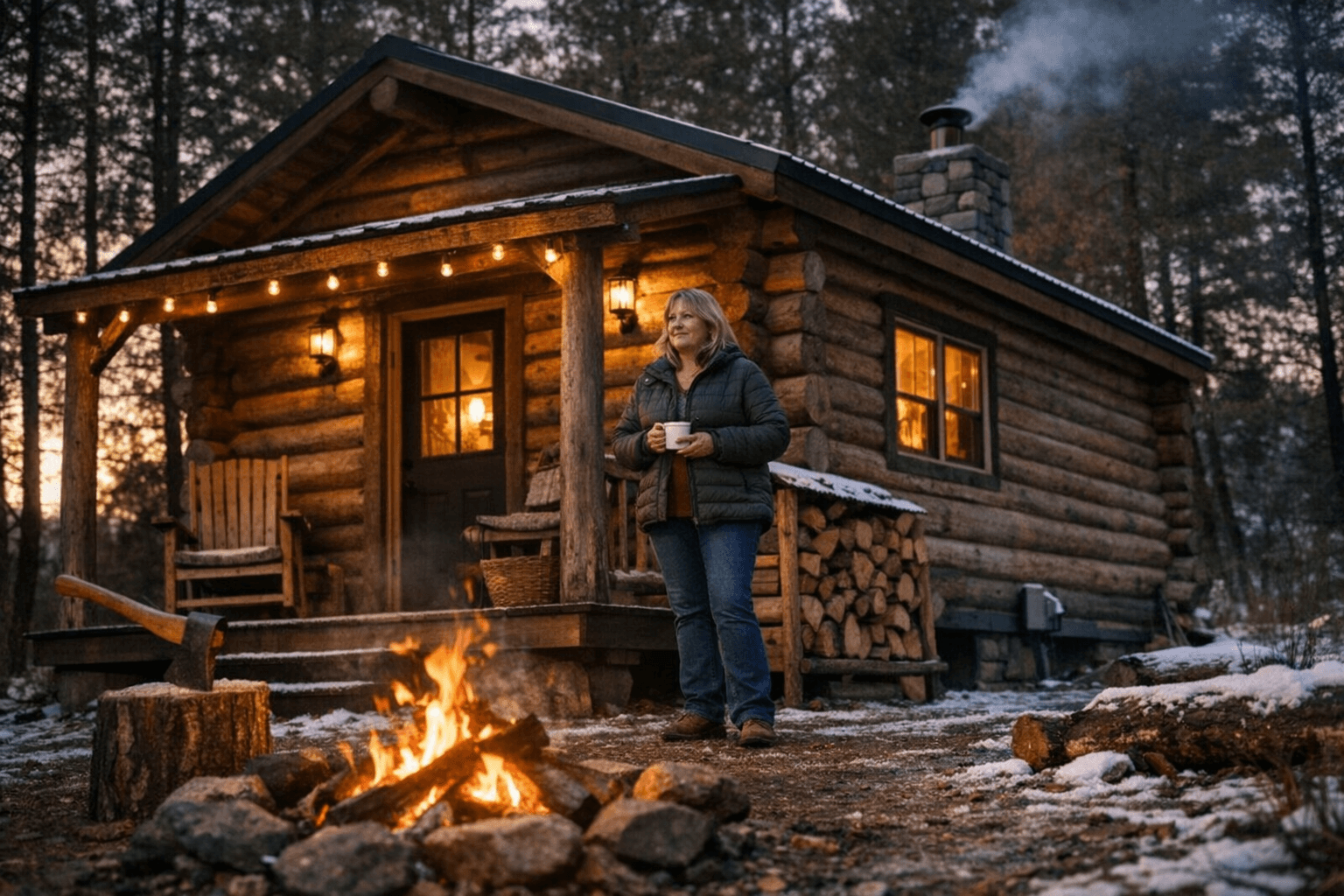
Susan Salvaggio moved into a 400-square-foot log-cabin style tiny house on land she already owned in Sodus, arriving just in time for Christmas on December 24. The unit, purchased turnkey from a Pennsylvania builder for roughly $125,000, was set on site and tied into local utilities after a rapid push by Salvaggio and area contractors to meet a tight timeline.
The project highlights a practical path to downsizing without a long construction schedule or a new mortgage. By buying a finished unit, Salvaggio paid the purchase price upfront and used local trades to manage zoning approvals, electrical and plumbing hookups, and site work. Contractors also built an additional garage on the property to handle overflow storage and equipment that would not fit inside the 400-square-foot footprint.
Turnkey purchases can shift financing and permitting burdens. Salvaggio’s approach removed the need to arrange construction loans or monitor a multi-month build at a separate shop, instead concentrating effort on foundation, hookups, and local approvals. For people considering similar moves, the combination of buying a finished shell, coordinating local permitting early, and planning off-home storage can shorten the calendar between decision and move-in.
The community played a central role. Local contractors coordinated zoning filings and utility connections under a compressed schedule, demonstrating how regional crews familiar with town requirements can speed projects for tiny-house buyers. The added garage solution is a common workaround when owners want full-sized storage without compromising tiny-house living space; keeping seasonal gear, tools, or hobby supplies in a separate structure preserves interior flexibility.
Practical considerations that emerged from the project include zoning readiness, hookup lead times, and site prep. Even turnkey units need foundation or skirting work, and utility connections can be the longest lead items depending on proximity to existing service and permitting backlog. Buyers who own land can gain leverage in scheduling, but should budget for site work, a storage structure if necessary, and the local contractor time required to obtain permits.
Salvaggio’s move-in illustrates a community-minded route into the tiny-house lifestyle: a finished, log-cabin aesthetic combined with pragmatic storage and a coordinated contractor effort made a small footprint livable right away. For readers weighing their own right-sizing plans, this case underscores the value of clear timelines, local expertise, and a willingness to pair compact living with conventional outbuildings. Expect more neighbors to explore turnkey options and garage add-ons as ways to make tiny life fit established properties and busy holiday calendars.
Know something we missed? Have a correction or additional information?
Submit a Tip