Local permit changes, ingredient shortages and funding cuts reshape craft-beer scene
Magic City Brewing's Chapter 7 filing and Akron taproom closures capped a week of local shocks that also saw permit fights in Birdtown over a converted church's 32-foot bartop and pressure from ingredient shortages.

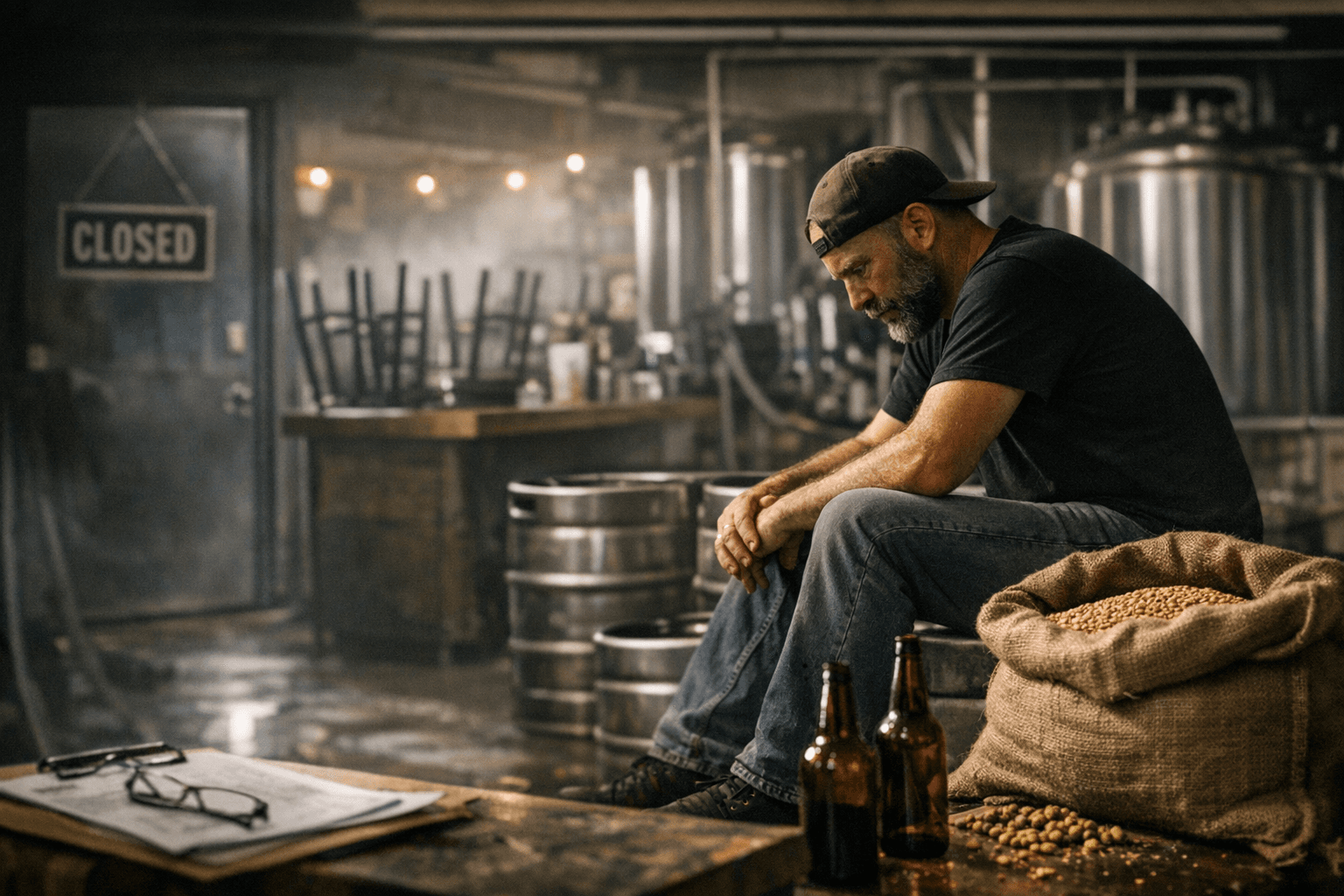
Magic City Brewing's Chapter 7 filing, which includes the closure of its Akron taprooms and plans to liquidate, crystallized a week of shifts for area brewers and organizers. The move landed alongside a string of local disputes over permits and rising supply constraints, changing the calculus for small brewpub operators and homebrewers who count on predictable taproom foot traffic and steady ingredient deliveries.
The Chapter 7 action in Akron closed the book on Magic City Brewing's taproom operations and puts its equipment and inventory into liquidation. That legal step removes a functioning competitor from local floorspace and shortens the market for used brewing gear; operators shopping for fermenters, coolers or draft lines will now find auctioned assets from a regional brewer on short notice.
Permit fights tightened up in Birdtown this week, where a converted church project featuring a 32-foot bartop became a focal point at zoning meetings. The Birdtown hearings highlighted how municipal permit wording and building-code enforcement can change a launch plan overnight: what began as a renovation of a historic shell now includes a protracted review of occupancy, ADA access and plumbing that affects buildout costs and opening timetables for taproom concepts.
At the same time, ingredient channels showed strain as brewers adapt to shifting consumer demand toward low-ABV lagers and evolving hop varieties. Industry coverage this week flagged a broader U.S. trend of craft-beer closures as market tastes tilt; locally, that has translated into tighter orders for specialty malts and slower turnaround on contract-hop lots. For hobbyists who rely on same-week pickups from local suppliers, lead times are lengthening and substitution decisions are becoming routine.
Funding cuts and festival calendar changes compounded the pressure. Regional events that once carried taproom ticket sales and barrel-aged-release buzz are seeing smaller sponsorship pools and scaled-back vendor slots, squeezing marketing windows for new labels. Even in places with active scenes, the combination of permit friction, fewer festival opportunities and squeezed ingredient pipelines is nudging small operators to delay expansions or convert taproom plans into smaller, delivery-first models.
Practical implications are immediate: monitor local zoning-board agendas where Birdtown-style permit language is on the docket, watch liquidation listings tied to the Akron closures for used gear bargains, and lock down hop and malt contracts earlier than usual. The next six months will tell whether these shocks rearrange local taproom geography permanently, but for now the hard lessons are concrete — legal filings, permit reviews and supply gaps are hitting balance sheets and buildout schedules in real time.
Know something we missed? Have a correction or additional information?
Submit a Tip