Local plumbers warn Jim Wells County to winterize pipes now
Plumbers urged residents before the Jan. 6 cold snap to insulate pipes and protect outdoor faucets to avoid frozen pipes, water loss, and costly repairs.
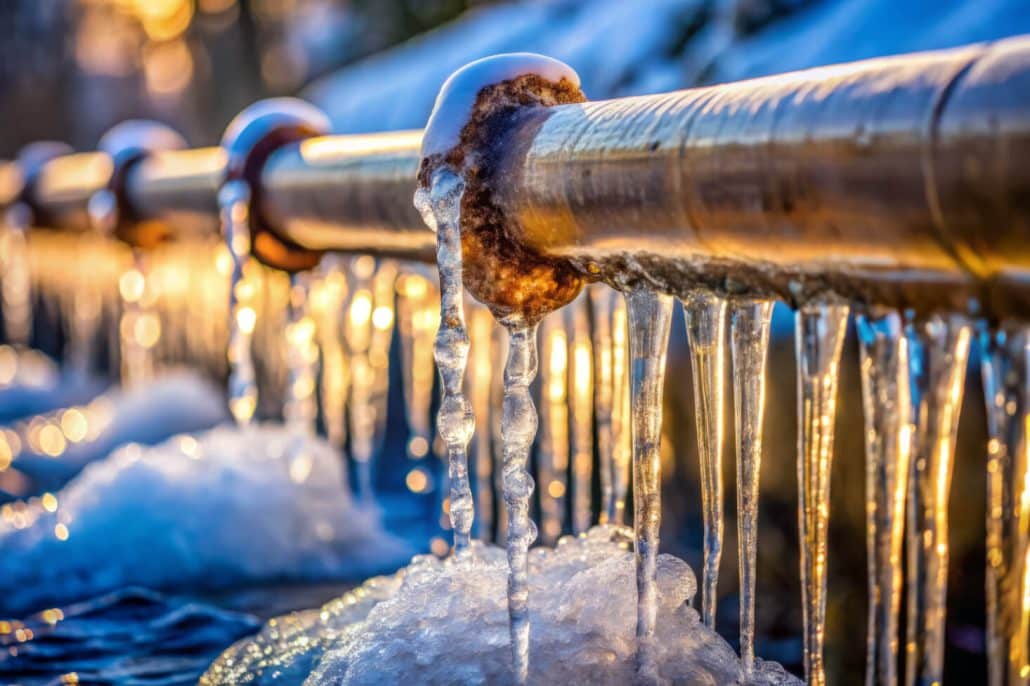
Ahead of the Jan. 6 cold snap that moved through the Coastal Bend, local plumbing professionals in and around Jim Wells County urged homeowners to take simple, low-cost steps to avoid frozen and burst pipes that can leave families without water and trigger expensive repairs.
Elias Villalobos, master plumber and co-owner of Neff's Plumbing, was among those advising residents to check exposed water lines, especially in homes with pier-and-beam foundations. Properties with crawlspaces and piping running under floors face greater risk when nighttime temperatures dip, since those pipes are more likely to freeze and then burst when thawing begins.
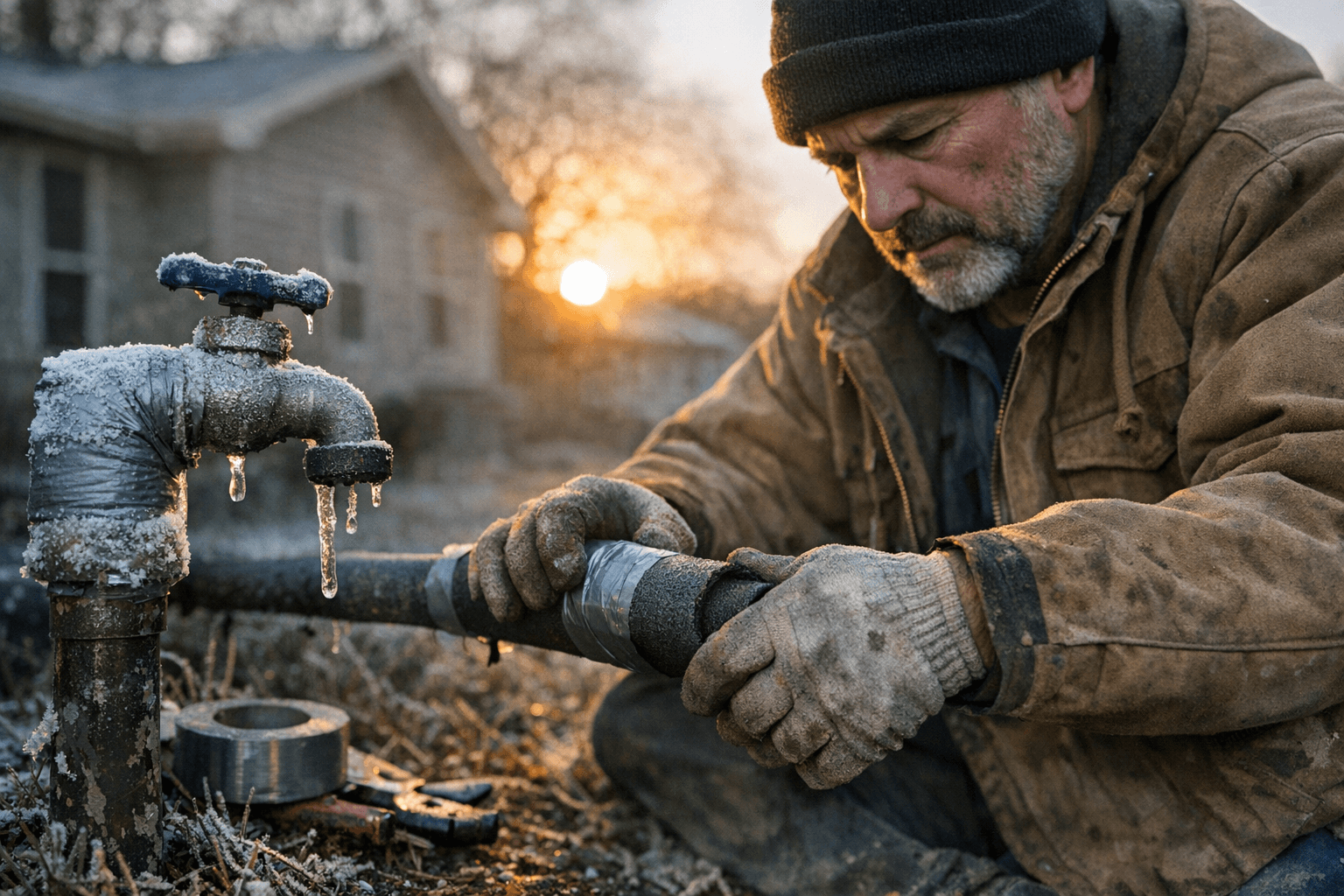
Plumbers recommended insulating exposed piping with foam insulation or even rags, protecting outdoor faucets and hose bibs, and letting faucets drip during very cold weather to keep water moving and reduce freeze risk. They specifically urged homeowners to inspect crawlspaces and other areas where pipes run unprotected and to schedule a professional inspection if they suspected a vulnerability. The guidance stressed that a frozen pipe can rupture and leave a household without water while creating flood damage and a costly repair bill.
The public health and community implications of losing potable water are significant. In Jim Wells County, families with infants, elderly relatives, or household members who depend on refrigeration for medicines or on medical equipment that requires a reliable water supply face heightened risks. Water outages also disproportionately strain lower-income households that lack savings for emergency repairs or temporary lodging, compounding existing inequities in housing and health security.
Beyond individual households, widespread frozen or burst pipes can strain municipal and contractor resources, delaying emergency responses and pushing up repair wait times and prices. Preventive measures are often faster and far cheaper than emergency fixes, and professionals encouraged neighbors to check on one another—especially seniors and residents living alone—before and during cold spells.
For those unsure where vulnerable pipes are located, a quick crawlspace check can reveal exposed lines that need insulation. Outdoor spigots should be shut off and drained when possible, and hose connections removed. If a household does experience a freeze, homeowners were advised to prepare for possible pipe damage and to reach out to trusted plumbers for timely inspections rather than waiting for visible leaks to appear.
The takeaway? A little preparation now can keep your water flowing and your wallet intact. If you live in a pier-and-beam house or have an exposed crawlspace, grab some insulation or call a local plumber for a quick check—your future self will thank you.
Sources:
Know something we missed? Have a correction or additional information?
Submit a Tip