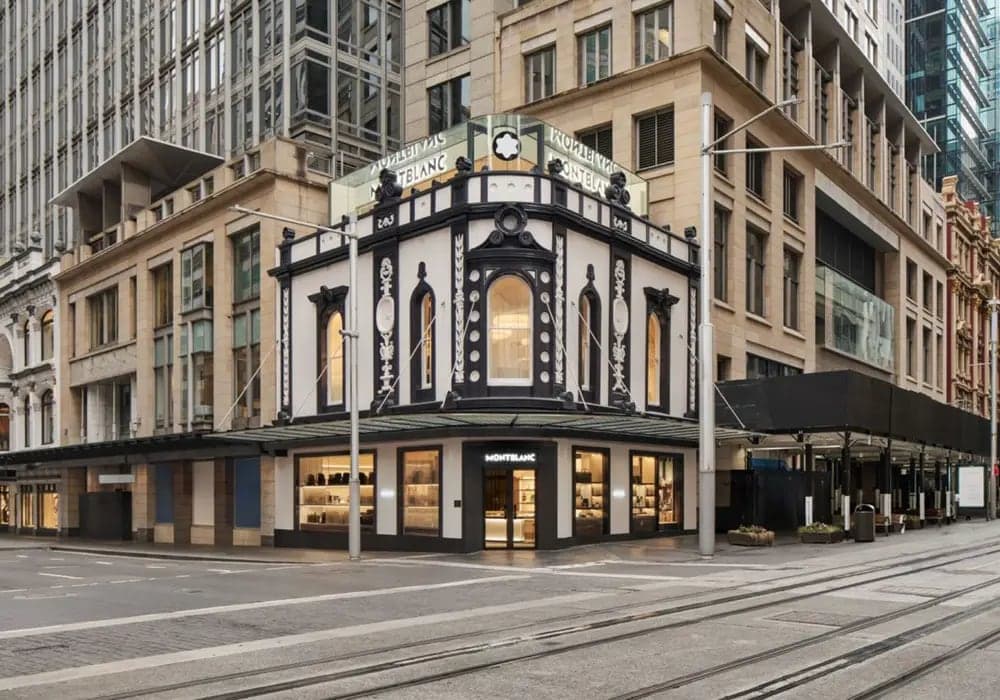
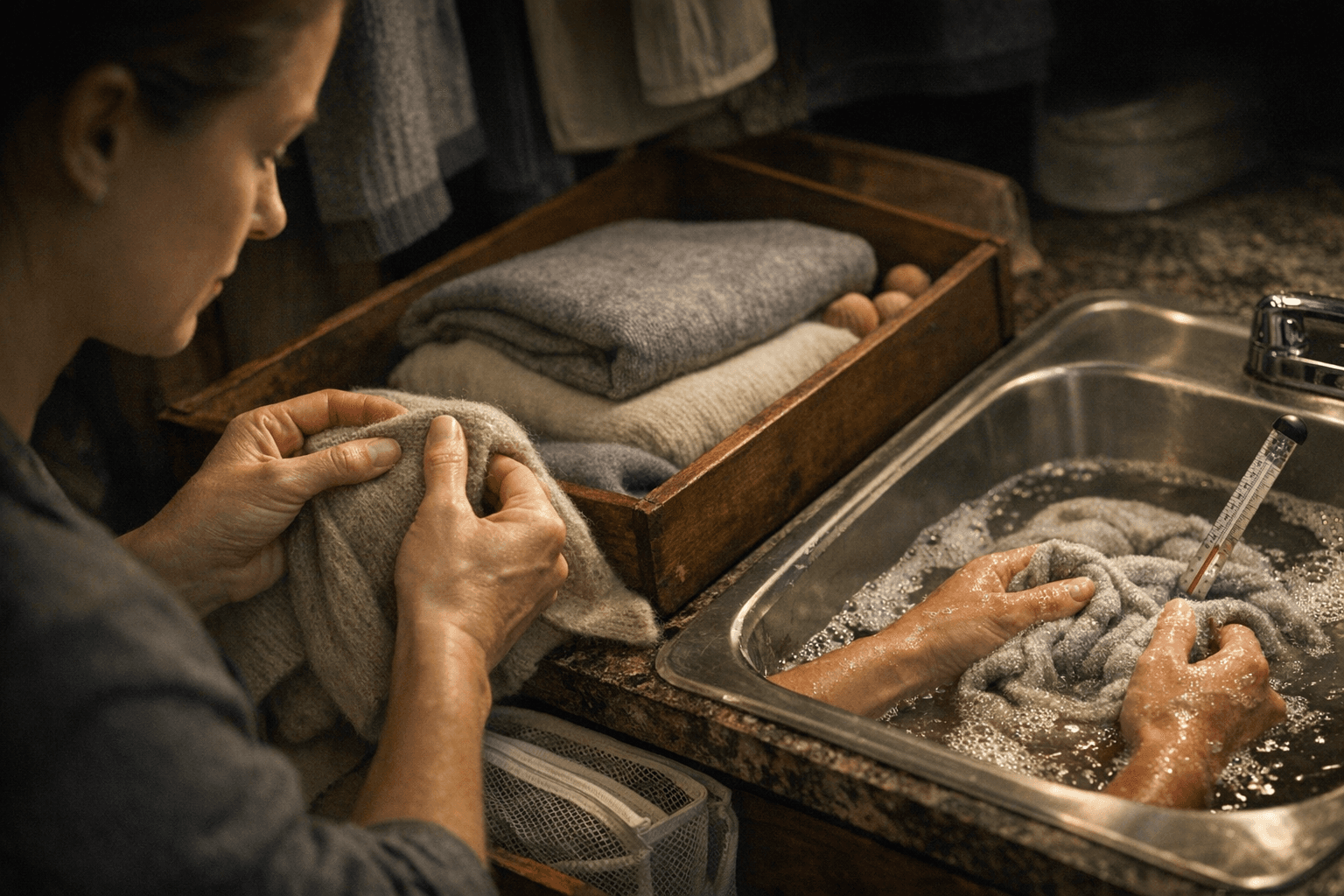
L'OFFICIEL maps season's new luxury flagships and boutiques for old-money clientele worldwide
L'OFFICIEL’s March 3 roundup maps the season’s new luxury flagships and boutiques worldwide, a curated guide to where old-money buyers will find private service, heritage craft, and quietly confident shopping.
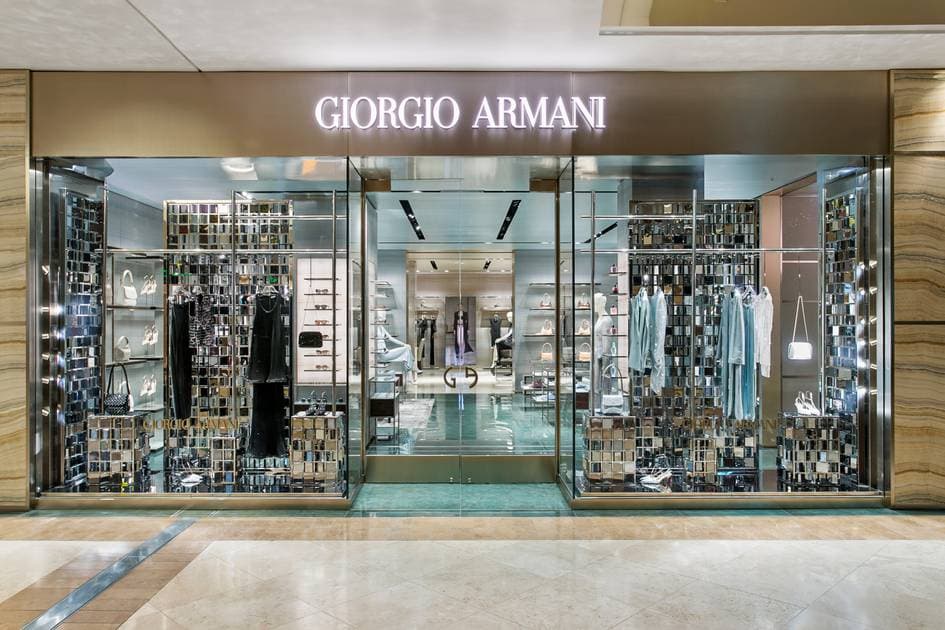
If you want to shop with discretion and longevity, L'OFFICIEL’s March 3 roundup gives you a practical map of this season’s new luxury flagships and boutiques worldwide: the physical addresses to visit when craft, service, and a conservative sense of style matter more than logos. The value for the reader is simple: these stores are where you still try on real cashmere, commission made-to-measure, and secure an appointment-only fitting that preserves privacy and provenance.
Why this map matters now The piece is not a list of openings for trend chasing; it is a catalogue of utility and status. L'OFFICIEL curated flagships, concept stores, and intimate boutiques that are signaling a strategic return to stores built for relationship commerce. These are spaces designed to hold appointments, private salons, atelier services, and conservatory-like fittings, all the elements that matter to an old-money clientele that shops for durability, craft, and low-key affirmation. Think of it as a short list of where to invest in garments you intend to wear for a decade or more.
How the new retail speaks old-money Across the mapped openings you will see consistent signals that speak to conservative luxury: muted palettes, wood-paneled client rooms, limited stock rotated by appointment, and in-house ateliers offering repairs or made-to-order. The sensibility favors cashmere over flash knit logos, structured blazers over seasonally gimmicky micro-trends, and tailoring that rewards proportion and cut. The stores are being configured to offer time-intensive services, from private fittings to bespoke embroidery; these are not transactional pop-ups but infrastructure for long-term relationships with clients.
What to look for when you visit When you cross the threshold into one of these new flagships, your best indicators of an old-money-tailored experience are practical. Look for a reservation desk or an appointment-only policy, a visible tailoring table or sewing machine in the back, a private salon off the main floor, and staff trained in style consultation rather than aggressive upselling. Materials and construction matter: inspect seam finishes, ask about yarn origin for knitwear, and request timelines for made-to-measure. These features separate boutiques that understand legacy wardrobe building from mere brand theater.
Styling implications for your wardrobe Buying from one of these new boutiques should change the way you approach garments. Choose pieces with clear construction benefits: lined coats with canvas interfacing for shape retention, full-slip silk dresses rather than stretch blends for longevity, loafers with stitched soles rather than glued constructions for resoling. Expect to spend on tailoring; a well-cut jacket is the real investment, not the season’s accessory. The stylistic through-line across the openings L'OFFICIEL maps is a preference for restraint: neutral colorways, classic silhouettes, and fabrics that patina well.
- Schedule fittings in advance: many flagships have appointment-only windows that guarantee privacy and extended service time.
- Prioritize materials: prioritize cashmere, boiled wool, full-grain leathers, and natural silks for durability and repairability.
- Ask about in-house services: repair, pressing, and alteration ateliers indicate a long-term relationship model.
- Request provenance: a boutique that can describe fabric mills, stitch counts, or source towns is investing in education and authenticity.
Practical tips from the map
City strategy: capitals, resort hubs, and regional refinement L'OFFICIEL’s global mapping separates openings by the role a city plays in an old-money circuit. National capitals and fashion centers will host flagship experiences meant to cement a brand’s heritage credentials. Resort hubs often present a softer, leisure-forward assortment—linen suits, swimwear, and relaxed tailoring—framed within private beach-club aesthetics. Secondary cities receive curated boutiques focused on classic goods and local clientele, trading volume for intimacy. For the shopper, this means selecting the right visit based on your need: bespoke suiting in a capital, relaxed tailoring in a resort destination, and discreet staples in regional boutiques.
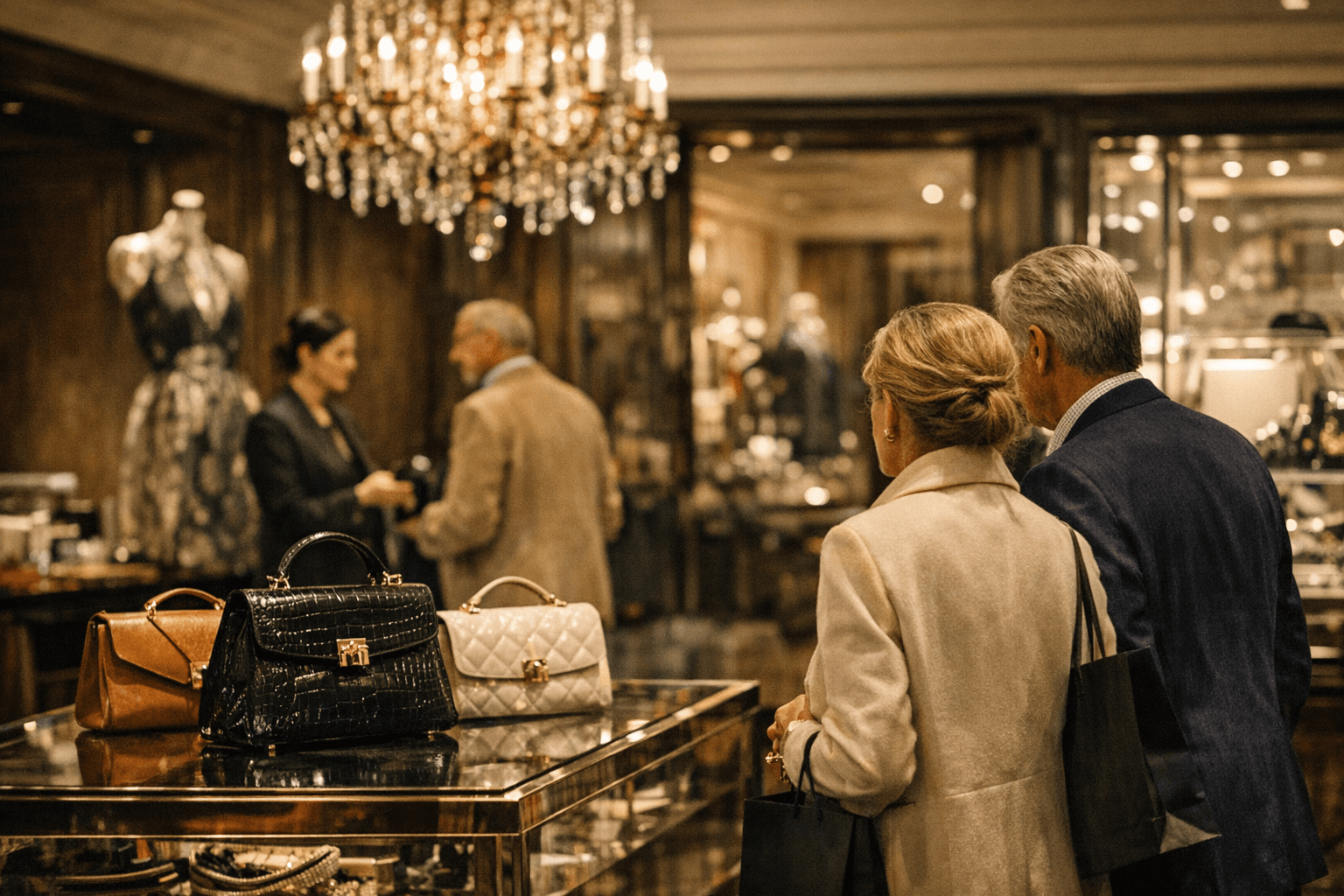
What brands are doing differently in store design The boutiques highlighted emphasize low-sensory luxury: acoustic treatments to reduce bustle, daylight-balanced interiors to reveal fabric texture, and unbranded packaging that signals discretion. Many flagships integrate an atelier counter visible from the salesfloor, a design choice that turns craft into spectacle while preserving client confidentiality in backrooms. Retailers are also allotting space for private viewing rooms with subdued lighting and seating, recognizing that an old-money client prefers a measured, respectful pace to shopping.
The business case beneath the surface This season’s openings reflect a strategic allocation of resources: brands are committing to capital expenditure on fewer, higher-service stores rather than broad expansion. That model benefits an old-money clientele that values depth over breadth. The map therefore functions as a signal to investors and shoppers alike: physical retail that promises bespoke experience and repairability can still command premium prices when it delivers measured service and craft.
A note on pricing and comparison Expect premium pricing when a store offers atelier services, private rooms, and in-house alterations. Those costs are part of the service architecture. When evaluating purchase decisions, compare not just label prices but the total ownership cost: alterations, resoling, and periodic maintenance are part of the equation. A well-made coat that requires occasional pressing and one minor repair over ten years can outperform a cheaper throwaway piece in both appearance and economy.
How to use L'OFFICIEL’s map to build a wardrobe Treat the roundup as a travel itinerary for sensible acquisitions. Time visits around known life events when you need a bespoke piece. Bring measurement histories and photographs of older garments that fit well so staff can match proportions. Use appointment visits to ask for fabric swatches and to register for maintenance services. Over seasons, concentrate purchases on foundational categories: outerwear, tailoring, knitwear, and shoes, then layer in seasonal accessories from boutiques that specialize in heritage craft.
Conclusion L'OFFICIEL’s March 3 mapping is a practical guide for anyone intent on buying less and buying better: it identifies where the industry is investing in privacy, repair, and traditional craft rather than spectacle. For readers who care about longevity, these flagships and boutiques are not mere showrooms but service hubs for a wardrobe intended to be worn, mended, and passed down. The retail landscape this season rewards patience and presence: visit with time in your diary, prioritize fit and material, and treat each appointment as an investment in a lasting wardrobe.
Know something we missed? Have a correction or additional information?
Submit a Tip