London Fashion Week’s Sustainability Rules Push Brands Toward Certified Deadstock Materials
London Fashion Week pushed brands in February 2026 to increase the share of certified or deadstock materials in collections, shifting sourcing toward verified surplus fabrics.
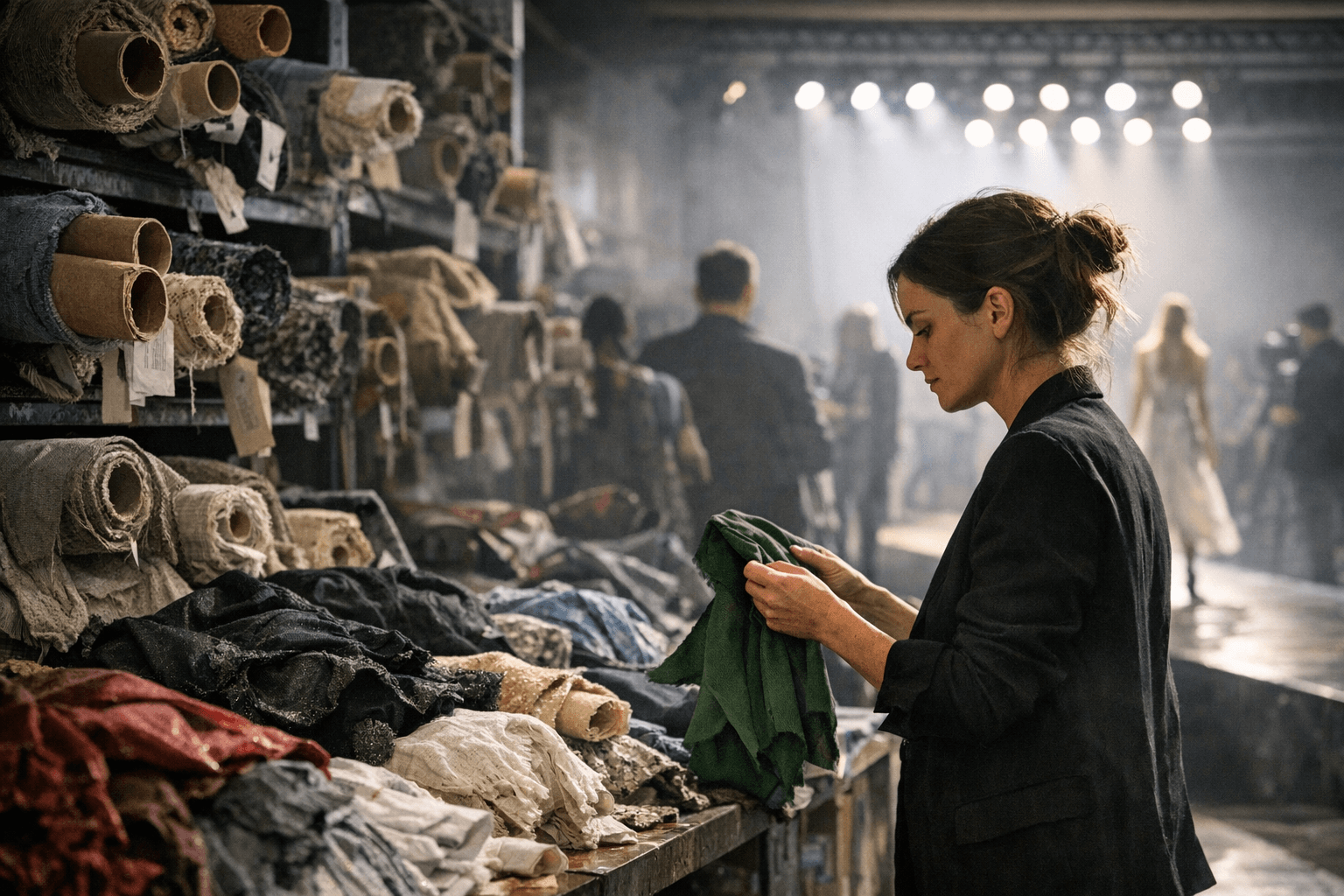
London Fashion Week shifted from soft guidance to a concrete sourcing challenge, asking brands to raise the proportion of certified or deadstock materials in their collections. That directive, issued in February 2026, targeted the supply choices that determine whether a coat or gown becomes an heirloom piece or a season’s throwaway.
The move was framed explicitly for buyers who prize longevity. The industry roundup for February placed the change alongside advice for value-minded, longevity-focused wardrobes, arguing that certified inputs and deadstock fabrics reduce the environmental cost of each purchase while making garments easier to justify as investment pieces. For designers and production teams, the message was simple: source verified surplus or certified fibres to align with the season’s sustainability expectations.
Practical consequences unfolded immediately on sourcing floors in London. Brands that traditionally relied on seasonal mills had to re-evaluate orders and inventory: certified materials require traceable chain-of-custody documentation, while deadstock sourcing demands new logistics to locate and audit surplus stock. The directive pushed design teams to plan collections around available certified yardage or to integrate deadstock panels into tailored silhouettes, a change that affects pattern cutting, yardage calculations, and sample approvals.
Retail implications followed. For the Old Money fashion customer who shops with an eye to longevity, garments made from certified cashmere, organic-certified linens, or deadstock wools align with a wardrobe strategy that favors repairable, enduring pieces. The February guidance reframed value as durability backed by provenance, not simply a lower per-item price. That reframing nudges brands toward transparent labeling and stronger aftercare notes that matter when a single coat is expected to last a decade.
The policy also accelerates a technical pivot: verification systems and deadstock marketplaces will grow in relevance as brands scale compliance. In practice, February 2026’s requirement means design calendars must factor certification timelines and deadstock availability into delivery schedules, or brands risk missing London Fashion Week windows. For buyers who curate with restraint, the change promises clearer provenance and fewer trend-driven disposables.
London’s updated rules do not solve supply-chain complexity overnight, but they alter the incentives that shape collections. By asking for higher shares of certified or deadstock materials in February 2026, London Fashion Week made provenance a design parameter, pushing houses and independents alike to treat material sourcing as the first line of stewardship for wardrobes built to last.
Know something we missed? Have a correction or additional information?
Submit a Tip