London founder house bets work-life balance can beat burnout
London Founder House sells a softer startup life, but its own language still celebrates obsession. The real test is whether this model changes the grind or just dresses it differently.

London Founder House is trying to turn the founder house from a symbol of nonstop hustle into a live experiment in whether startup culture can produce companies without reproducing its own burnout machine. The setup is deliberately intimate and costly: five young founders lived in a three-storey house in northwest London with a shared kitchen, a coworking space, pastries on hand, and a reported monthly bill of £8,000.
What the London founder house is
London Founder House says it began in 2024 and describes itself as a hacker house, residency, and community for the “most obsessed founders in London.” That language places it squarely inside the startup mythology that grew out of San Francisco, where hacker houses became shorthand for founders living and working together under intense pressure.
The project does not hide its ambition. On its site, it says, “We don't care about bullshit European 'work-life-balance'. We're here to build generational companies.” The same site frames the house as a place “where ideas become obsessions” and invites founders to join one of its houses or apply. Those lines make the house more than a co-living address: they are a public statement about what kind of work ethic the founders inside are expected to embrace.
Inside the model
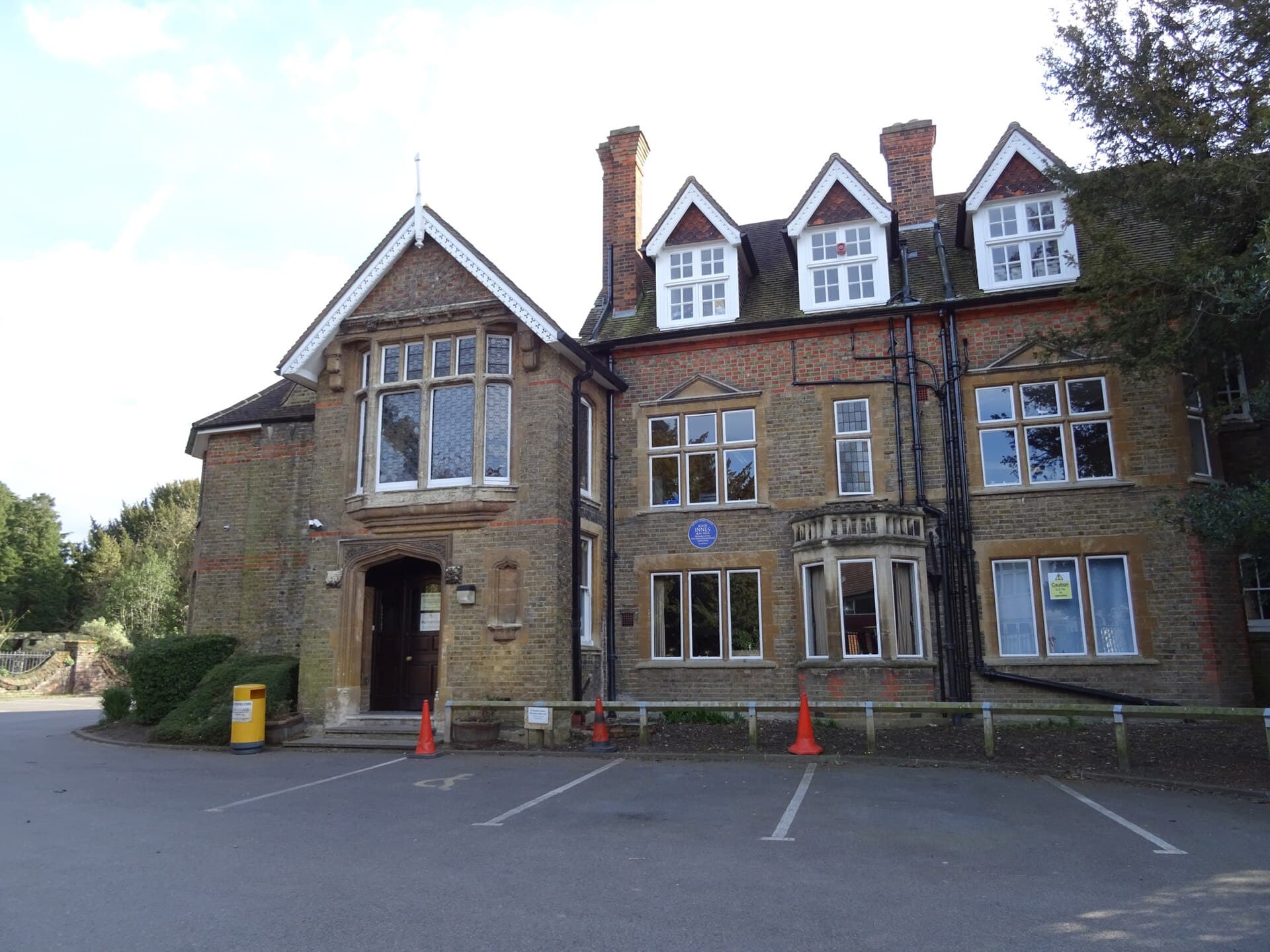
A 2024 profile of the house described a leafy pocket of northwest London where the “founder mansion” sat behind patio doors opened toward a garden. The image mattered because it softened the usual founder-house stereotype without changing its core logic: residents still lived where they worked, and they worked where they slept.
The reported setup was not a casual flat share. Five founders shared the space and used a kitchen that doubled as a coworking area, a layout that compresses social life, office life, and domestic life into the same footprint. The monthly cost of £8,000 is a key detail because it shows this is not an improvised student-style crash pad but a financed operating environment with a price tag that puts it beyond the reach of most early-stage builders.
Why the culture question matters
The house is best understood as a test case for whether startup culture can be redesigned from the inside. Founder houses have long been associated with a grind-first mentality imported from Silicon Valley, where proximity, speed, and constant availability are often treated as virtues. London Founder House is leaning into the same shared-living structure, but with a claim that the model can be recalibrated rather than simply copied.
That creates a tension at the center of the project. On one hand, the house presents itself as a community for builders who want concentrated focus and peer pressure. On the other, the project’s own slogans reject the language of balance while the surrounding presentation, pastries, patio, residential setting, suggests comfort and sustainability. The question is not whether the house looks nicer than an old-school hacker house. It is whether the routines and incentives inside it actually reduce the exhaustion that startup culture often normalizes.
Burnout was already part of the London startup conversation
The house entered a startup scene that had already been talking about founder strain. By July 2023, Forbes had run a piece on founder burnout and a London venture capitalist taking care of entrepreneurs, a sign that the issue was established well before the latest wave of founder-house branding. That context matters because London Founder House is not addressing a hypothetical problem. It is intervening in a conversation that already linked startup growth with mental and physical depletion.
That earlier discussion also explains why the founder-house idea attracts attention beyond its novelty. If burnout was already being treated as a serious issue in London, then any new house that promises a different rhythm has to be judged on more than its design or its slogans. The real question is whether it changes the conditions of work or simply makes the old demands easier to tolerate.
How the idea evolved
By 2026, TechCrunch had published a story about one London founder house rewriting the founder-house rules and challenging the usual culture. That framing suggests the idea did not stay frozen as a direct Silicon Valley import. Instead, it appears to have evolved toward a model that claims to rethink the relationship between ambition and endurance.
That evolution is important because it points to the central tension in the whole experiment. If the house is truly rewriting the rules, then it should show up in how founders schedule their days, how they share space, and how they define success. If it does not, then the language of community and balance becomes a softer wrapper around the same pressure to always be building.
What to watch when judging the model
The most revealing details are the least glamorous ones. In any founder house built around work-life balance or its rejection, the practical test is whether residents can sustain output without treating exhaustion as a badge of honor. The shared kitchen-coworking setup, the resident count, the rent, and the house’s public messaging all matter because they show how the model organizes daily life.
- The living arrangement is compressed, with work and home folded together.
- The price is high enough to signal a selective, resource-backed operation.
- The branding is explicit about obsession and dismissive of balance.
- The broader debate around founder burnout already predates the house.
Taken together, those facts make London Founder House more than a clever real-estate play. It is a live argument about whether startup culture can be made less punishing without losing the urgency that founders believe drives success. The answer will be found not in the slogans, but in whether the companies built there can grow without turning burnout back into the default setting.
This article was produced by Prism’s automated news system from verified source data, official records, and press releases, then run through automated quality and moderation checks before publishing. The system is built and supervised by the people who set the standards it runs under. Read our full AI policy.
Did this article answer your question?