London spotlights American Revolution sites as U.S. nears 250th anniversary
London is turning the Revolution’s British paper trail into a semiquincentennial lens, with Kew, the British Library and historic sites reframing imperial defeat.
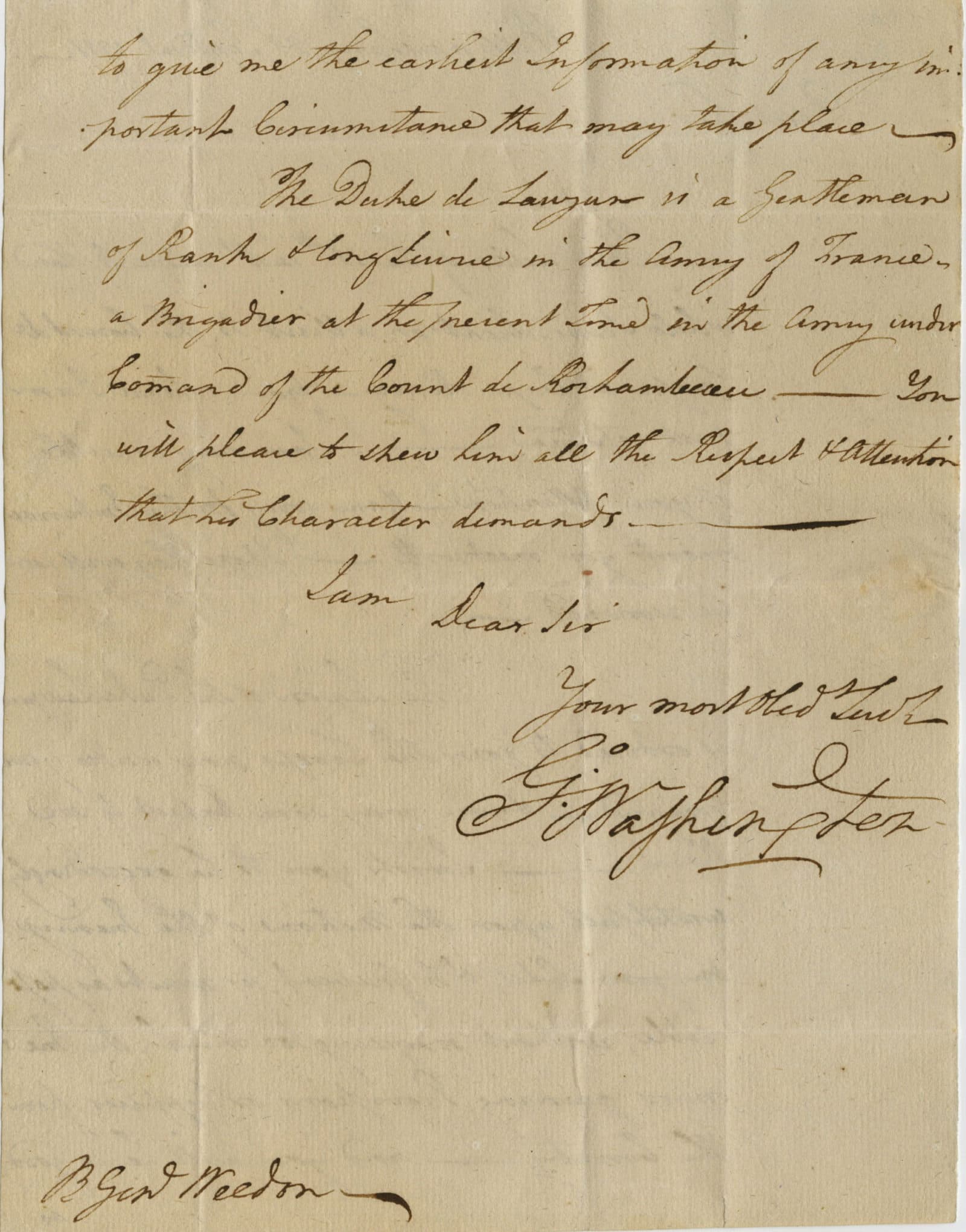
A George Washington letter dictating his acceptance of the British surrender at Yorktown in October 1781 will go on display in London for the first time ahead of America’s 250th anniversary. As the United States prepares to mark the Declaration of Independence on July 4, 2026, London institutions are using the moment to show how the break with Britain looked from the imperial capital, through archives, manuscripts and surviving Georgian spaces that shaped the conflict.
Kew turns the Revolution into a British archive story
The clearest place to start is The National Archives at Kew, where a free exhibition, *Revolution 250: America’s Independence Story 1763–1783*, runs from June 24 to November 29, 2026. The show frames the war from the British side of the paper trail, tracing the road to independence through records tied to the Tea Act, Indigenous treaties and the years of mounting political rupture before and during the conflict.
One of the exhibition’s most striking objects is the George Washington letter dictating his acceptance of the British surrender at Yorktown in October 1781. Yorktown, Virginia, was the decisive surrender point for Charles Cornwallis and the British army, and the letter gives the semiquincentennial a document that links the city directly to the endgame of the war. A British archive now holds one of the Revolution’s most consequential American artifacts.
The exhibition follows a deliberate timeline. The American Revolution began in 1775, independence was declared in 1776, Britain’s surrender at Yorktown came in 1781, and Britain formally recognized U.S. independence in 1783.
Why London is being read as part of the founding story
London’s role in the Revolution is not limited to symbolism. The city was the center of the imperial policy-making that shaped the American colonies, and it remains a place where the political, legal and personal records of the era are preserved. In the semiquincentennial, London is not presenting the Revolution as a celebration of victory, but as a reconsideration of the imperial machinery that produced defeat, separation and eventually a new nation.
The usual American map of founding memory runs through Philadelphia, Boston, Yorktown and a handful of battlefield sites. London offers a different map: one that includes the offices, archives and households where policy was argued over, correspondence was drafted and colonial power was exercised.
The British Library keeps the manuscript record alive
The British Library adds another layer to that transatlantic reading. Its America-related manuscript holdings connect to the history of the United States through 1783, making it one of the most important places in Britain for following the documentary record of the early republic’s birth. For visitors, that means London’s value lies not only in architecture and street names, but in the preservation of letters, papers and official material that reveal how the colonies were governed and how independence was recorded.
The Revolution was not only fought on battlefields; it was argued over in letters, petitions, treaties and official documents. London’s collections allow that paper war to be traced alongside the military one, showing how legal language, diplomacy and imperial administration helped determine the outcome.
English Heritage places the revolution inside the city’s Georgian frame
English Heritage broadens the picture beyond archives. London sites can be used to explore Britain’s history in the Georgian period and beyond, which makes the capital a useful place to understand the world that produced the Revolution in the first place. The Georgian era was the setting for the imperial politics, mercantile expansion and social hierarchy that defined Britain’s relationship with the American colonies.
Rather than treating London as a backdrop for American independence, the city can be used to understand the era in physical form. Surviving spaces from the period help explain the world of ministers, merchants, officials and correspondents who shaped colonial policy and responded to rebellion.
London is not staging the Revolution as a simple tale of loss, but as part of Britain’s own historical inheritance. The city’s sites and institutions make it possible to see how imperial power was built, tested and finally forced to concede independence in 1783.
How to read London’s Revolution sites now
For a focused visit, the most meaningful thread runs from the archive to the city. Start with the National Archives exhibition at Kew for the Tea Act, Indigenous treaties and the Washington surrender letter. Then move to the British Library for the manuscript record that carries the American story through 1783. Finish with the London sites highlighted by English Heritage to place the Revolution inside the Georgian city that once governed the colonies.
This article was produced by Prism’s automated news system from verified source data, official records, and press releases, then run through automated quality and moderation checks before publishing. The system is built and supervised by the people who set the standards it runs under. Read our full AI policy.
Know something we missed? Have a correction or additional information?
Submit a Tip