Long Island Cold Cases Reopen as DNA Links Suspect to Killing
A discarded smoothie cup helped tie a 63-year-old Long Island man to Theresa Fusco’s 1984 killing. The case also revived three teen disappearances that haunted Nassau County for decades.
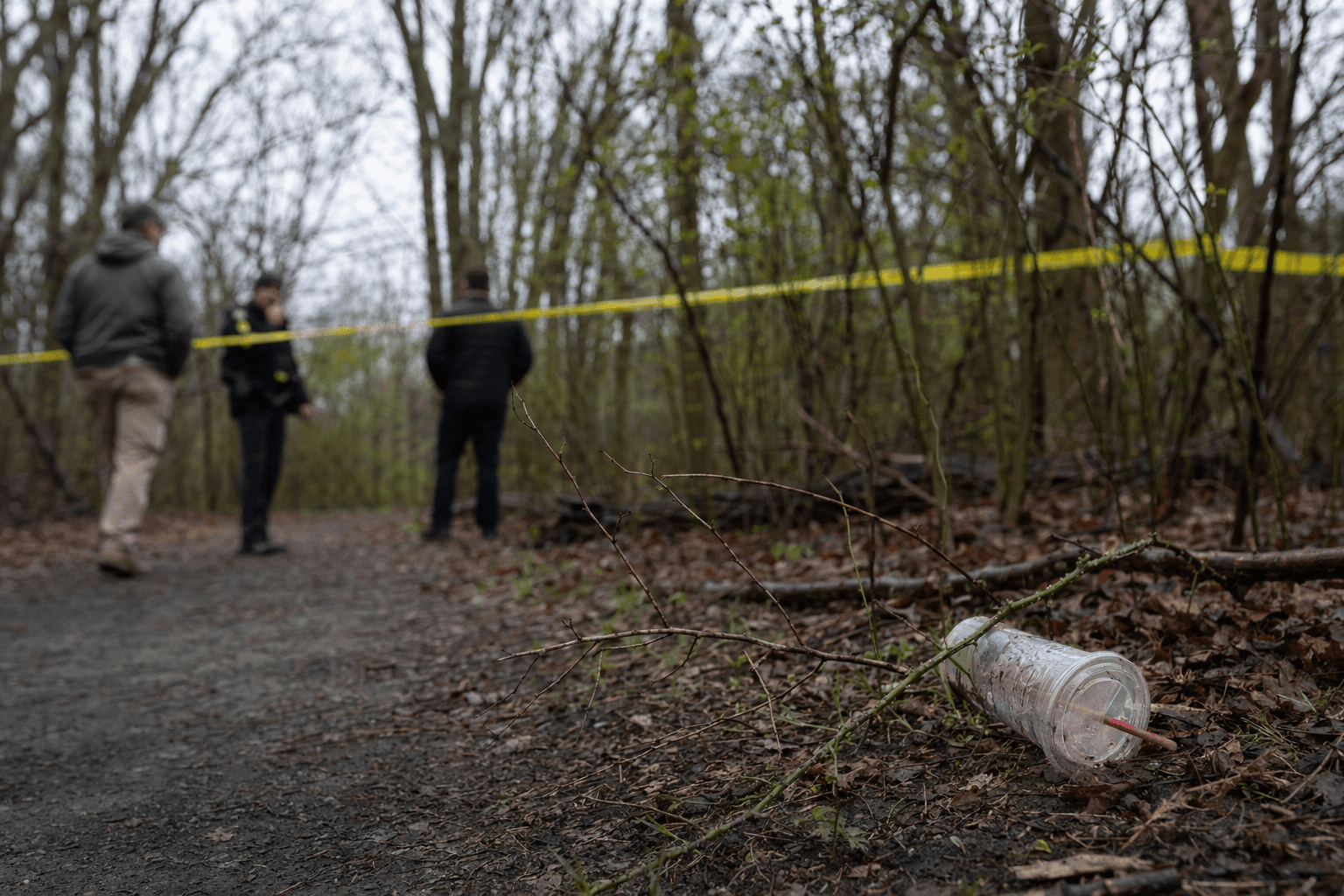
A used cup and straw from a Suffolk County smoothie café became the key to a 40-year-old homicide mystery, linking Richard Bilodeau, then 63 of Center Moriches, to the killing of Theresa Fusco. Prosecutors said DNA taken from the straw matched evidence preserved from Fusco’s 1984 autopsy, giving investigators a forensic break that old methods never could.
The new evidence pulled one of Long Island’s most wrenching cold cases back into court and back into public view. Fusco was 16 when she vanished on November 10, 1984, after leaving her job at Hot Skates, a roller rink in Lynbrook. Her body was found about three weeks later. Bilodeau was arraigned on two counts of second-degree murder, including murder during the course of a rape, and pleaded not guilty. A Nassau County judge later ruled that the case could move forward despite defense challenges to the DNA evidence.
The breakthrough also cast a harsher light on how the original investigation went wrong. Police had focused on John Kogut after Fusco’s death, and Kogut eventually confessed and implicated Dennis Halstead and John Restivo. Years later, defense lawyers argued the confession was coerced. In 2003, new DNA testing overturned the convictions of Kogut, Halstead and Restivo after each had served roughly 17 years in prison.

Fusco’s case did not stand alone. In 1984, three teenage girls disappeared from the same Long Island area within months of each other, feeding fear in communities from Lynbrook to Massapequa and Oceanside. Kelly Morrissey was 15 when she walked out of her home on June 12 and was never heard from again. Five months later, Fusco vanished. Four months after that, 19-year-old Jackie Martarella never showed up for a shift at Burger King.
That cluster of disappearances is part of why the Fusco case continues to matter. It shows how a homicide file that once seemed permanently buried can reopen when old evidence is re-examined with modern DNA tools, and when cases that once faded from view are forced back into the spotlight. For Nassau County, the arrest did more than identify a suspect. It exposed the long shadow of a flawed investigation and the distance forensic science has traveled since 1984.
This article was produced by Prism’s automated news system from verified source data, official records, and press releases, then run through automated quality and moderation checks before publishing. The system is built and supervised by the people who set the standards it runs under. Read our full AI policy.
Did this article answer your question?

