Lord Timpson to step down as prisons minister amid crisis pressure
Lord Timpson is stepping down after fewer than 12 months as prisons minister, with 262 wrongful releases in a year and more than 90 more after April exposing the strain.
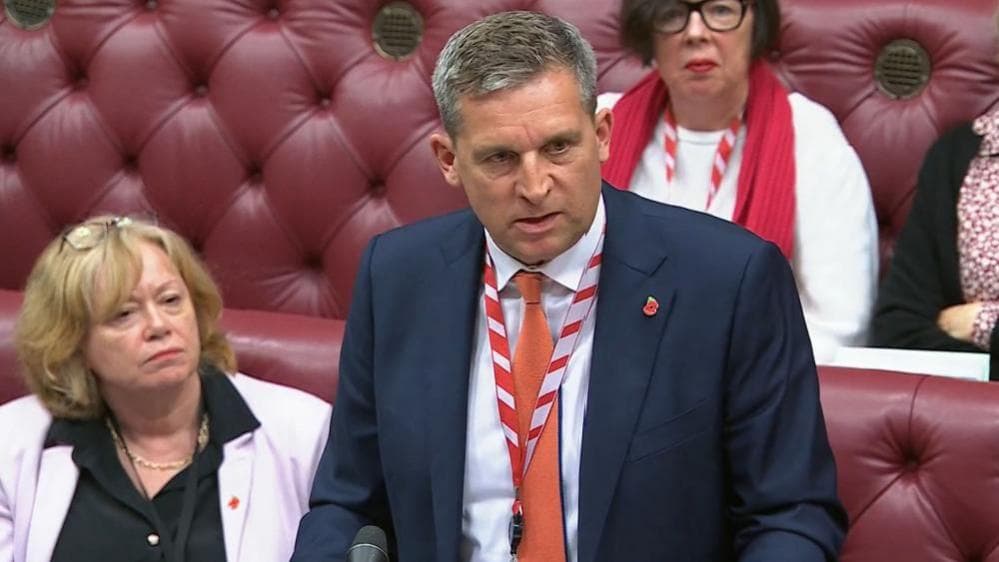
Lord Timpson is stepping down as prisons minister after less than a year in the post, leaving a justice system still wrestling with overcrowding, rehabilitation and a series of mistaken prisoner releases. The businessman said it was an “honour” to serve, but he has concluded he has achieved all he can in the role.
Sir Keir Starmer appointed Timpson in July 2024 as Minister of State for Prisons, Probation and Reducing Reoffending, backing the Timpson Group boss because he “walks the walk”. Timpson built his reputation by employing former prisoners, and that background made him one of the most unusual ministerial appointments in the prison brief. His departure now raises the question of whether the agenda was completed, blocked by the scale of the crisis, or pushed aside by the politics of a system that has long resisted reform.

Timpson has been one of the most outspoken voices in the ministry on why prisons are under such strain. He said the release of prisoners in error was linked to a “lack of investment in digital technology”, arguing that the state’s basic systems were not fit for purpose. He also said more offenders could be tagged rather than sent to prison, while insisting he was not “soft on crime”. In his own words, the justice system is “in a complete mess”, with too many people reoffending and too few effective alternatives to custody.
The numbers underline why the post has been so difficult. Latest annual figures show 262 prisoners in England and Wales were freed by mistake in the 12 months to March, up 128%. More than 90 prisoners were then freed by mistake between April and October 2025. Reuters has described the wrongful releases as part of a worsening crisis, and the figures have sharpened concern that overcrowding, weak technology and administrative failure are combining to overwhelm the system.
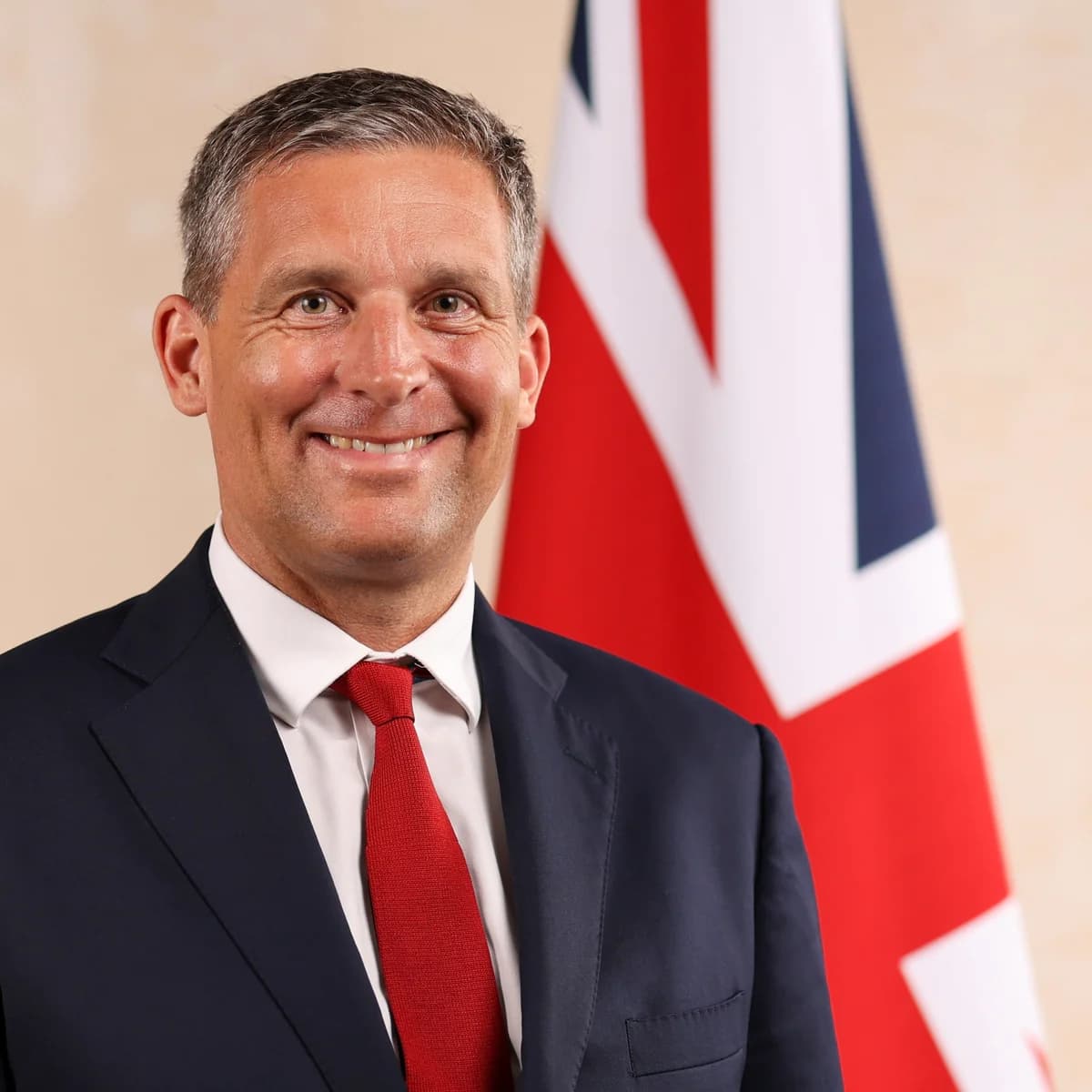
Timpson has also backed the need for more prisons to be built, even as he argued for greater use of tagging and rehabilitation. The contrast captures the limits of the job itself: one minister can push for better technology and different sentencing choices, but the prison estate remains under pressure and the probation system still struggles to cut reoffending.

The wider instability of the brief is stark. The House of Lords has said there have been 25 prisons ministers since 1990, a record that points to how often the role changes hands before reforms can settle. Timpson’s exit suggests that, for all the rhetoric about fixing prisons, delivery remains the hardest part.
This article was produced by Prism’s automated news system from verified source data, official records, and press releases, then run through automated quality and moderation checks before publishing. The system is built and supervised by the people who set the standards it runs under. Read our full AI policy.
Did this article answer your question?