Loro Piana, The Row and Bottega Veneta Redefine Quiet Luxury in 2026
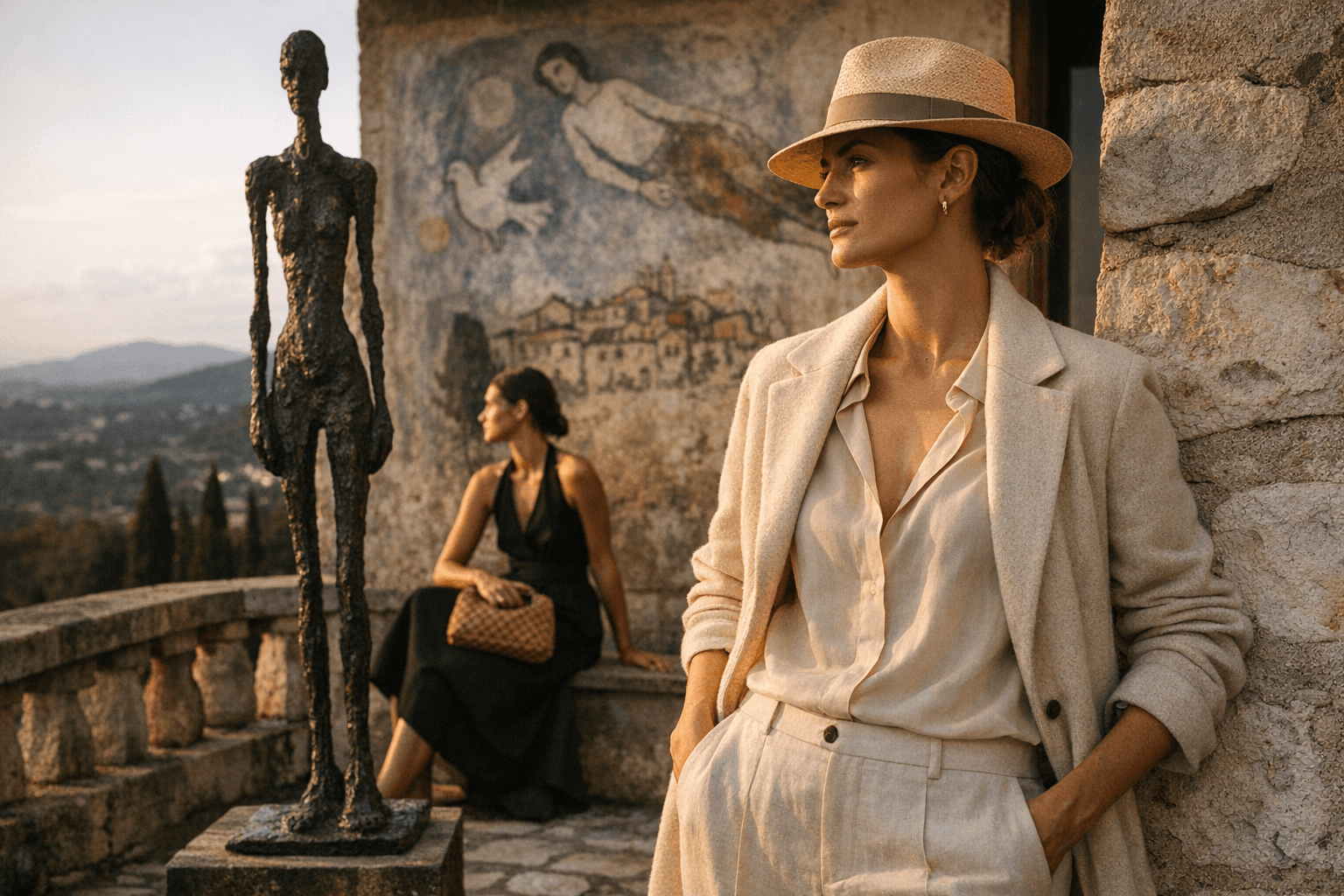
Saint‑Paul‑de‑Vence anchors Loro Piana’s spring 2026 campaign. Mario Sorrenti staged models amid Chagall frescoes, a Giacometti sculpture and Miró’s labyrinth.
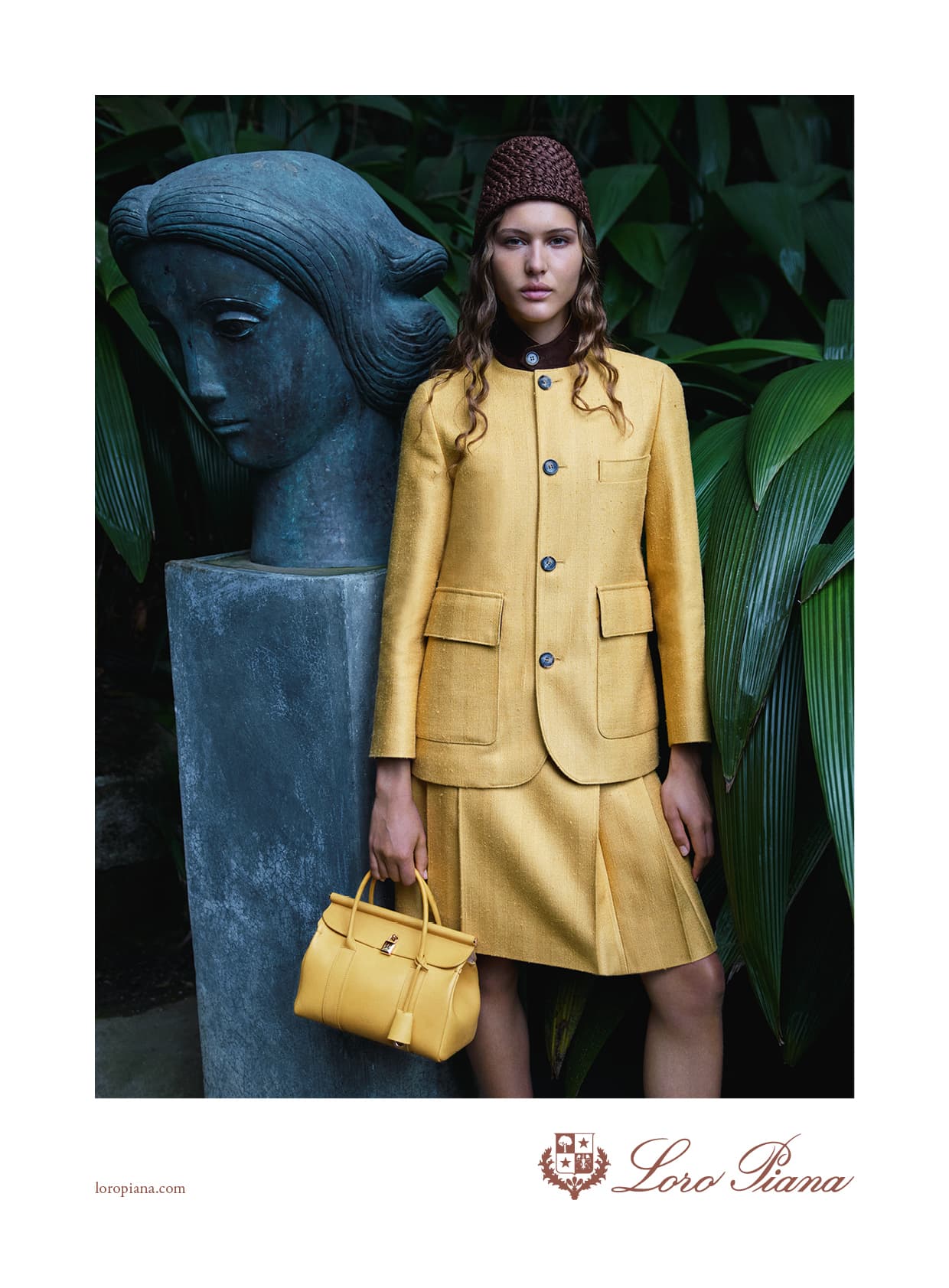
Quiet luxury in 2026 centers on craft and silence rather than logos, a shift traced in an explainer published Feb. 19 that defines the movement as “an emphasis on craftsmanship, high-quality materials and restraint instead of visible logos.” IBTimes echoes that framing, calling quiet luxury “a philosophy of style that prizes subtlety, craftsmanship, and enduring value over flashy logos or short-lived trends,” language that designers and houses have adopted across campaigns and commentary this season.
Loro Piana’s spring 2026 campaign crystallizes that turn toward art‑inflected restraint. WWD reports photographer Mario Sorrenti shot the campaign in Provence, staging images in Saint‑Paul‑de‑Vence at the Colombe d’Or hotel and the Fondation Maeght. Models Jacqui Hooper, Long Li, Vasko Luyckx, Awar Odhiang and Binx Walton appear “between a fresco by Chagall and a sculpture by Giacometti,” posed at the center of a labyrinth designed by Miró and photographed inside the foundation’s private library. Sorrenti described the setting bluntly: “Saint‑Paul‑de‑Vence with the Colombe d’Or and the Fondation Maeght was the perfect canvas for the summer/spring 2026 advertising campaign, a timeless landscape where art, nature and family come together.”
Industry snapshots and brand lists have followed the imagery with market framing. Vertu published a “Top 10 Old Money Luxury Brands Defining Timeless Style in 2026,” placing Loro Piana at number one and The Row at number five, and naming Brunello Cucinelli, Hermès, Patek Philippe, Goyard, Delvaux, Canali, Valextra and Charvet among the ten. Vertu positions this resurgence as “not just a fashion trend; it is a response to ‘consumer fatigue,’” an editorial argument used to explain why collectors and new buyers alike are gravitating toward restraint.
Market commentary from Sociallifemagazine reinforces the material focus. Its “Quiet Luxury Brands: The Complete Insider’s Guide” asserts that “quiet luxury focused brands like Loro Piana and The Row prioritize premium fabrics 61% more than traditional luxury brands,” and highlights Max Mara’s relative accessibility as evidence that the aesthetic appeals to younger luxury consumers. Those numeric and comparative claims are presented as market data in Sociallifemagazine’s guide and have already shaped conversations about where premium material investment is concentrated.
Designer voices are parsing what that investment means for craft. Esquire reports Jonathan Anderson, newly appointed creative director of menswear and womenswear at Dior, speaking about tailoring and the role of design in an AI era: “I think we need to work out what our tailoring is today and where it’s going in the next three years,” he said, later adding, “I think AI will make the hand of the designer more valuable.” Anderson’s remarks — and his references to collaborators from Loewe such as Drew Starkey and Josh O’Connor — place tailoring and made work at the center of quiet luxury’s future.
Taken together, campaign staging, curated brand lists and designer commentary map how quiet luxury has moved from niche signifier to mainstream shorthand in 2026. Loro Piana’s Provence images, Vertu’s Top 10 roster and Sociallifemagazine’s material metrics each emphasize craft, premium materials and visual restraint as the markers of wealth that no logo needs to announce. Notably, some curations diverge — Vertu’s Top 10 does not include Bottega Veneta — underscoring that the movement’s shape remains subject to different editorial and market definitions even as its aesthetic vocabulary hardens.
Know something we missed? Have a correction or additional information?
Submit a Tip