Los Angeles rebuild lags after wildfires, speed outpaces safety concerns
Fewer than a dozen Los Angeles County homes had been rebuilt by January, even after a firestorm that killed 31 people and destroyed about 13,000 residential properties.

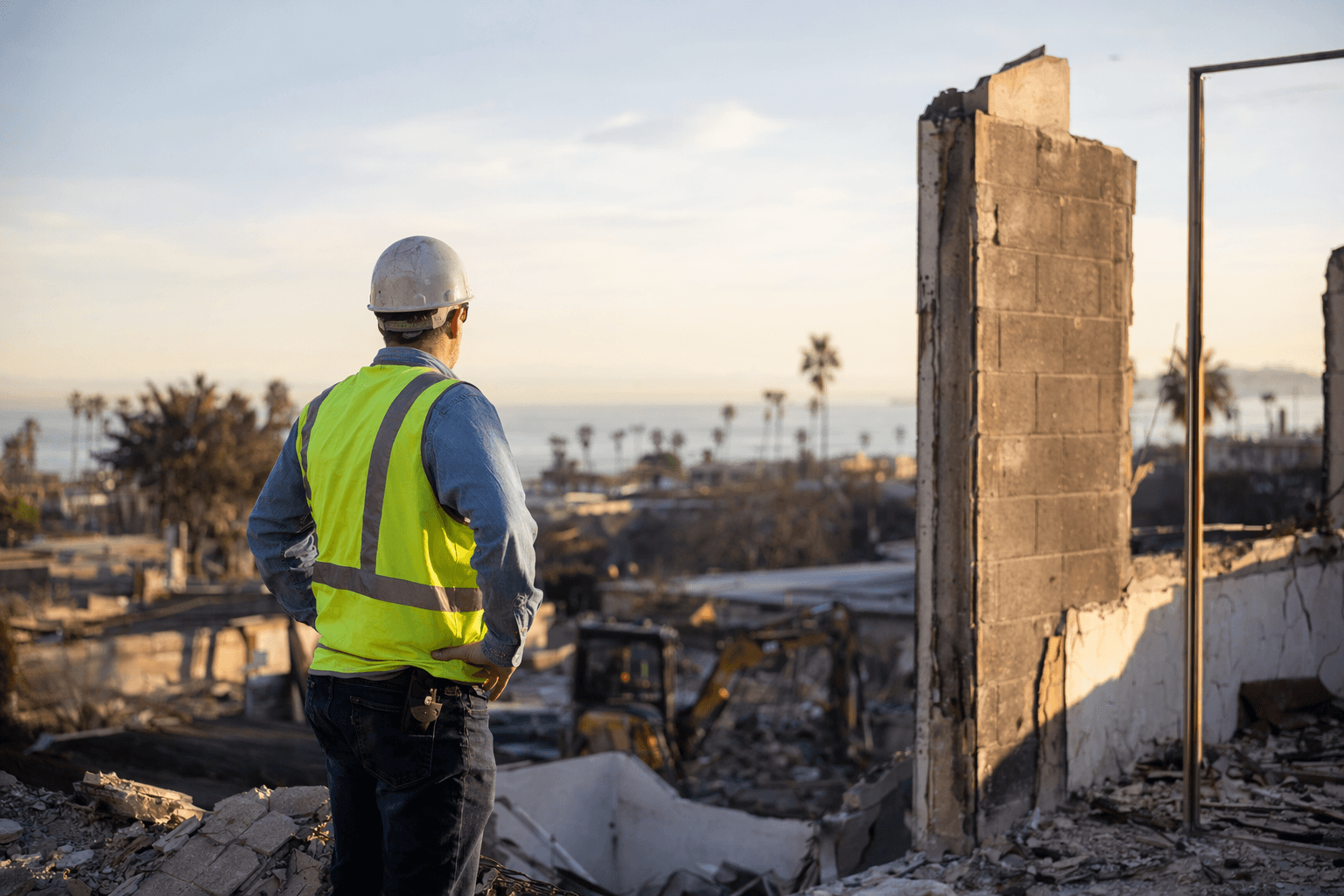
A year after the Palisades and Eaton fires tore through Los Angeles, fewer than a dozen homes had been rebuilt in the county, a stark measure of how recovery has lagged even as officials pushed to move faster. The January 7, 2025 firestorm burned more than 47,900 acres statewide, destroyed or damaged more than 16,250 structures, and killed 31 people, leaving neighborhoods in Pacific Palisades, Altadena and Malibu facing the same question: rebuild quickly, or rebuild differently.
The Palisades Fire alone burned 23,448 acres, destroyed 6,837 structures, damaged 973 more and killed 12 people, according to Los Angeles County. Cleanup took about seven months, but by January 2026 the broader rebuild had barely started, despite the fires destroying about 13,000 homes and other residential properties. For many survivors, the biggest obstacle was not only debris removal or permit paperwork but money. Insurance payouts often fell short of construction costs, while delayed claims, labor shortages and rising prices slowed work further.
State and city leaders responded with emergency measures designed to clear the path. Gov. Gavin Newsom issued executive orders on January 12, 2025, and later expanded them to suspend some CEQA and Coastal Act permitting requirements for eligible rebuild projects. His office also directed agencies to identify additional permitting requirements, including provisions of the Building Code, that could safely be suspended or streamlined to make rebuilding faster and more affordable. The orders extended price-gouging protections on building materials and related services through January 7, 2026 in Los Angeles County.
Mayor Karen Bass took a similar approach in the city. In April 2025, she issued Emergency Executive Order No. 7 to suspend collection of plan check and permit fees while the City Council considered a formal ordinance. The council later moved to waive permit-related fees for properties damaged or destroyed by the January 2025 wildfires. City officials kept permits moving while pausing some costs, a sign that speed had become the organizing principle of the response.
That speed, however, has fueled a deeper debate about whether Los Angeles is rebuilding resilience or recreating the conditions that made the fires so destructive. Experts and advocates have warned that replacing what burned, without stronger standards, could leave the next generation of homes exposed to the same wildfire risk. Resilience-focused groups, including the U.S. Green Building Council California and others working with guidance such as the California Wildfire Rebuilding Guide, have pushed for safer rebuilding choices on materials, design and site planning. The city and county now face a basic test: whether recovery restores housing fast enough to bring people home without locking in yesterday’s vulnerabilities.
This article was produced by Prism’s automated news system from verified source data, official records, and press releases, then run through automated quality and moderation checks before publishing. The system is built and supervised by the people who set the standards it runs under. Read our full AI policy.
Did this article answer your question?