Mother's Day at South Dakota sanctuary, mares nurture foals in the wild
Mares and foals marked Mother’s Day in the Black Hills, where a 11,000-acre sanctuary has sheltered more than 600 rescued mustangs since 1988.
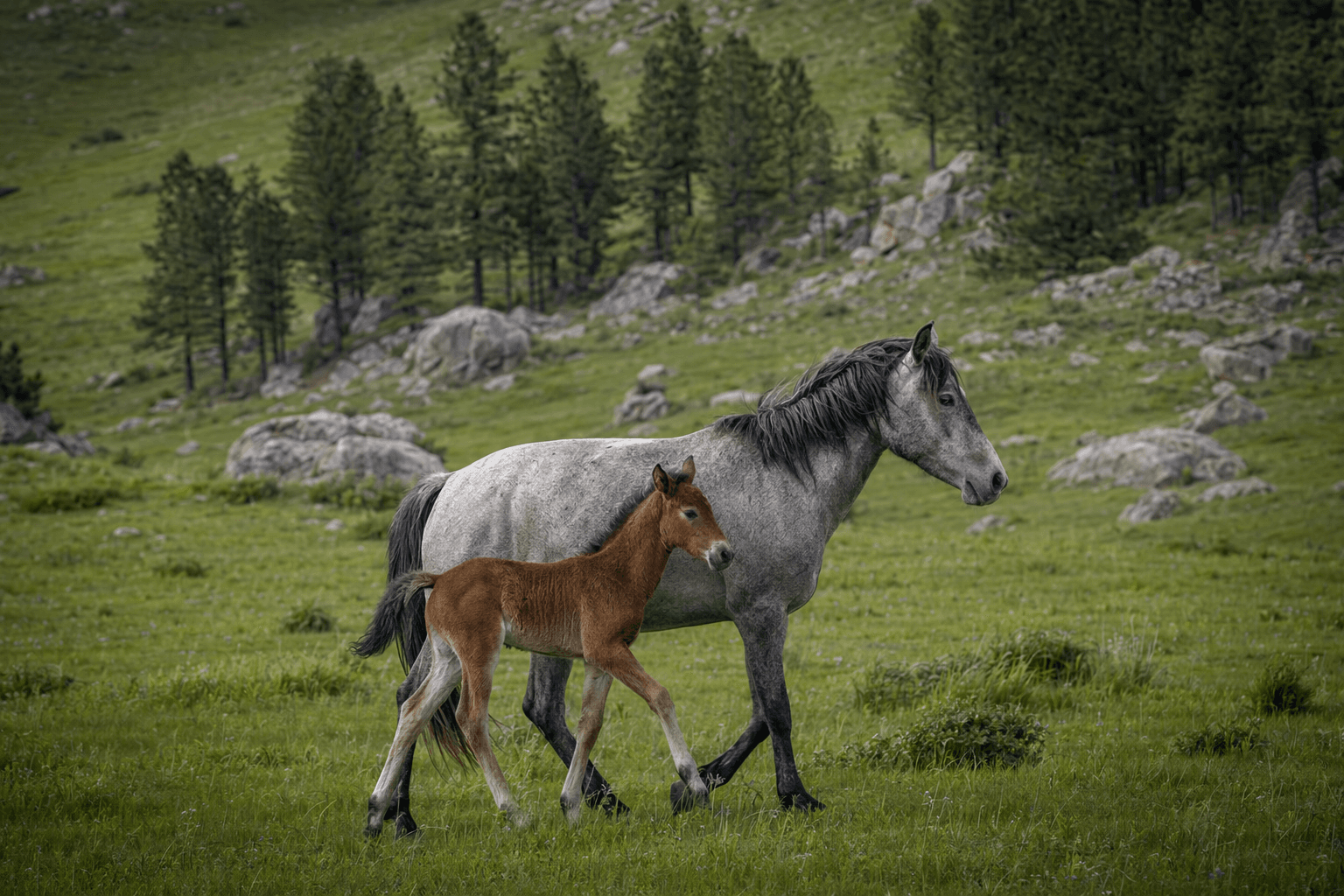
The foals stayed close to their mares on a stretch of Black Hills grassland in Hot Springs, South Dakota, a quiet Mother’s Day tableau that also pointed to a larger national question: where wild horses belong, and who pays to keep them there.
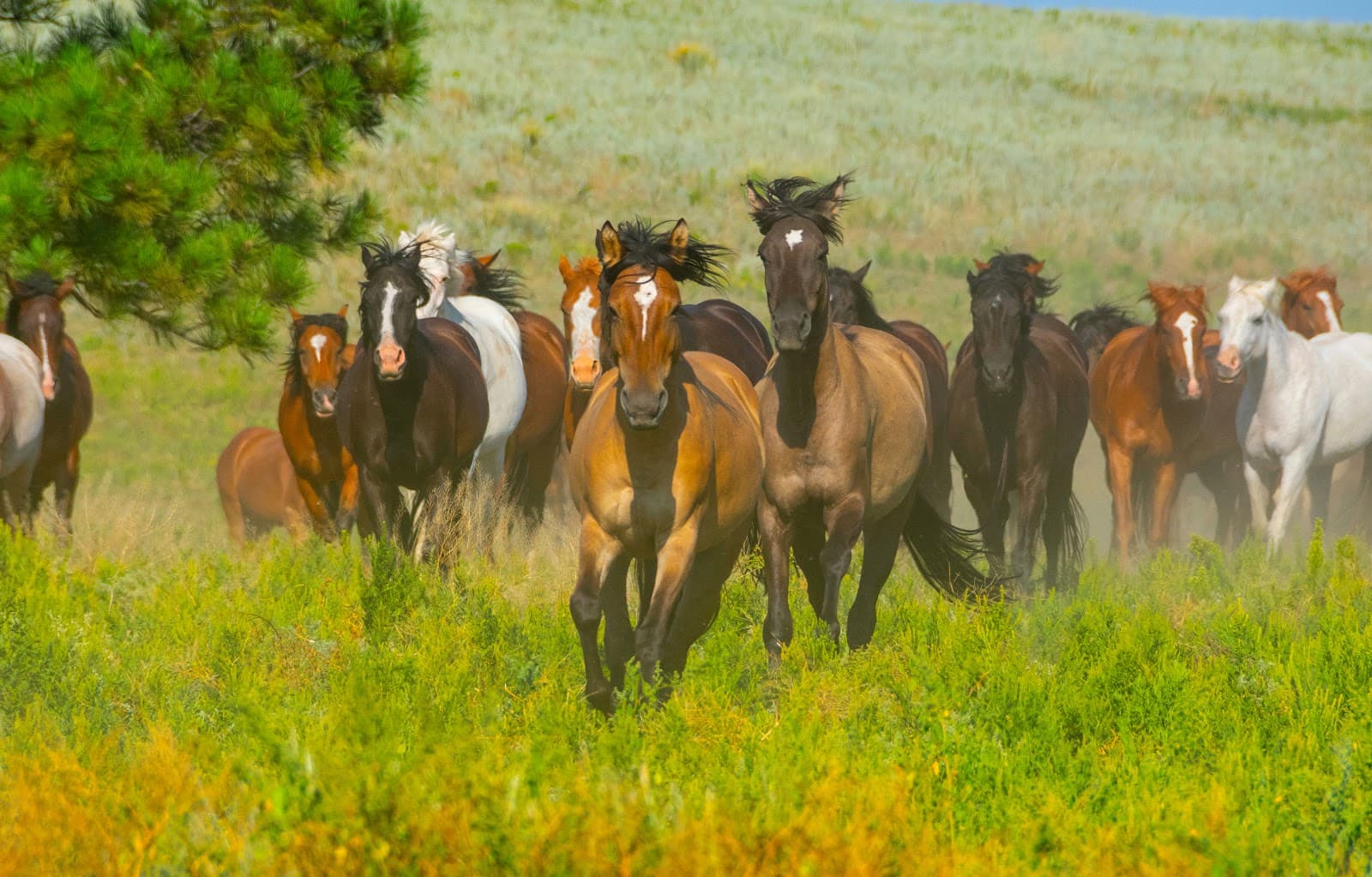
Black Hills Wild Horse Sanctuary now serves as a permanent home for more than 600 rescued mustangs on 11,000 preserved acres. The land reaches from prairie grasslands into canyons and pine forest, with habitat along the Cheyenne River, and the sanctuary says it also supports endangered species and native plants.
The preserve was founded in 1988 by Dayton O. Hyde through the Institute of Range and the American Mustang, or IRAM. South Dakota Public Broadcasting has described Hyde’s mission as giving wild horses a place to roam free, safe from starvation, thirst and human harm, a goal that still defines the sanctuary’s role today.
The herd reflects that broad vision. Among the horses are Spanish Mustangs, Choctaw Ponies, Curly Horses, Adobe Town Appaloosas and American Mustangs, a mix that turns the sanctuary into both refuge and living archive of the American West. The sanctuary says its guided tours run from May through September, allowing visitors to see the landscape and the horses without disturbing the long-term care that keeps the herd fed and healthy.
That care depends on money as much as acreage. The sanctuary says funding for horse care goes toward hay, water systems, mineral supplements and veterinary care, the basic costs of sustaining animals across a large, preserved range. In that sense, the Black Hills site illustrates the trade-offs at the center of wild-horse stewardship: open land is only part of the answer, and permanent protection requires steady institutional support.
As the national debate over herd management and federal policy continues, the sanctuary stands as a practical model for one approach and a reminder of its limits. It shows that rescued mustangs can live in large, protected habitat under human oversight, but it also underscores how much land, infrastructure and financing are needed to make that promise real.
This article was produced by Prism’s automated news system from verified source data, official records, and press releases, then run through automated quality and moderation checks before publishing. The system is built and supervised by the people who set the standards it runs under. Read our full AI policy.
Did this article answer your question?