Louisiana leaders weigh postponing House primaries after Supreme Court map ruling
Absentee ballots were already out when Louisiana leaders moved to halt House primaries after the Supreme Court struck down the state’s congressional map.
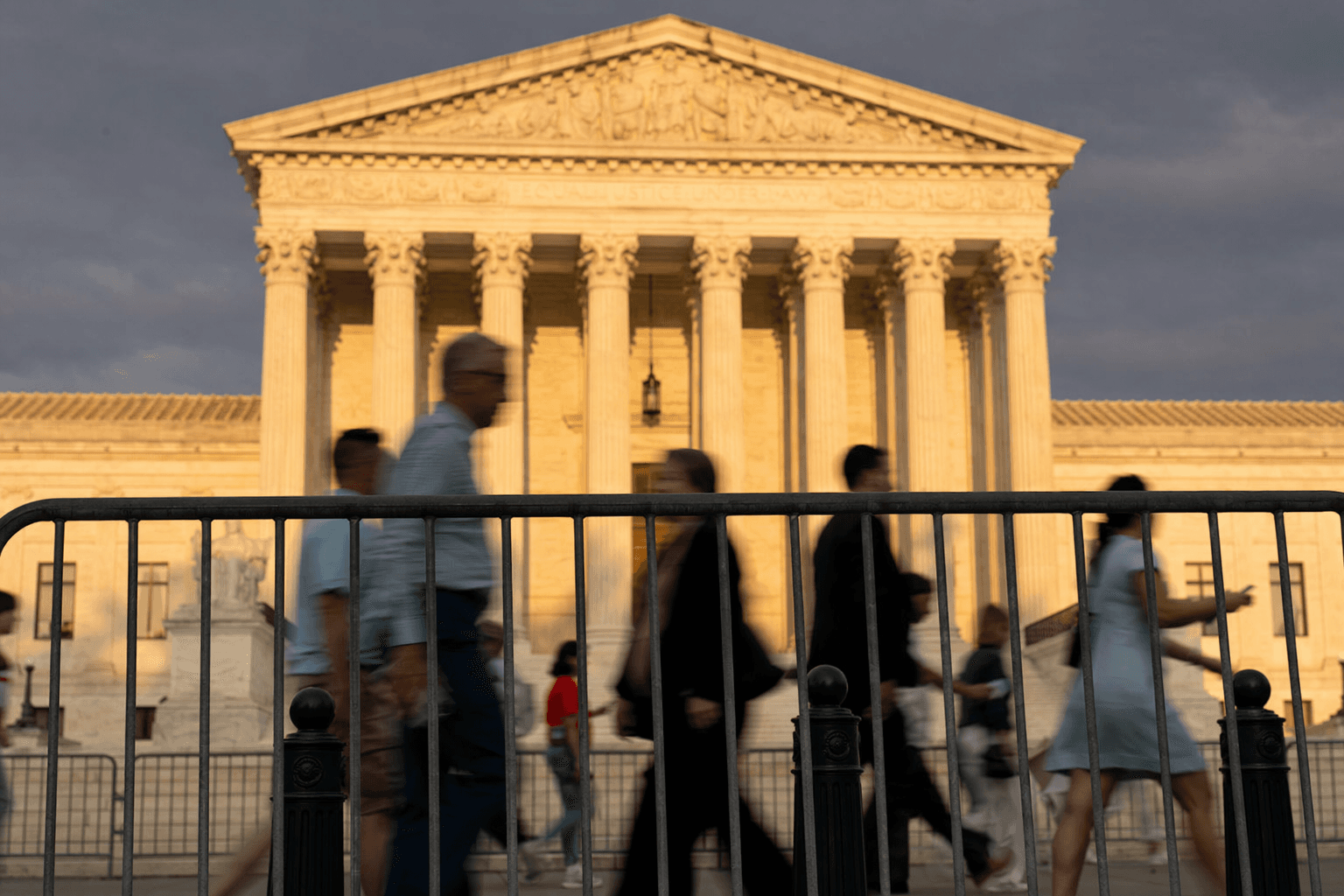
Louisiana’s congressional primaries were thrown into legal and logistical limbo just as early voting was set to begin and absentee ballots were already in voters’ hands. Gov. Jeff Landry and Attorney General Liz Murrill said the May 16 elections for the state’s six U.S. House seats would not proceed as scheduled after the Supreme Court invalidated Louisiana’s current map.
The court’s 6-3 ruling in Louisiana v. Callais, issued April 29, found that the state’s 2024 congressional plan used race too heavily when it created a second majority-Black district. That map had been adopted after a federal court said a 2022 version with only one majority-Black district likely violated Section 2 of the Voting Rights Act. Louisiana’s redistricting fight has long centered on the state’s six House seats and on the fact that Black residents make up more than one-third of the voting-age population.
The timing left election administrators scrambling. Early voting was scheduled to start Saturday, May 2, and absentee ballots had already been mailed before the ruling, raising the possibility that some votes had already been cast under a map the court rejected. Landry and Murrill said the state was currently barred from carrying out congressional elections under the existing map and were working with the Legislature and Secretary of State Nancy Landry on a path forward.
Lawmakers quickly began weighing whether the primaries could be postponed at all. Louisiana Senate redistricting chairman Caleb Kleinpeter, a Republican from Port Allen, said legislators were discussing options but offered no specifics. Sen. Royce Duplessis, a Black Democrat from New Orleans, publicly questioned whether it would be lawful to postpone elections that were already underway, underscoring the uncertainty facing candidates, voters and local election workers.
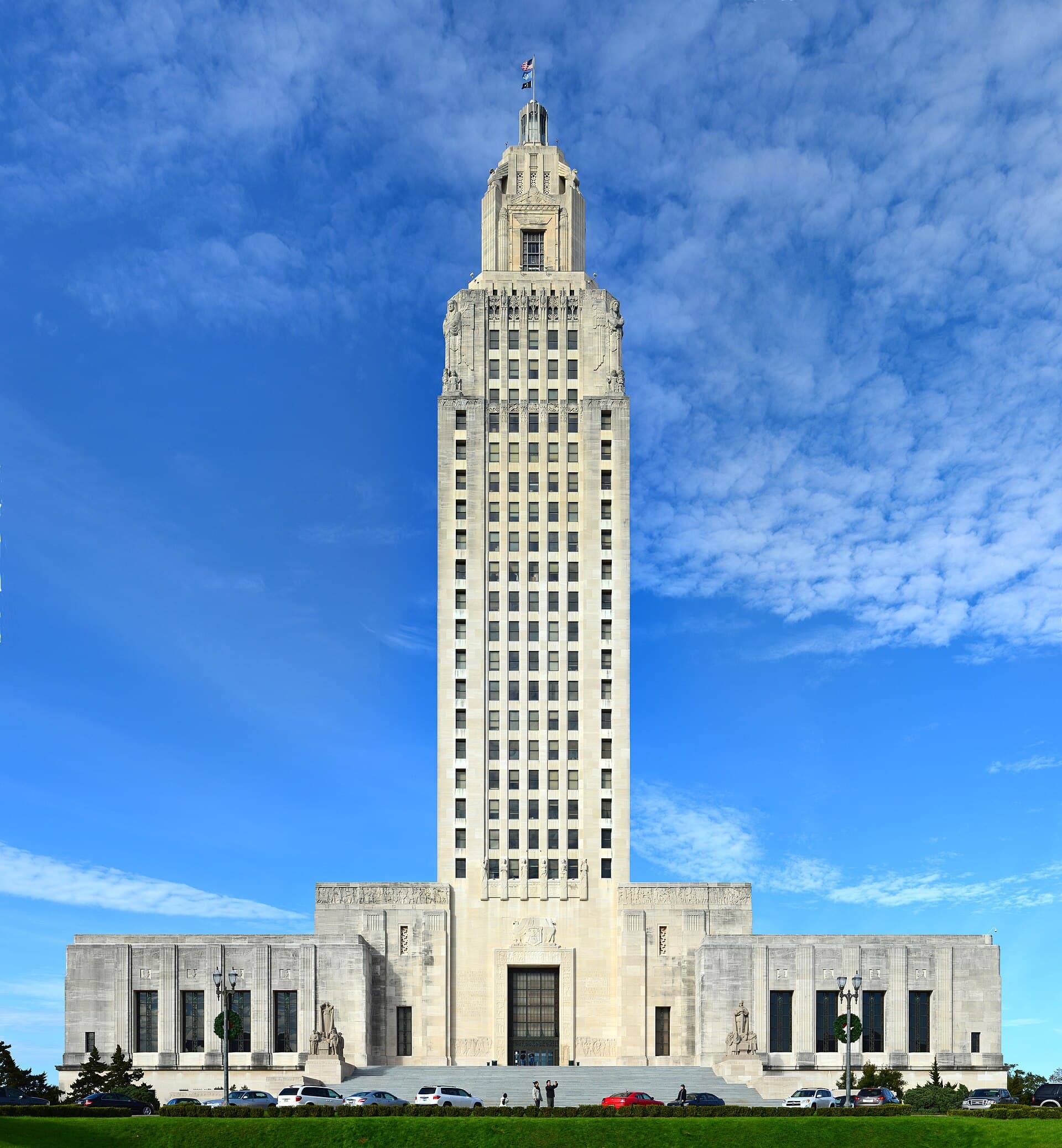
The ruling reaches beyond Louisiana’s immediate calendar. Voting-rights advocates and dissenting justices said the decision narrows how Section 2 can be used in redistricting cases, potentially making future minority vote-dilution challenges harder to win. Justice Samuel Alito wrote the majority opinion, while Justice Elena Kagan dissented, joined by Justices Sonia Sotomayor and Ketanji Brown Jackson. For Louisiana, the practical problem is immediate: a state required to redraw maps while trying to decide whether the election clock can legally keep running.
This article was produced by Prism’s automated news system from verified source data, official records, and press releases, then run through automated quality and moderation checks before publishing. The system is built and supervised by the people who set the standards it runs under. Read our full AI policy.
Did this article answer your question?

