Mills exits Maine Senate race, Schumer’s top recruit falters
Janet Mills quit the Maine Senate race after saying she lacked the money to continue, handing Chuck Schumer a rare setback in a race he treated as a majority-making bet.
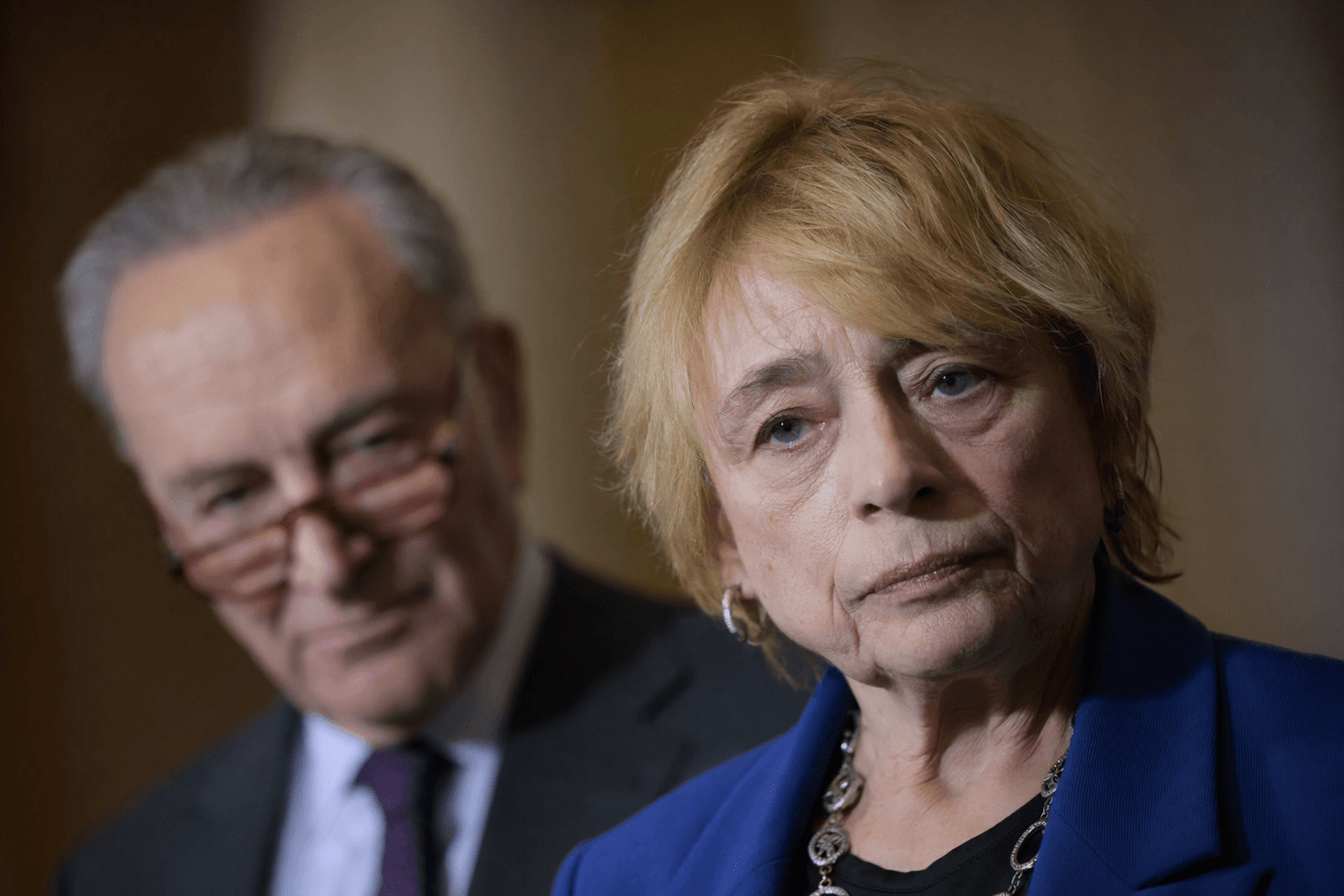
Janet Mills’ withdrawal from the Maine Senate race landed as a direct challenge to Chuck Schumer’s belief that Washington can still build a winning coalition around a handpicked recruit. The two-term governor and former attorney general suspended her campaign on April 30, saying she lacked the financial resources to continue, and with that the Democratic Party’s top Maine bet fell apart.
Schumer, the New York Democrat and minority leader, had considered Mills his top recruit for winning back the Senate majority. The Democratic Senatorial Campaign Committee backed her entry last year, and party leaders viewed the former governor and district attorney as one of their strongest 2026 additions against Susan Collins, the Republican incumbent who has made Maine one of the party’s most closely watched targets.
The collapse was not sudden. An Emerson College Polling survey released March 26 showed oyster farmer Graham Platner leading Mills 55 percent to 28 percent in the Democratic primary. Other reporting had already placed Mills behind Platner, a political novice who built his campaign around a more insurgent, progressive message. Her exit now appears to clear the lane for Platner to become the Democratic nominee in the June 9 primary.
That outcome would mark more than a candidate swap. It would sharpen an internal Democratic argument over whether party leaders are misreading what voters in competitive states actually want. Mills fit the establishment model: a sitting governor with a long record in Maine politics and the full confidence of Schumer’s Senate operation. Platner fits the opposite profile, a less experienced outsider whose appeal seems tied less to institutional pedigree than to anti-establishment energy.

The stakes are high because Collins is the only Republican senator representing a state won by Kamala Harris in 2024. Maine therefore sits at the center of the party’s effort to retake the majority. The contrast with 2020 is stark. Collins won reelection by 9 points over Democrat Sara Gideon even as Joe Biden carried Maine by 9 points that same year, a reminder that presidential margins do not guarantee Senate success.
After Mills exited, Schumer and Kirsten Gillibrand said they would work with Platner, and Collins offered Mills a brief thank-you for her decades of service. The swift pivot to the new front-runner may keep Democrats unified for now, but it also underscores the risk inside Schumer’s recruitment model: a prized establishment candidate can still falter when the electorate wants something else.
Sources:
Know something we missed? Have a correction or additional information?
Submit a Tip