Hegseth blasts congressional critics as war and budget hearings collide
Pete Hegseth turned back-to-back budget hearings into a defense of the Iran war, while Congress struggled to press him on costs, strategy and authority.
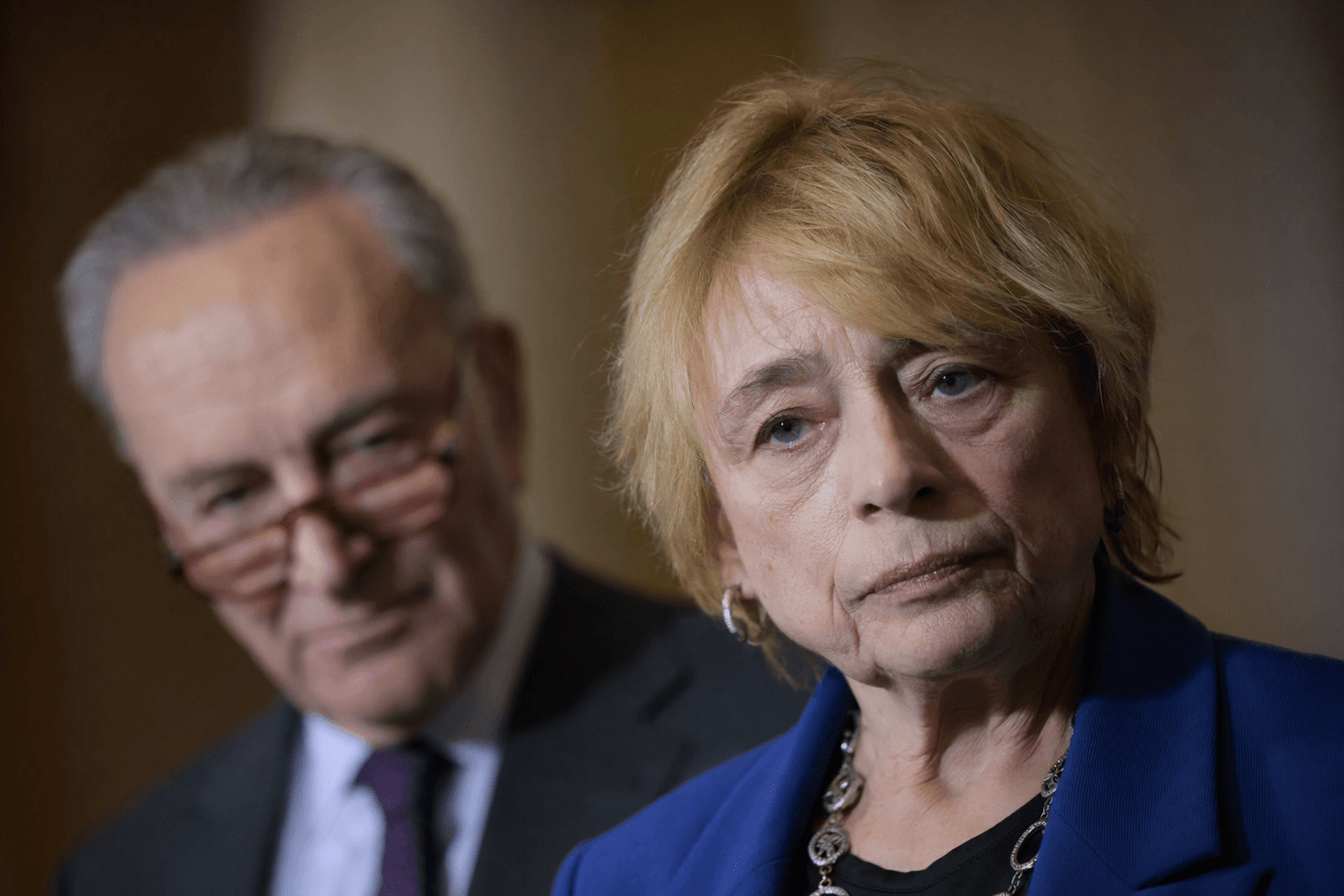
Pete Hegseth used back-to-back Capitol Hill hearings to cast congressional skeptics not as watchdogs but as threats, sharpening the fight over who gets to question the Iran war as it stretches into its third month. Before the House Armed Services Committee on April 29 and the Senate Armed Services Committee on April 30, the defense secretary attacked critics in Congress as the “biggest adversary” the United States faces, calling their criticism “reckless, feckless and defeatist.”
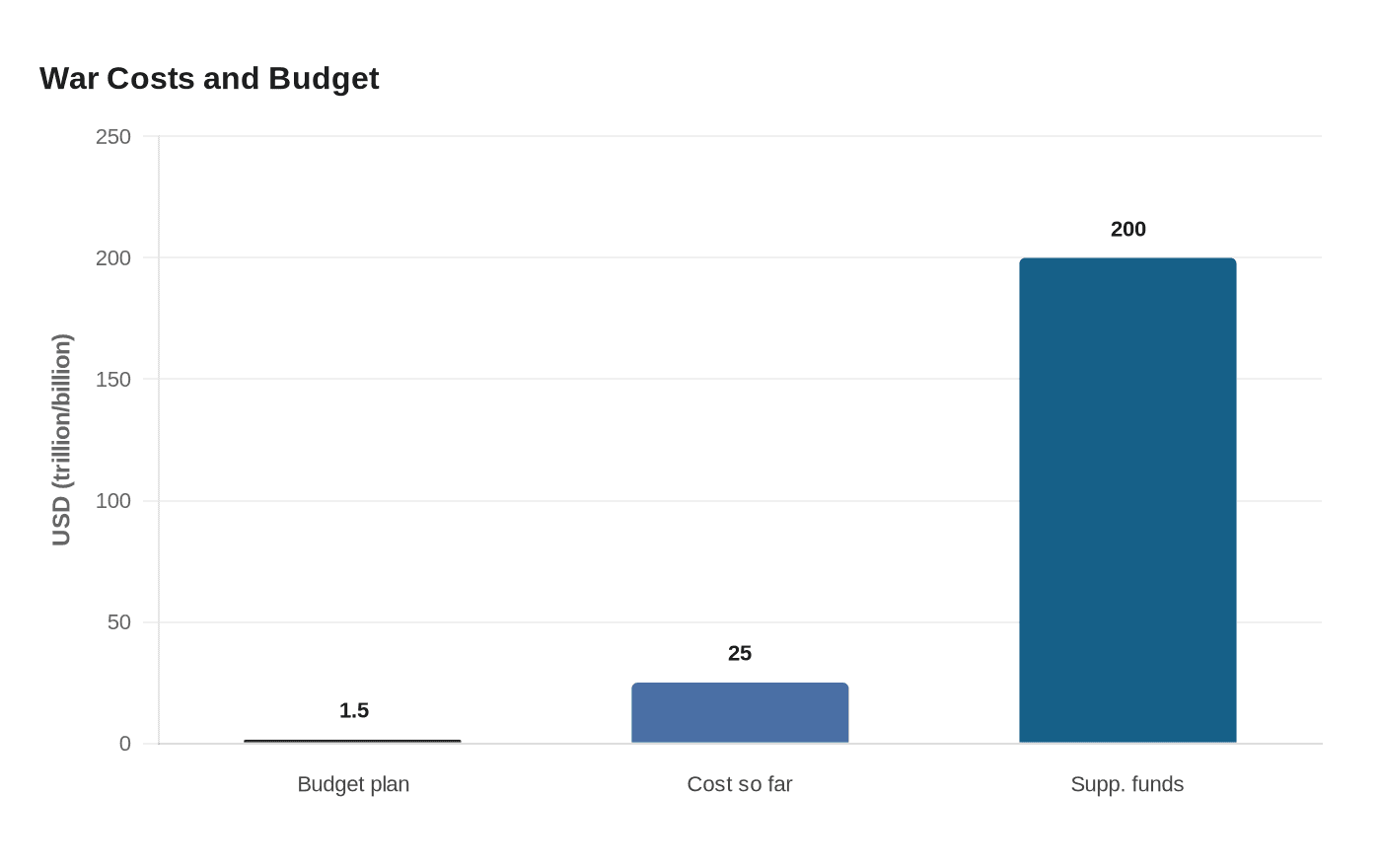
The hearings were supposed to focus on the Pentagon’s 2027 budget request, a $1.5 trillion plan described as the largest requested defense budget in decades. Instead, the war in Iran dominated both sessions. Hegseth told Sen. Richard Blumenthal that “defeatist Democrats” were clouding Americans’ understanding of the conflict, and he repeated the same message to lawmakers who pressed for a clearer endgame, a lawful basis for the campaign and a fuller accounting of the costs.
That accounting was already significant. Pentagon comptroller Jules Hurst III testified that the war had cost about $25 billion so far, with most of the spending going to munitions. The Pentagon said it would seek about $200 billion in supplemental funding for the campaign, although Hegseth later disputed that figure. The scale of the bills underscored how quickly the conflict had become a budgetary issue as much as a military one.
The war began in February and had lasted about two months by the time Hegseth faced Congress. President Donald Trump had said at the outset that it would be over within weeks, but the conflict had instead deepened into a regional operation with major economic fallout. CNBC reported that vessel traffic through the Strait of Hormuz had been choked, helping drive global economic turmoil, while AP reported that fuel prices had risen as the United States imposed a Navy blockade of Iranian shipping and built up forces in the region.
Congress has so far failed to advance war-powers resolutions that would have forced Trump to halt the fighting without legislative authorization. That failure left lawmakers with hearings as one of the few remaining venues to demand answers on strategy, costs and constitutional limits. Republicans largely backed the administration, but some still questioned the war’s duration, its price tag and its end state. Public opinion has moved in the other direction: PBS reported that a majority of Americans disapproved of the conflict and of the administration’s handling of it.
Hegseth framed the war as a historic effort to block Iran from obtaining a nuclear weapon and praised Trump’s “ironclad” resolve. But the sharper signal from the hearings was institutional, not rhetorical: as the war continues, the administration appears increasingly unwilling to treat scrutiny from Congress as a constitutional duty rather than an act of disloyalty.
Know something we missed? Have a correction or additional information?
Submit a Tip