Louisiana nears $4.8 million settlement in Ronald Greene death case
A tentative $4.8 million deal would close Ronald Greene’s federal death lawsuit, but it would not answer the wider questions of force, cover-up and accountability.

Louisiana’s tentative $4.8 million settlement with Ronald Greene’s family would end the federal wrongful-death case, but it would not settle the deeper question at the heart of the case: what accountability looks like when a Black motorist dies after a violent arrest and the official explanation first pointed away from police conduct.
Greene died on May 10, 2019, after a high-speed chase and traffic stop near Monroe and Farmerville in northeast Louisiana. Body-camera video later showed five white officers stunning, punching, pepper-spraying and dragging him while he was restrained. Louisiana authorities initially said Greene died in a crash, a claim that became central to the fury surrounding the case once the footage and later investigations drew a very different picture.
The settlement comes after years in which Greene’s family, led by Mona Hardin and represented by attorney Ben Crump, pressed for answers in a case that became one of Louisiana’s most closely watched police-custody deaths. It also arrives against the backdrop of allegations that some officers and supervisors worked to obscure what happened after Greene was taken into custody. The family’s civil lawsuit has remained one of the main avenues for forcing the state to confront the arrest itself, even as criminal accountability has moved on a separate and narrower track.
Federal prosecutors told Greene’s family on January 14, 2025, that they would not bring charges, effectively closing a lengthy FBI criminal probe into the death and related cover-up allegations. Two days later, on January 16, 2025, the Justice Department said Louisiana State Police engaged in a pattern or practice of excessive force and racially discriminatory policing, citing unjustified Taser use and the escalation of minor encounters. That finding widened the significance of Greene’s case beyond one arrest, placing it inside a broader federal critique of how state troopers used force.
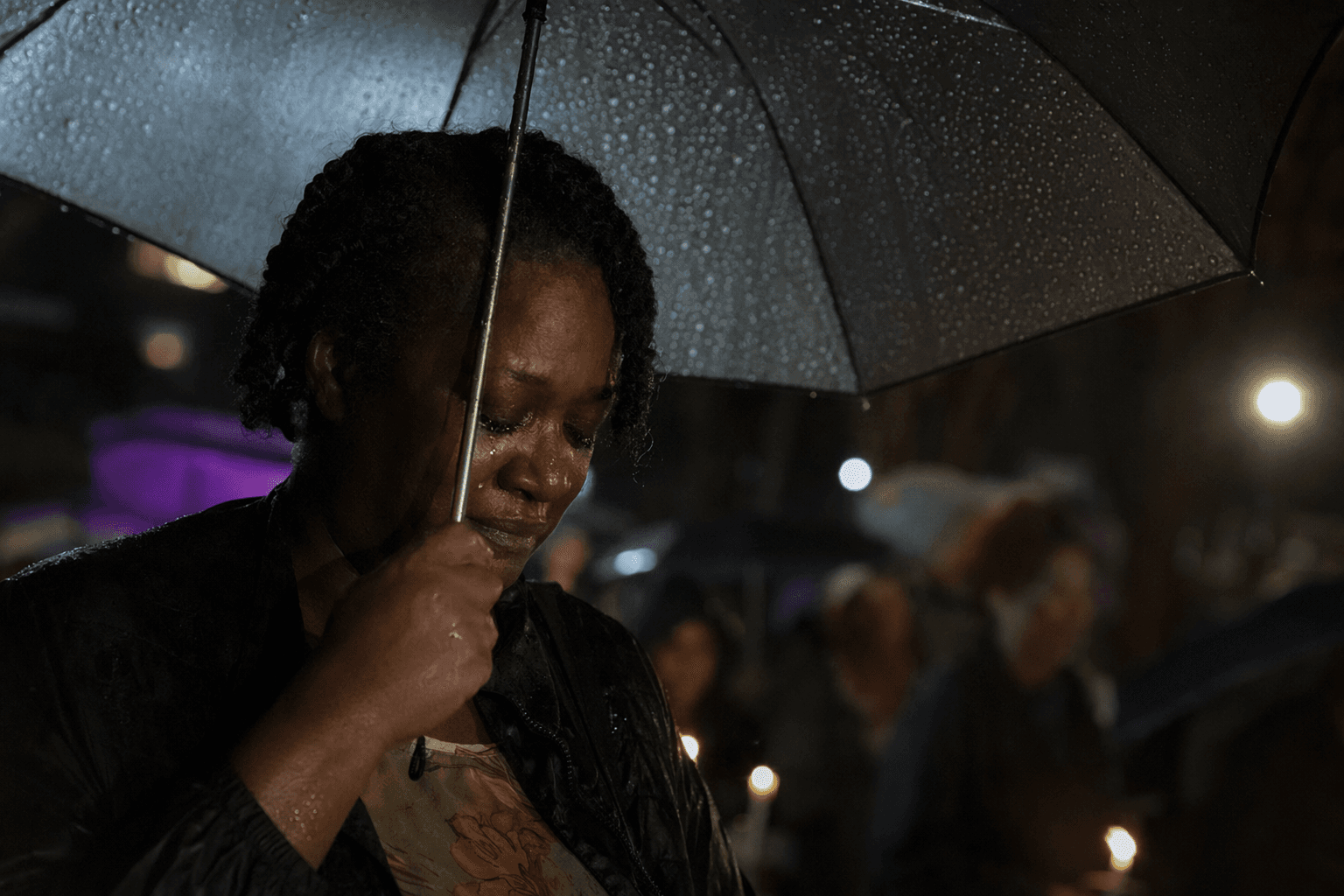
The Greene case has already led to state and federal criminal proceedings against multiple Louisiana law enforcement officers, but the settlement underscores how often civil payouts become the final visible consequence in cases where families still say the truth has not been fully answered. A candlelight vigil marking seven years since Greene’s death was held on May 10, 2026, a reminder that the case remains alive in public memory even as the legal system inches toward closure.
This article was produced by Prism’s automated news system from verified source data, official records, and press releases, then run through automated quality and moderation checks before publishing. The system is built and supervised by the people who set the standards it runs under. Read our full AI policy.
Did this article answer your question?

