Louisiana Rampage Kills Eight Children Amid Domestic Violence Crisis
Eight children, ages 1 to 14, were killed in a Louisiana shooting that left 10 victims total, exposing failures in mental-health and domestic-violence intervention.
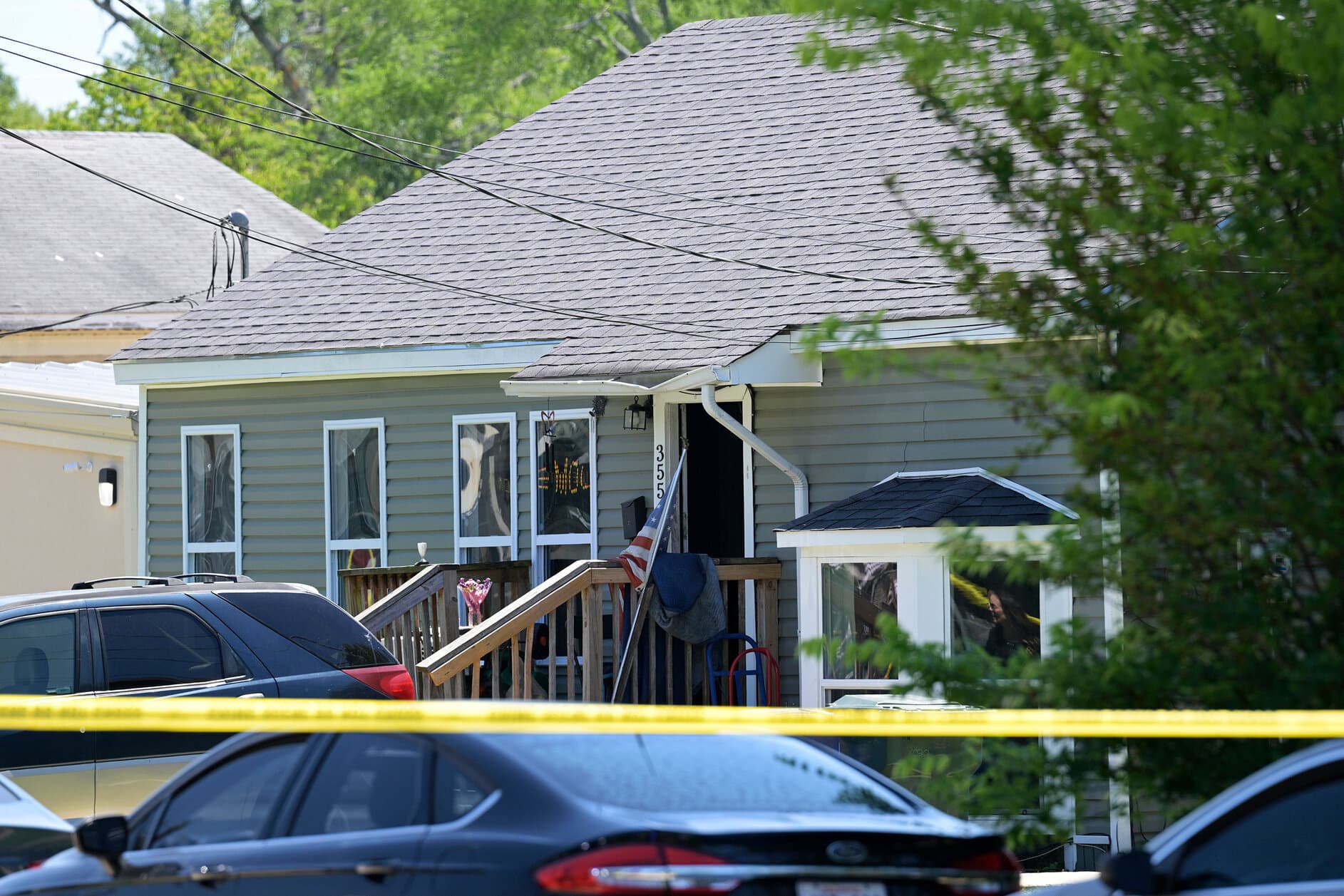
The shooting that killed eight children, ages 1 to 14, left 10 people shot and deepened a sense of grief in a state already straining under domestic violence and recurring family crises.
Shamar Elkins’ family said he had been suffering severe mental health problems, and they described his threats to himself and others as warning signs that should not have been ignored. Their account has pushed the case beyond a single act of violence and into a broader debate over how families, neighbors, clinicians, and law enforcement respond when a person appears to be escalating toward danger.
Louisiana has been described as a state where residents are more likely to be murdered by an intimate partner than in almost any other state. Domestic violence is also among the top reasons people call New Orleans 911, a sign of how often abuse surfaces first as an emergency call rather than through a coordinated intervention. In another tally cited in local reporting, the Louisiana Coalition Against Domestic Violence said the state ranked fifth in the nation for the highest number of female-involved homicides.
Those numbers frame a system that often recognizes violence only after it has intensified. In New Orleans, the Advocate Initiated Response program was launched in 2022 and expanded to all eight New Orleans Police Department districts in 2024, part of an effort to connect victims with help before abuse turns fatal. The New Orleans Health Department has also been part of the city’s wider response network, as officials and advocates try to reach people in danger before weapons, threats, and untreated crisis collide.
The killing of eight children in one incident underscores how failures can compound when domestic violence, mental illness, and access to guns intersect. It also leaves a community confronting a preventable tragedy in which the youngest victims were not abstract statistics but children whose lives were cut short in a state where warning signs have too often gone unanswered.
This article was produced by Prism’s automated news system from verified source data, official records, and press releases, then run through automated quality and moderation checks before publishing. The system is built and supervised by the people who set the standards it runs under. Read our full AI policy.
Did this article answer your question?

