Louisiana voters face first closed primary in nearly 50 years
Louisiana is reopening the fight over who chooses nominees. For the first time since 1978, party primaries will narrow the field for major offices.
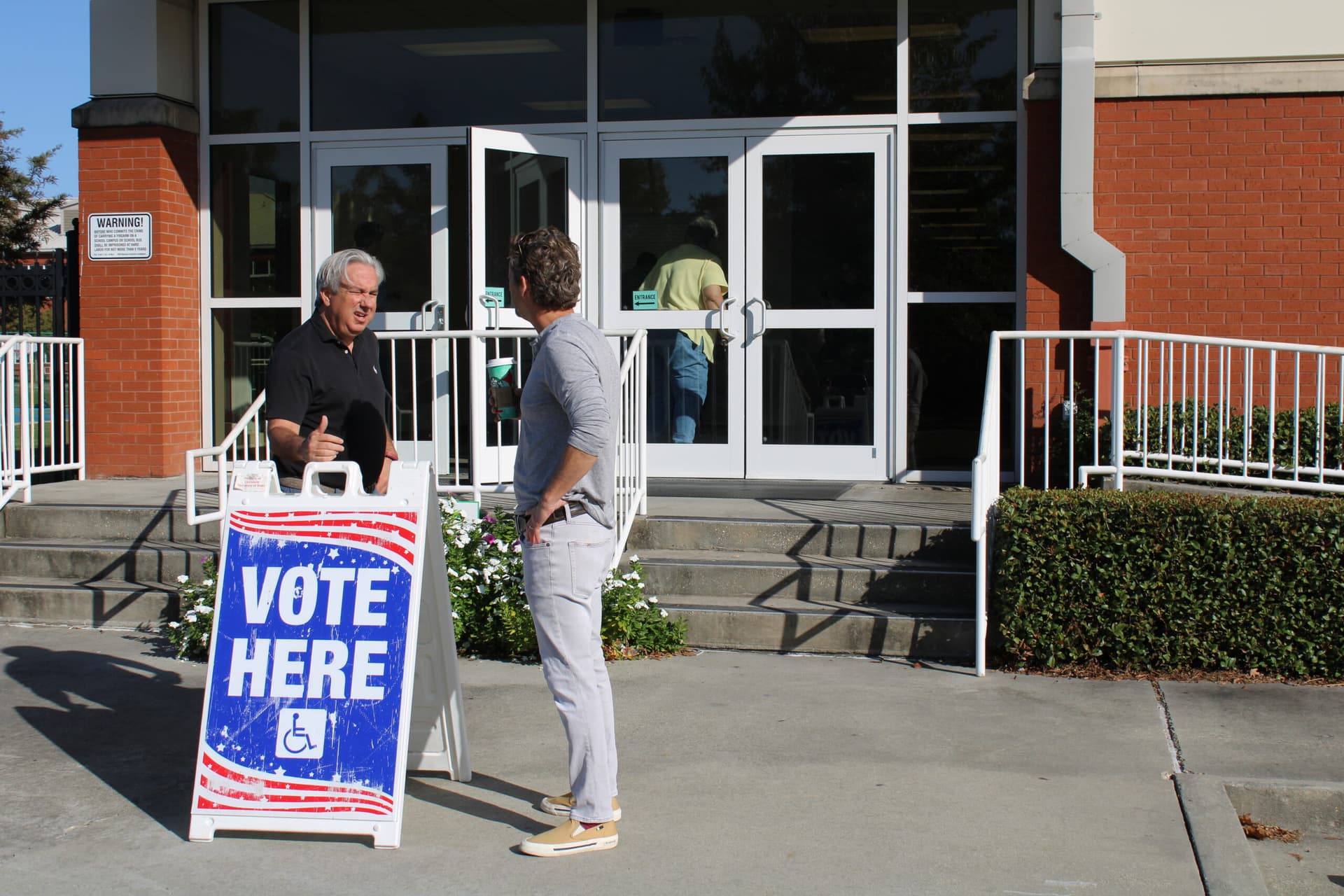
Louisiana voters are about to test whether primaries belong to parties or to the broader electorate. After nearly five decades of open, all-comers contests, the state is moving to closed-party primaries for major offices, a change that puts control of nominations back in the hands of partisan voters.
The shift came through Act 1 of the 2024 First Extraordinary Session of the Louisiana Legislature and is set to begin in 2026 for U.S. Senate, U.S. House, Louisiana Supreme Court, Public Service Commission and Board of Elementary and Secondary Education races. The Louisiana Secretary of State says Democrats and Republicans will vote in their own party’s primary, while voters with no party registration may choose either ballot but must stay with that party through any runoff. That marks a sharp break from the jungle primary Louisiana first used for state and local elections in 1975 and expanded to federal races in 1978, a system the Public Affairs Research Council of Louisiana says Edwin Edwards helped design to avoid separate partisan primary fights.
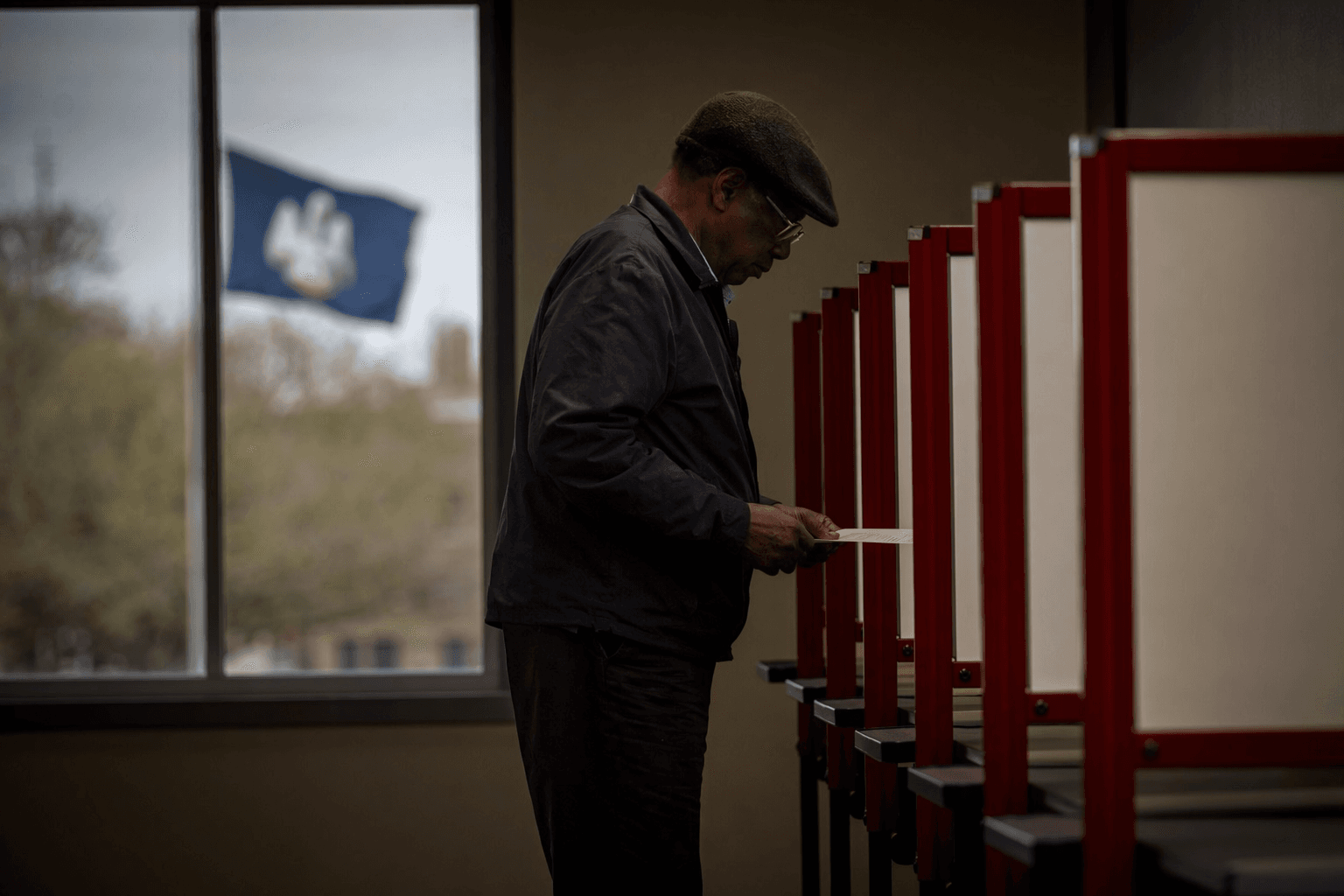
The 2026 cycle has already exposed how unsettled the change remains. On April 30, Gov. Jeff Landry suspended only the U.S. House closed-party primaries after a Supreme Court ruling, while leaving other May 16 elections in place. Early voting was scheduled to begin May 2, turning the coming contests into an immediate test of how many unaffiliated voters will show up and how smoothly the new rules will work in practice.
Reformers argue that open and nonpartisan primaries widen participation and produce electorates that look more like the public at large. Bipartisan Policy Center research says those systems tend to include more unaffiliated voters and narrower turnout gaps among Latino and Asian voters than closed primaries. The center also found that the share of primary elections closed to unaffiliated voters fell from 36 percent in 2000 to 31 percent in 2024. Recent work in PLOS One adds that congressional general elections are often uncompetitive, while primary voters tend to be older and wealthier than the broader electorate.
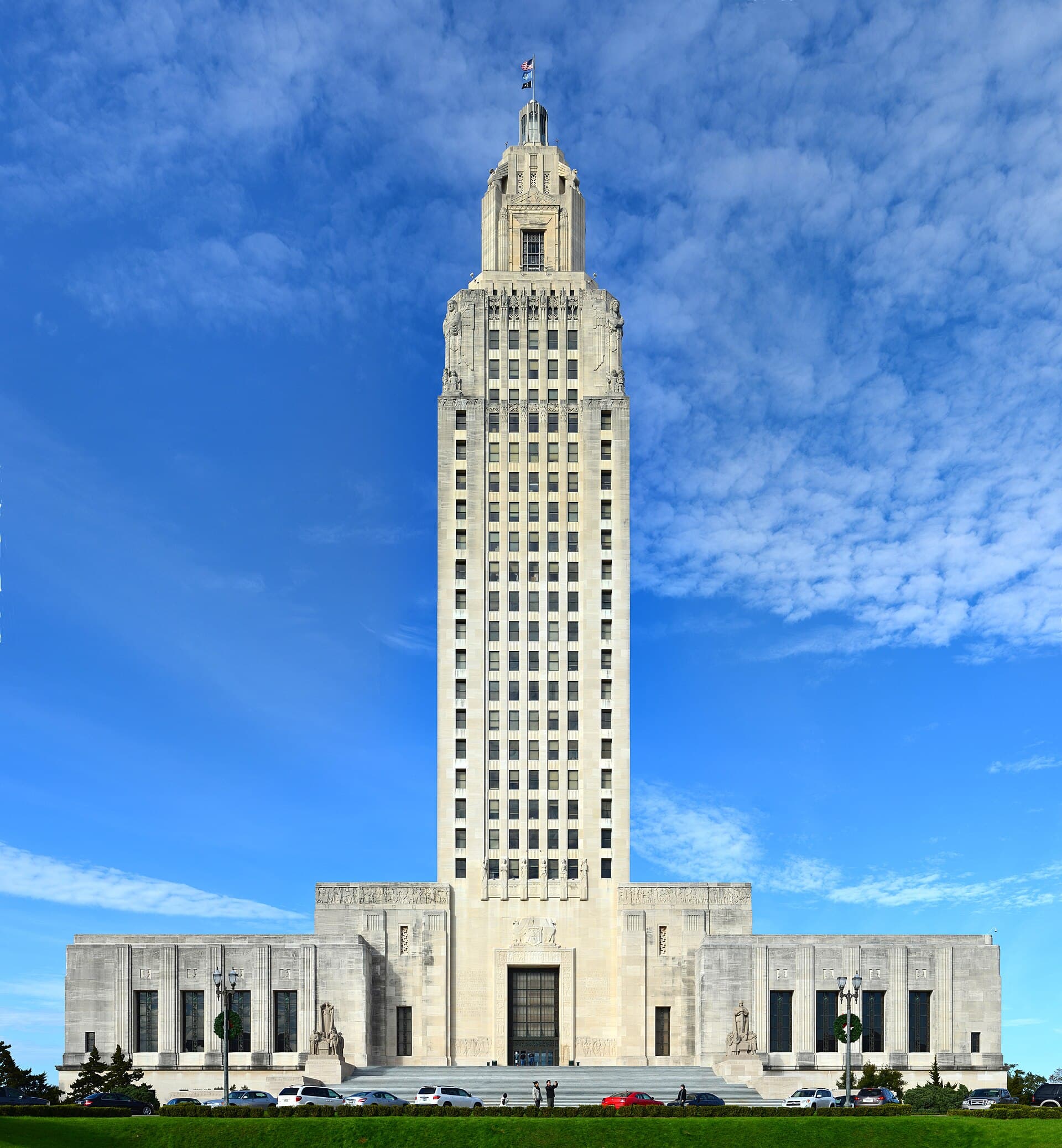
Opponents make the opposite case: that parties have a right to pick their own nominees and that closed primaries reduce crossover voting. Good-government and pro-voter groups, including the League of Women Voters of Louisiana, have warned that the change could confuse No Party voters and raise administrative costs. Louisiana’s new rules are now more than a procedural change; they are a live test of whether primaries are meant to widen choice or preserve party control.
This article was produced by Prism’s automated news system from verified source data, official records, and press releases, then run through automated quality and moderation checks before publishing. The system is built and supervised by the people who set the standards it runs under. Read our full AI policy.
Did this article answer your question?

