Louisiana warns of rising flesh-eating bacteria infections after five deaths
Louisiana logged five Vibrio vulnificus deaths and nine hospitalizations in 2026, while officials warned open wounds in warm seawater raised the risk.
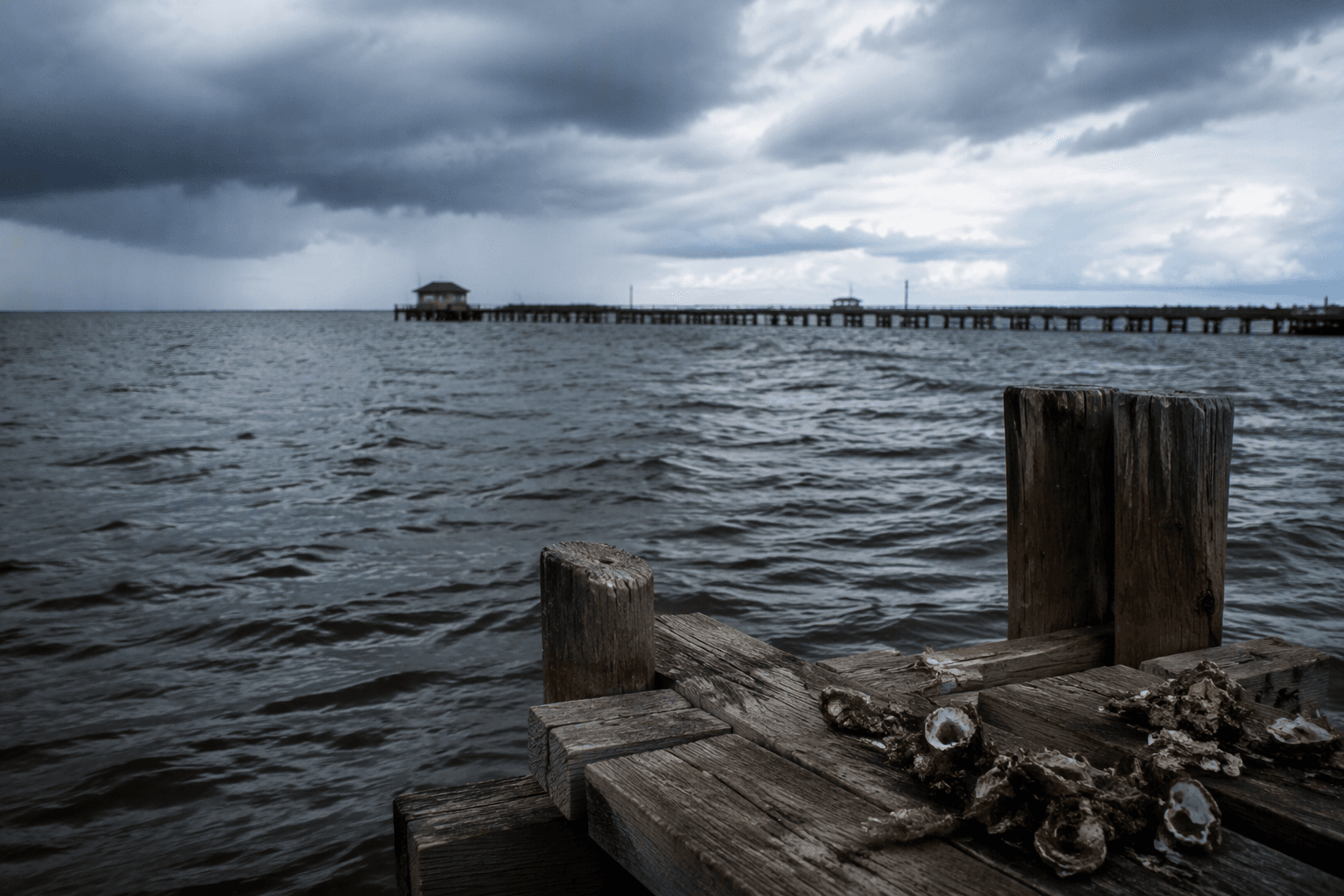
Louisiana health officials said five people had died from Vibrio vulnificus infections and nine cases had been reported in the state, with every patient hospitalized. The warning sharpened concern along the Gulf Coast, where beachgoers were being urged to avoid exposing open wounds to warm coastal water.
The Louisiana Department of Health has described Vibrio vulnificus as a bacterium associated with warm coastal waters that can infect people when contaminated seawater enters an open wound. ABC News said all nine Louisiana cases in 2026 were linked to wounds exposed to seawater, underscoring why state officials focused on cuts, scrapes, and other breaks in the skin rather than casual contact with the water itself.
The death toll had already climbed a year earlier. In September 2025, the Louisiana Department of Health said it was confirming a fifth resident death and reported 26 cases statewide, all of them hospitalized. That earlier count showed the infection had been a persistent problem in the state before the 2026 spike drew wider attention.
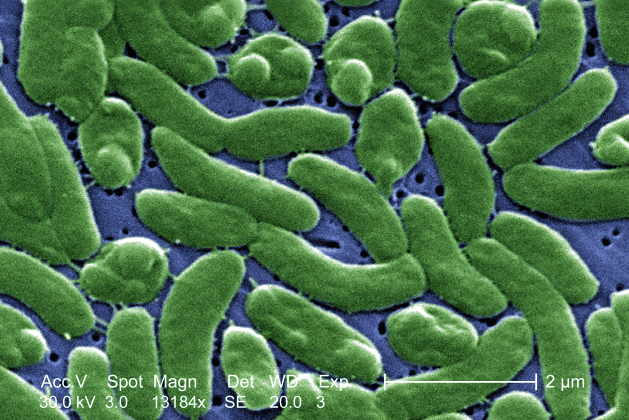
The regional picture extended beyond Louisiana. The Associated Press warned Gulf Coast beachgoers during a surge of deadly bacterial infections, and CBS News said the bacteria had killed at least seven people along the Gulf Coast. In Louisiana, WAFB reported on Aug. 7, 2026, that the state had also recorded eight heat deaths and five Vibrio fatalities so far that year, placing the bacterial cases in a summer marked by extreme public-health stress.
Louisiana’s guidance in 2025 and 2026 repeatedly pushed the same precautions: keep open wounds out of warm seawater and take care when handling raw seafood. The state framed the risk as a wound-infection and seafood-safety issue, not as something that spread from person to person, and that distinction mattered for swimmers, beachgoers, and people working around oysters and other shellfish along the coast.
This article was produced by Prism’s automated news system from verified source data, official records, and press releases, then run through automated quality and moderation checks before publishing. The system is built and supervised by the people who set the standards it runs under. Read our full AI policy.
Did this article answer your question?