WHO says Congo Ebola outbreak began months before declaration
WHO said Congo's Ebola outbreak was spreading for months before officials declared it, forcing contact tracers to chase a much larger hidden chain.
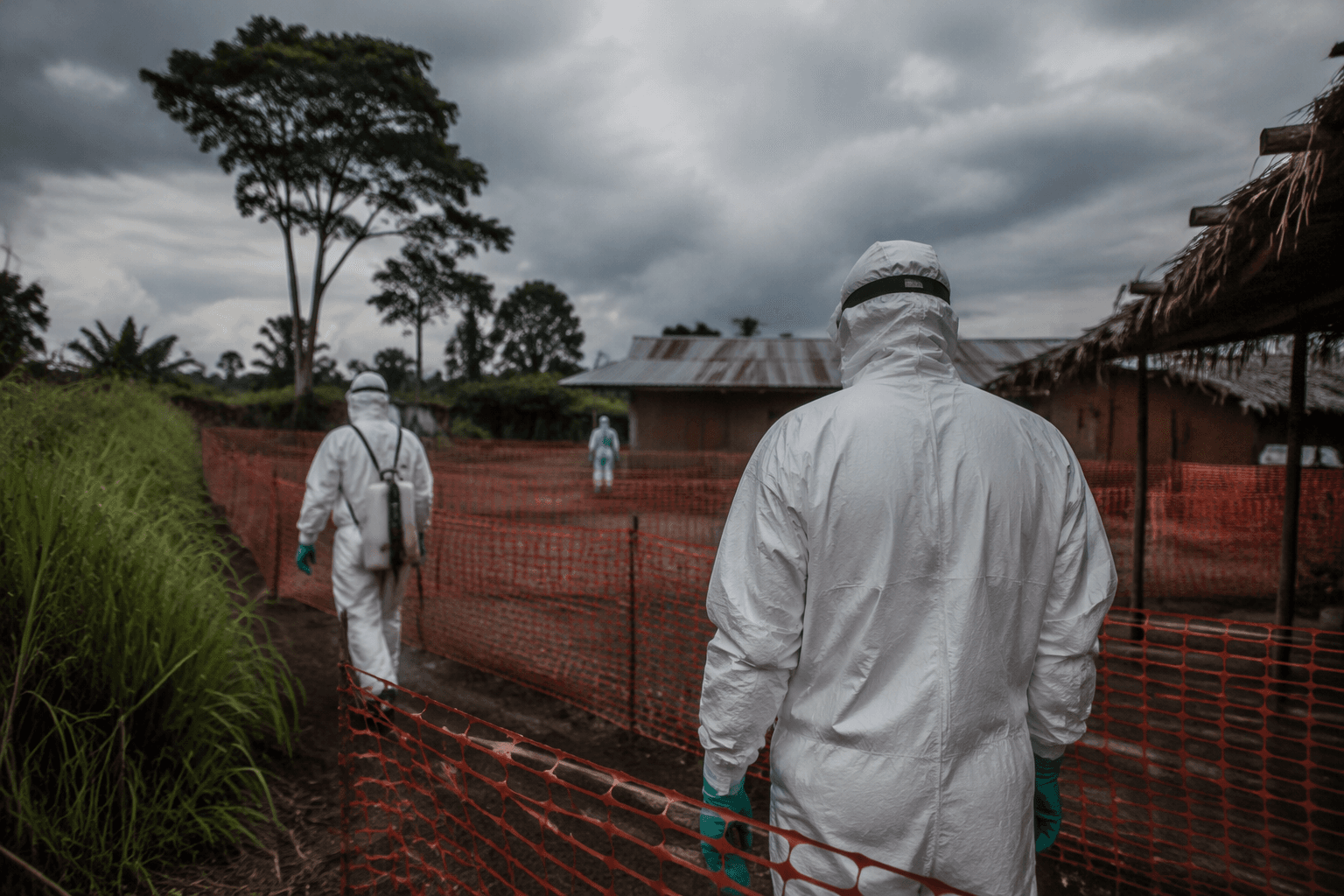
The World Health Organization said Congo’s fastest-growing Ebola outbreak began in February, months before authorities declared it in mid-May. That gap raised the stakes for contact tracing and surveillance in a country where public health teams often work in difficult terrain with limited infrastructure.
Ebola is a severe, often fatal illness that affects humans and other primates, and delayed detection can quickly turn a contained event into a wider transmission chain. When an outbreak circulates quietly for months, responders lose precious time to isolate cases, warn exposed families and interrupt spread through homes, clinics and funeral networks.
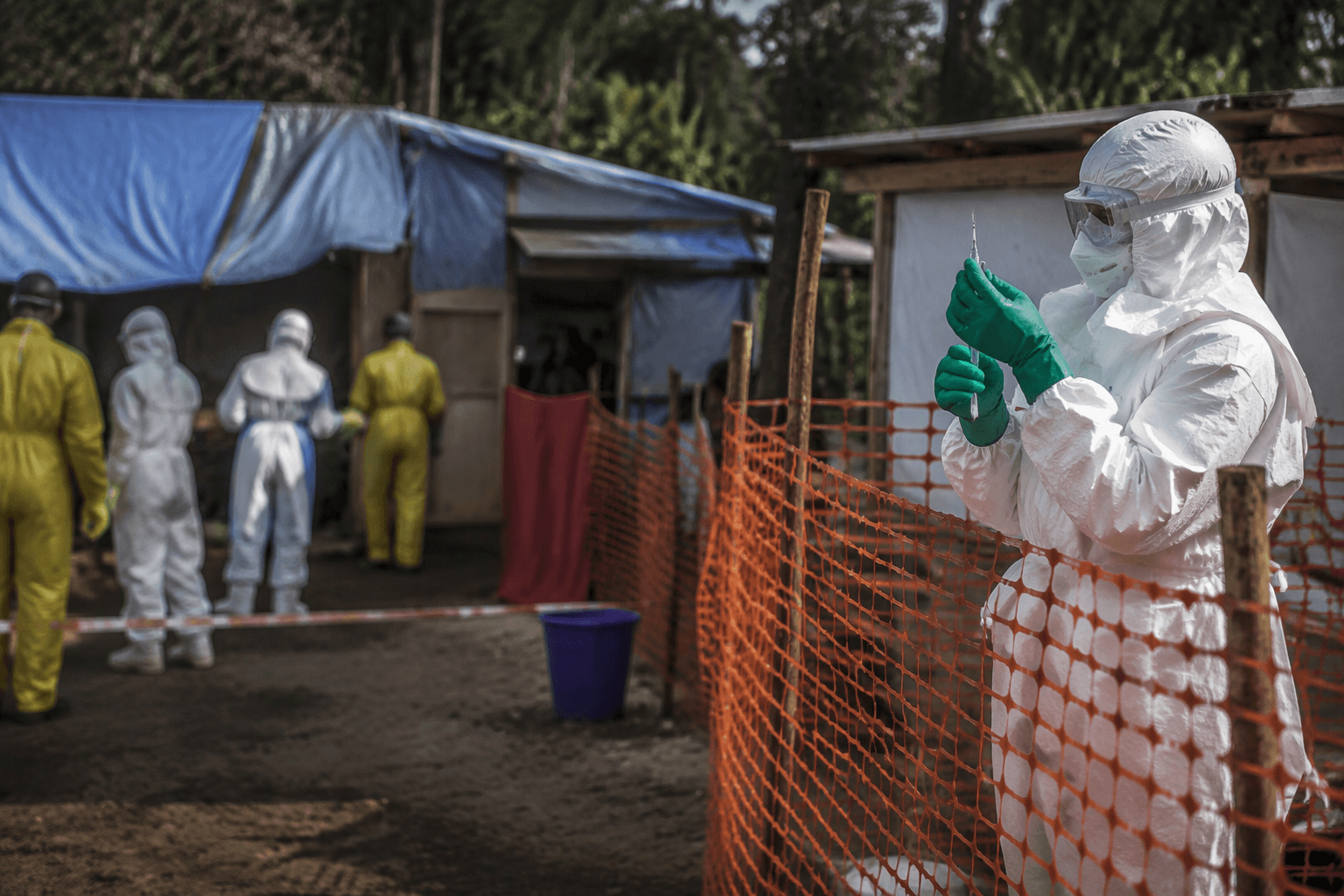
Congo has faced that problem before. On 4 September 2025, the Democratic Republic of the Congo declared an Ebola virus disease outbreak in Kasai Province after a cluster of cases and deaths was reported, and samples tested a day earlier at the National Institute of Biomedical Research in Kinshasa confirmed Ebola Zaire. WHO described that event as the country’s 16th Ebola outbreak.
A separate WHO update in 2026 showed how quickly a suspected outbreak can evolve. On 5 May 2026, WHO was alerted to a high-mortality outbreak of an unknown illness in Mongbwalu Health Zone, in Ituri Province, including deaths among health workers. Laboratory analysis later confirmed Bundibugyo virus disease in eight samples on 15 May.
The February-to-May delay in the latest outbreak meant responders in eastern Congo were already behind by the time the disease was publicly identified. That matters in a region where travel corridors, rivers and movement across health district boundaries can carry infection beyond the first cluster before a response is fully in place.
The timing also affects trust. Residents who later learn that Ebola had been circulating for months may question whether warning signs were missed locally or whether the confirmation process was too slow to keep pace with the virus. In Ebola outbreaks, the difference between early detection and late declaration can determine how much of the transmission chain remains visible to public health teams.
This article was produced by Prism’s automated news system from verified source data, official records, and press releases, then run through automated quality and moderation checks before publishing. The system is built and supervised by the people who set the standards it runs under. Read our full AI policy.
Did this article answer your question?