Low-cost gyms evolve into scalable, branded fitness platforms
Barcelona’s gym battle is shifting from cheap dues to sharper operations, with HVLP chains using scale, tech and service design to outgrow the old discount model.
Barcelona’s low-cost gym fight is no longer just a race to the cheapest monthly fee. The real contest is operational sophistication, and the strongest HVLP chains are proving that scale, brand discipline and a carefully designed member journey matter as much as price.
HVLP has matured into a platform, not a discount tactic
The high-volume, low-price model has evolved well beyond the old idea of a stripped-down gym with budget dues. At The HFA Show in San Diego, where more than 10,000 registered professionals gathered alongside 380 exhibitors and 150 speakers, the conversation centered on why HVLP keeps expanding and why it now looks like one of the most scalable formats in fitness. The March 17 Rick Caro Financial Panel put that shift in focus, with EōS Fitness and Crunch Fitness singled out as the clearest proof that the category can command serious value.
That matters because both brands were described as having reached a $1.5 billion valuation, yet they are built on very different operating structures. EōS was acquired by TSG Consumer on May 12, 2025, and has been positioned around $9.99 dues and a company-owned model. Crunch, by contrast, has scaled as an asset-light franchise system and still reached the same valuation mark, which tells you the market is rewarding the category itself, not just one formula inside it.
What the strongest clubs now sell
The most important change in HVLP is that cheap access is no longer the entire product. The leading chains are using technology, club layout, staffing and add-on services to make the business more durable and more brandable. That includes more intentional entry flows, smarter floor plans, better space density and a clearer path from basic membership to higher-value services.
Crunch is a good example of how that plays out in practice. Jim Rowley has said the chain now has more than 550 clubs worldwide, with around 150 locations offering recovery suites or related amenities. Its base membership remains $9.99, but premium tiers average around $29 a month, and the company says new 3.0 gyms are selling significantly more premium memberships, with the mix rising by an estimated 25% or more. Those 3.0 gyms typically require investments of roughly $80 to $150 per square foot, which shows how far the model has moved from bare-bones discounting.
That is the real lesson for operators watching from Barcelona: the winning HVLP club is not just the cheapest box on the block. It is the one that can turn a low entry price into a more layered experience, with enough operational control to push upgrades, repeat visits and stronger retention.
Why Barcelona is such a revealing market
Barcelona sits inside one of Europe’s most competitive fitness landscapes, and Spain’s broader market makes the pressure even clearer. BDO reported on November 21, 2025 that 81.1% of Spain’s sports industry had recovered pre-pandemic profitability, but it also said competition was the top business challenge for operators at 24.6%. At the same time, 40.5% of Spanish operators did not expect to open any new gym by the end of 2025, a sign that the next phase is less about blanket expansion and more about sharper positioning.
OBS Business School estimates that Spain has 4,561 gyms and 5.4 million users, which helps explain why low-cost concepts are so visible in cities like Barcelona, Madrid and Valencia. In a market that dense, price still matters, but it no longer wins on its own. Operators are being pushed toward renovation, digitalization and service personalization, not just footprint growth.
Barcelona reflects that shift in a very concentrated way. VivaGym says it has more than 30 clubs in the city and has leaned into a neighborhood-club model with no permanence, while Basic-Fit has been pursuing a cluster strategy. One market report said Basic-Fit intended to grow its Barcelona network from 2 clubs to 9 after the RSG Spain deal, and a December 2024 report on its Vallcarca opening said the new site at Avenida Vallcarca 235 would help make Basic-Fit the city’s second-largest network behind VivaGym at that point.
The competitive map is changing in plain sight
Barcelona is not just a battleground for local incumbents. It is also a proving ground for foreign brands testing how much room there is left in Spain for expansion. Planet Fitness opened its first Spanish club in Sabadell, in Barcelona province, on July 22, 2024, and said only 10% of the Spanish population had a gym membership when it entered the market. That is a striking number, because it shows how much runway still exists even in a crowded urban corridor.
The practical takeaway is that Barcelona’s market is being shaped from both ends. On one side are the big low-cost chains using clusters, scale and standardized operations to deepen their reach. On the other are new entrants trying to prove that there is still white space if the offer is clear enough and the operating model is disciplined enough.
What independents need to do next
For independents, the HVLP playbook is a warning and an opportunity. Competing head-on on price alone is getting harder, because the leading chains now pair price with density, convenience and a more sophisticated operating machine. The cheapest membership is only compelling if the club can deliver smooth access, efficient service and enough differentiation to keep members from drifting away.
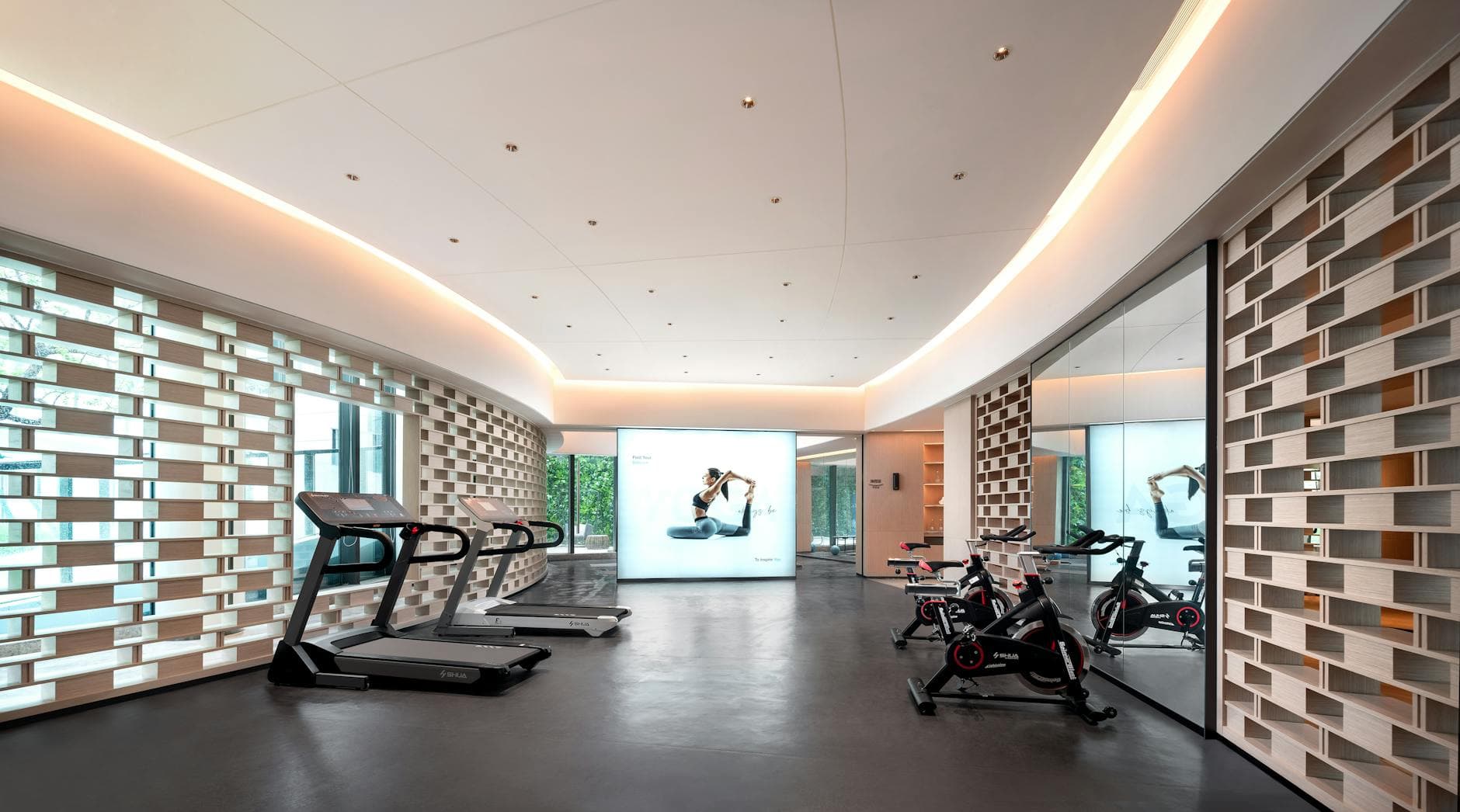
That leaves independents with sharper choices:
- Build around community and coaching, where larger chains often feel more anonymous.
- Focus on women-only spaces, functional training or recovery services that create a more specific reason to belong.
- Use neighborhood proximity as a genuine advantage, not just a location detail.
- Treat staffing as part of the product, because the member journey now includes service quality as much as equipment.
- Invest in club design and digital tools that make a smaller footprint feel more personal, more useful and easier to return to.
The larger message from the HVLP debate is clear. Low-cost gyms are no longer a budget compromise defined by cheaper dues and plain interiors. They are becoming branded fitness platforms, built to scale, refined through operations and increasingly judged on how intelligently they turn volume into loyalty. For Barcelona, that means the next round of competition will be won by operators that can combine price, polish and precision, not by the ones that simply cut the deepest.
Sources:
Know something we missed? Have a correction or additional information?
Submit a Tip