Lucid cuts 18% of U.S. staff as EV market pressure grows
Lucid is cutting about 18% of its U.S. staff, ending a second shift at AMP-1 and adding $32 million in charges as EV demand and pricing tighten.
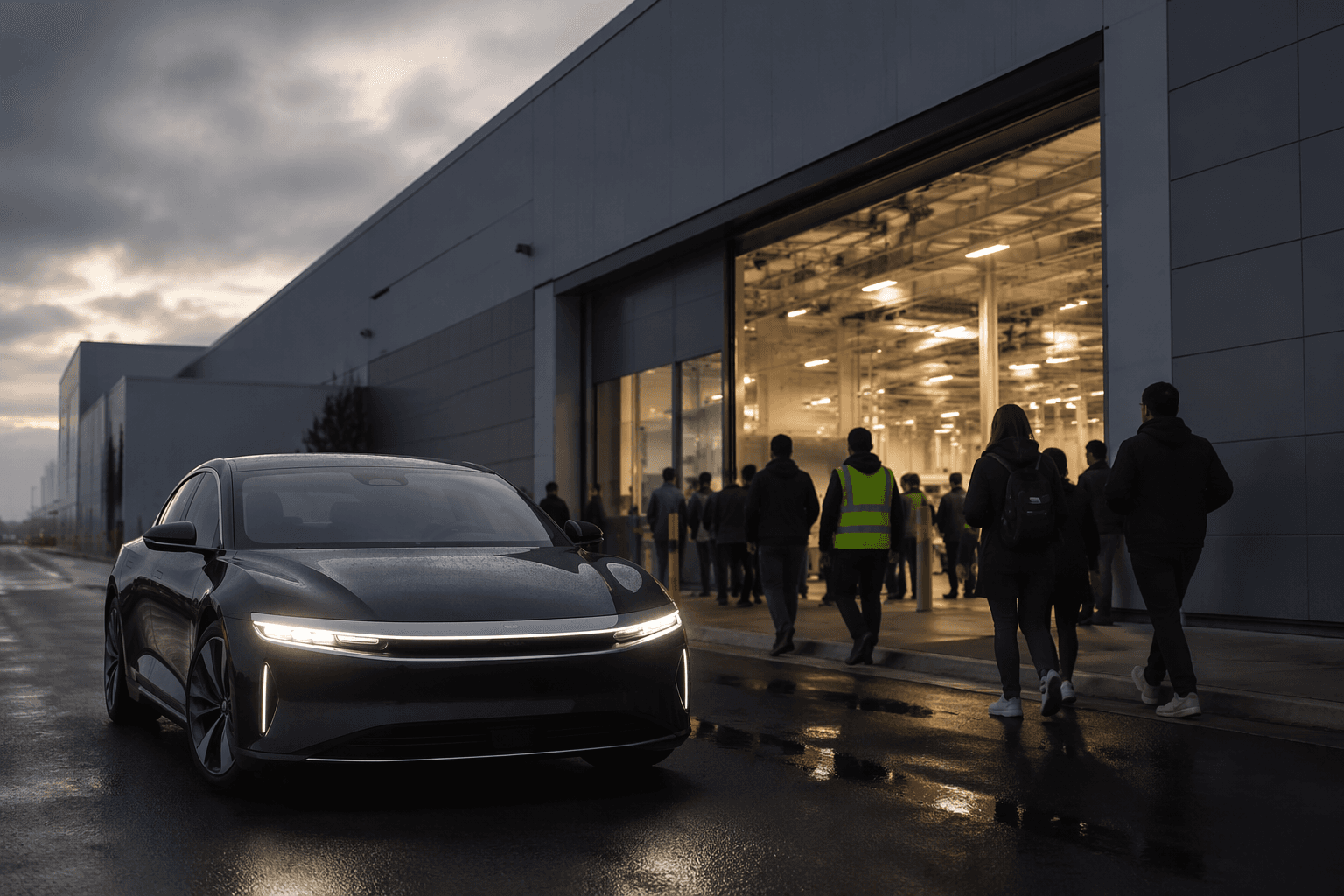
Lucid Group is slashing about 18% of its U.S. workforce and eliminating the second shift at its AMP-1 factory, a sharp sign of how hard the premium EV market has become. The move comes as Chief Operating Officer Marc Winterhoff leaves the company, marking a second major executive change in recent months, and as Lucid tries to reset costs around a slower, more demanding sales environment.
The company said the restructuring will affect full-time employees, contractors and hourly manufacturing workers. It expects about $32 million in severance and related charges, while targeting roughly $158 million in annualized cost savings. Lucid had about 9,000 employees globally as of Dec. 31, underscoring how deep the cut is for a company still trying to scale.
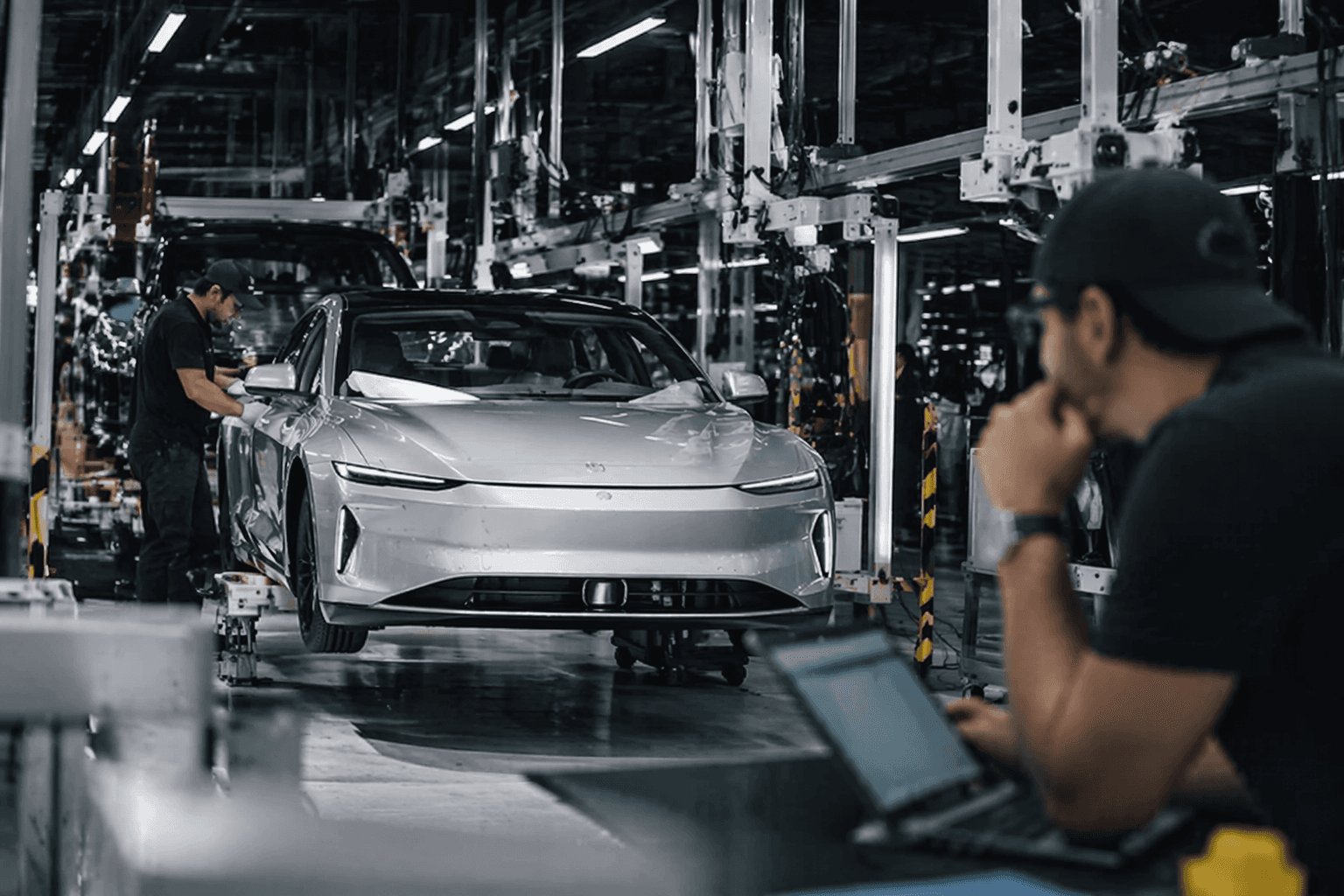
The latest layoffs extend a cost campaign that began in February, when Lucid cut 12% of its workforce as it pushed to improve operational effectiveness and move closer to profitability. That earlier round did not affect hourly production employees at the Arizona manufacturing site. Since then, the company has also suspended its 2026 production outlook pending a business review, a reminder that the issue is not only overhead but also factory utilization and demand planning.
Operational problems have compounded the pressure. In the first quarter of 2026, Lucid produced 5,500 vehicles and delivered 3,093. The company said a seat supplier issue significantly affected Gravity deliveries in February before being resolved later in the quarter. For a young automaker trying to prove it can deliver consistently, that kind of disruption is costly in both revenue and credibility.
Lucid’s 2025 and 2026 targets show how much ground it still has to cover. The company delivered 15,841 vehicles in 2025 and set 2026 production guidance at 25,000 to 27,000 vehicles. Those numbers imply a steep ramp, even as buyers increasingly favor lower-priced EVs and competition from legacy automakers and newer entrants remains intense.
Leadership has been shifting as well. Silvio Napoli was announced as Lucid’s next chief executive on April 14 and assumed the role on June 1. Winterhoff had been expected to move into the chief operating officer role in that transition before now exiting the company. Lucid also expanded its partnership with Uber in April, when Uber increased its purchase commitment to at least 35,000 Lucid vehicles for a future global robotaxi service, offering a possible long-term demand source even as the company trims hard in the present.
For Lucid, the question is no longer whether it can build attention-grabbing EVs. It is whether the company can turn that interest into steady output, cleaner margins and enough cash discipline to survive a market that is rewarding scale, pricing power and execution.
This article was produced by Prism’s automated news system from verified source data, official records, and press releases, then run through automated quality and moderation checks before publishing. The system is built and supervised by the people who set the standards it runs under. Read our full AI policy.
Did this article answer your question?

%3Amax_bytes(150000)%3Astrip_icc()%2FCertificate-of-deposit-2301f2164ceb4e91b100cb92aa6f868a.jpg&w=1920&q=75)
