Lufthansa beats first-quarter expectations, sticks with 2026 outlook despite fuel pressure
Lufthansa cut its first-quarter loss and lifted revenue to a record 8.7 billion euros, but fuel and geopolitical risks still cloud the rest of 2026.

Lufthansa started 2026 with a smaller loss, record quarterly revenue and stronger cash generation, but its latest numbers also showed how much of the airline’s footing still depends on fuel hedging, high fares and an unusually supportive demand backdrop.
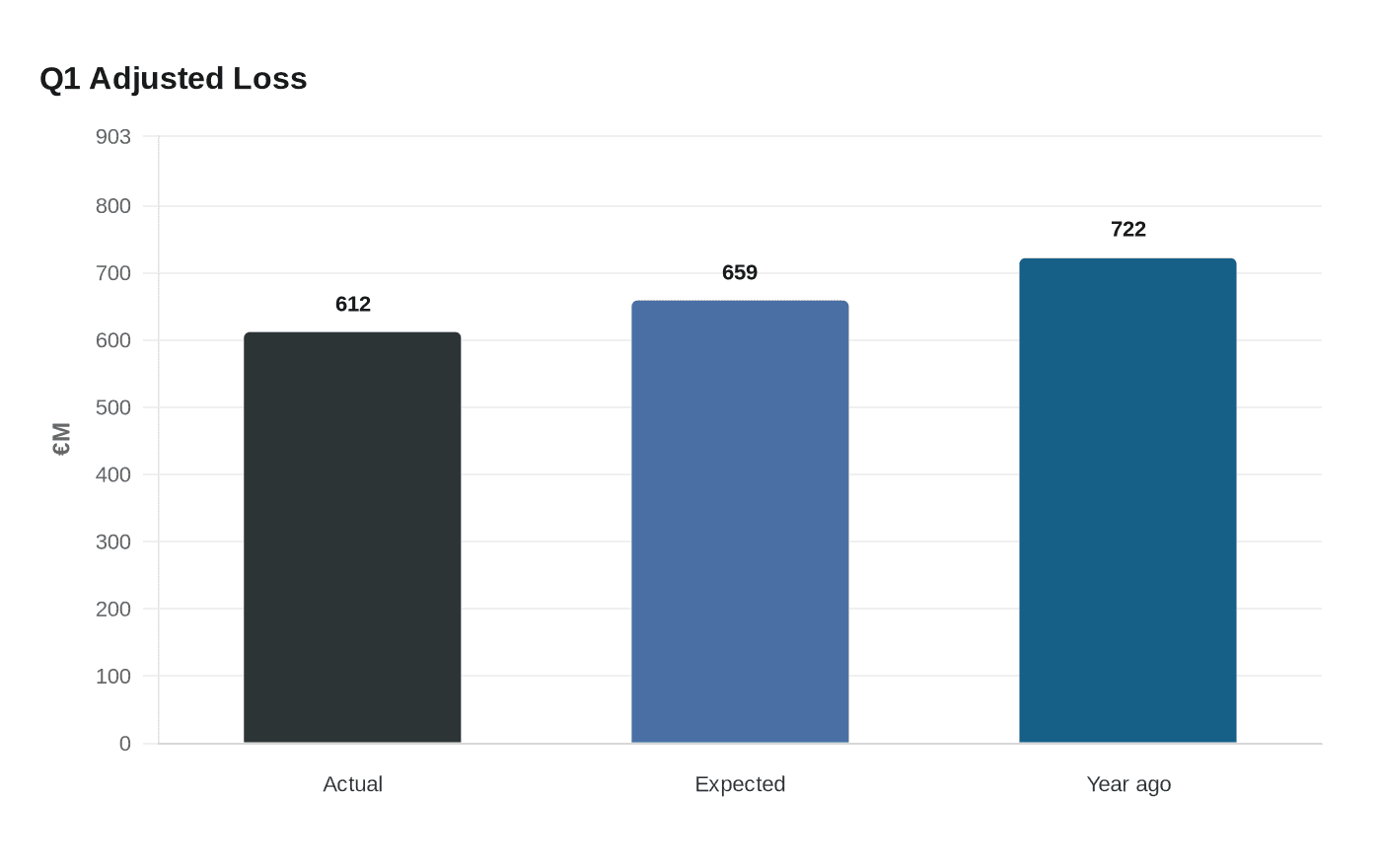
Deutsche Lufthansa AG said first-quarter adjusted operating loss narrowed to 612 million euros, beating expectations of 659 million euros and improving from a 722 million euro loss a year earlier. Revenue rose 8% to 8.7 billion euros, a first-quarter record, while net income improved to minus 665 million euros from minus 885 million euros. Adjusted free cash flow climbed 65% to 1.4 billion euros from 835 million euros, underscoring that the carrier was still generating substantial cash even as it remained in the red on an operating basis.
Management said the Middle East crisis pushed up kerosene prices but also lifted demand across passenger airlines and cargo as travelers rerouted through Lufthansa’s hubs. The company said strategic hedging, cost discipline and network flexibility helped blunt much of the fuel pressure, while labor disruptions were kept largely under control. Lufthansa delivered seven new aircraft in the quarter, including five long-haul jets, and said it employed 110,000 people.
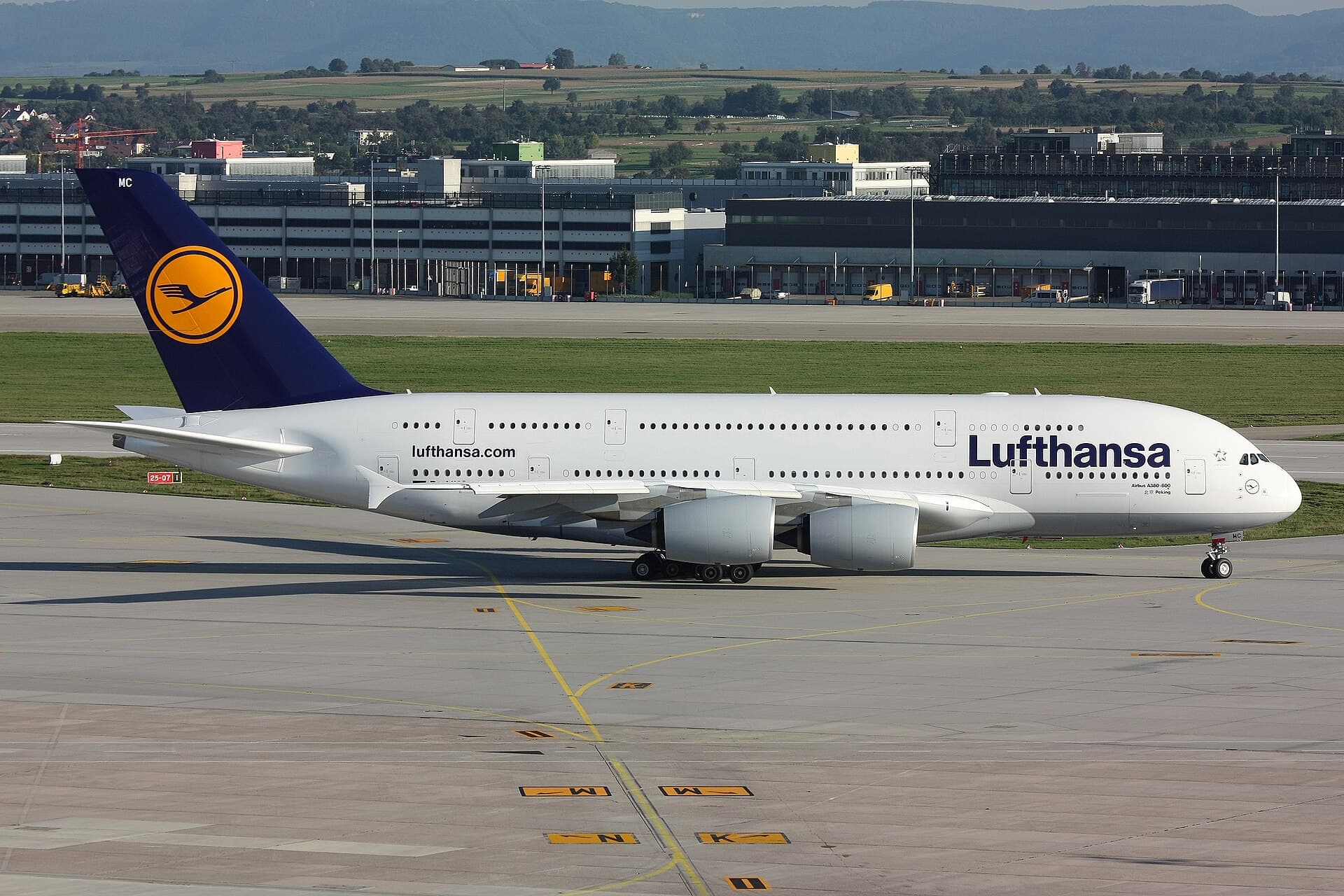
The results matter beyond Frankfurt because they offer a read-through for the wider European airline market. Lufthansa is showing that strong long-haul demand can still offset higher operating costs, at least for now, and that some conflict-driven rerouting can actually support traffic through major hub networks. But the same conditions also raise the risk that higher fuel costs and wage pressure will work their way into ticket prices later in the year.
Lufthansa kept its 2026 outlook unchanged, saying it still expects a significantly higher adjusted operating profit than the 1.96 billion euros it earned in 2025. That confidence comes with a caveat: the company said forecast uncertainty has increased because of the Middle East situation. In March, Lufthansa said 2025 revenue reached 39.6 billion euros and adjusted EBIT was 2 billion euros, while Carsten Spohr warned that the war in the Middle East shows how exposed air traffic remains to geopolitical shocks and how concentrated global traffic flows through Gulf hubs have become.
Analyst Alex Irving of Bernstein said much of Lufthansa’s strength comes from “blockbuster” yields, but warned that visibility into third-quarter and fourth-quarter yields remains incomplete. That leaves Lufthansa balancing resilience against warning signs: the quarter showed demand strength and strong cash flow, but the industry’s fuel and labor bills have not gone away.
This article was produced by Prism’s automated news system from verified source data, official records, and press releases, then run through automated quality and moderation checks before publishing. The system is built and supervised by the people who set the standards it runs under. Read our full AI policy.
Did this article answer your question?