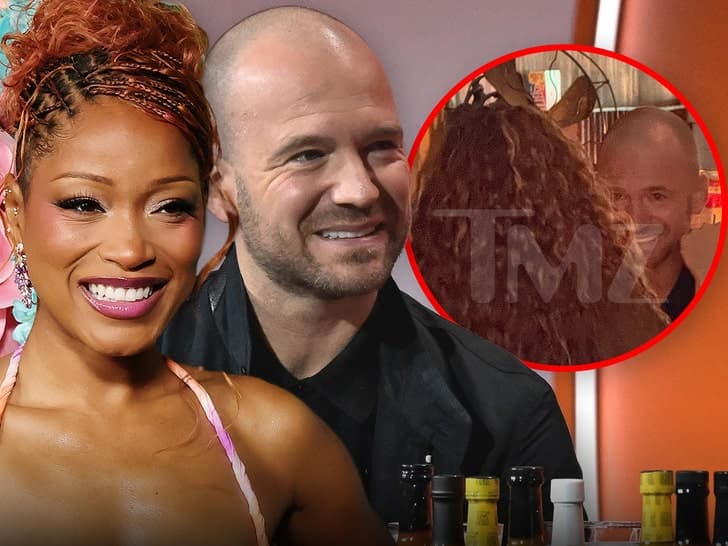
Luis Fonsi recuerda a Cristiano Ronaldo cantando Despacito, revive su furor viral
Luis Fonsi revisited the Cristiano Ronaldo clip that kept Despacito alive, as World Cup-era reposts pushed the song back across TikTok and Instagram.
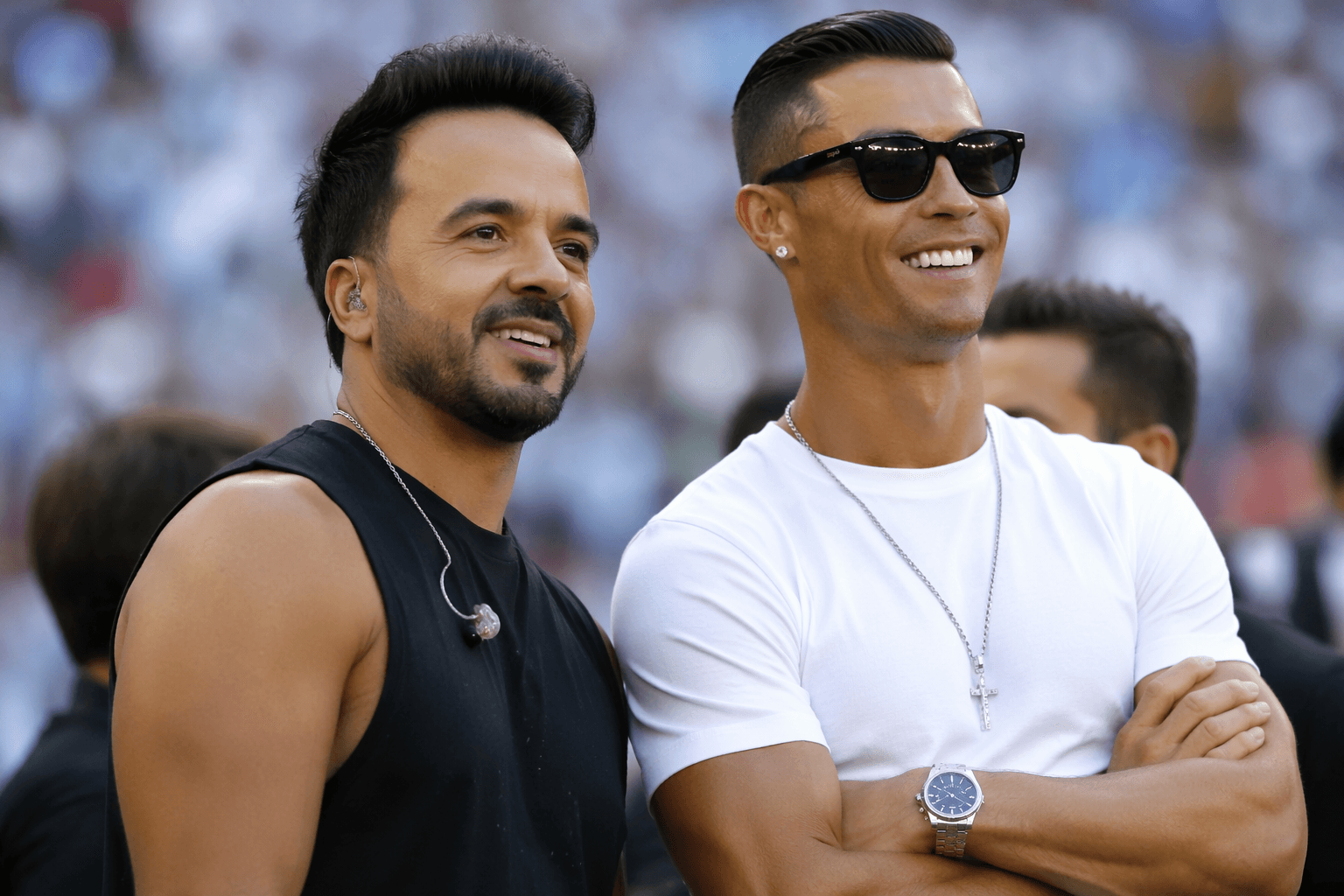
Cristiano Ronaldo singing “Despacito” became more than a viral footnote for Luis Fonsi. The Puerto Rican singer used Telemundo Deportes’ “Vive el Mundial” coverage to revisit the moment and underline how a brief athlete cameo can send a song back into circulation years after its debut.
The clip gained fresh life during the Copa Mundial de la FIFA 2026, when edits and montages again linked Ronaldo to Fonsi’s breakout hit across TikTok and Instagram. That repeat cycle has turned one offhand moment into a durable piece of sports-and-pop culture memory, with football attention functioning as a powerful engine for musical revival.
“Despacito,” which Fonsi co-wrote with Erika Ender, was released by Universal Music Latino at the start of 2017 and moved quickly from hit to global event. Three weeks after launch, it reached No. 1 on Billboard Hot Latin Songs and stayed there for 35 weeks, a run that signaled the song’s unusual staying power well beyond a standard crossover single.
The Justin Bieber remix accelerated that reach even further. It sent “Despacito” to No. 1 on the Billboard Hot 100 for 16 weeks, and by July 2017 the original version and the remix had amassed 4.6 billion streams combined. One month later, the original video became YouTube’s most viewed clip to that point, cementing the song as one of the defining digital hits of the decade.
The numbers helped transform Fonsi’s career beyond a single release. The song brought him seven Guinness records and positioned him as a central figure in the global expansion of Latin music, alongside the broader commercial force that followed in its wake.
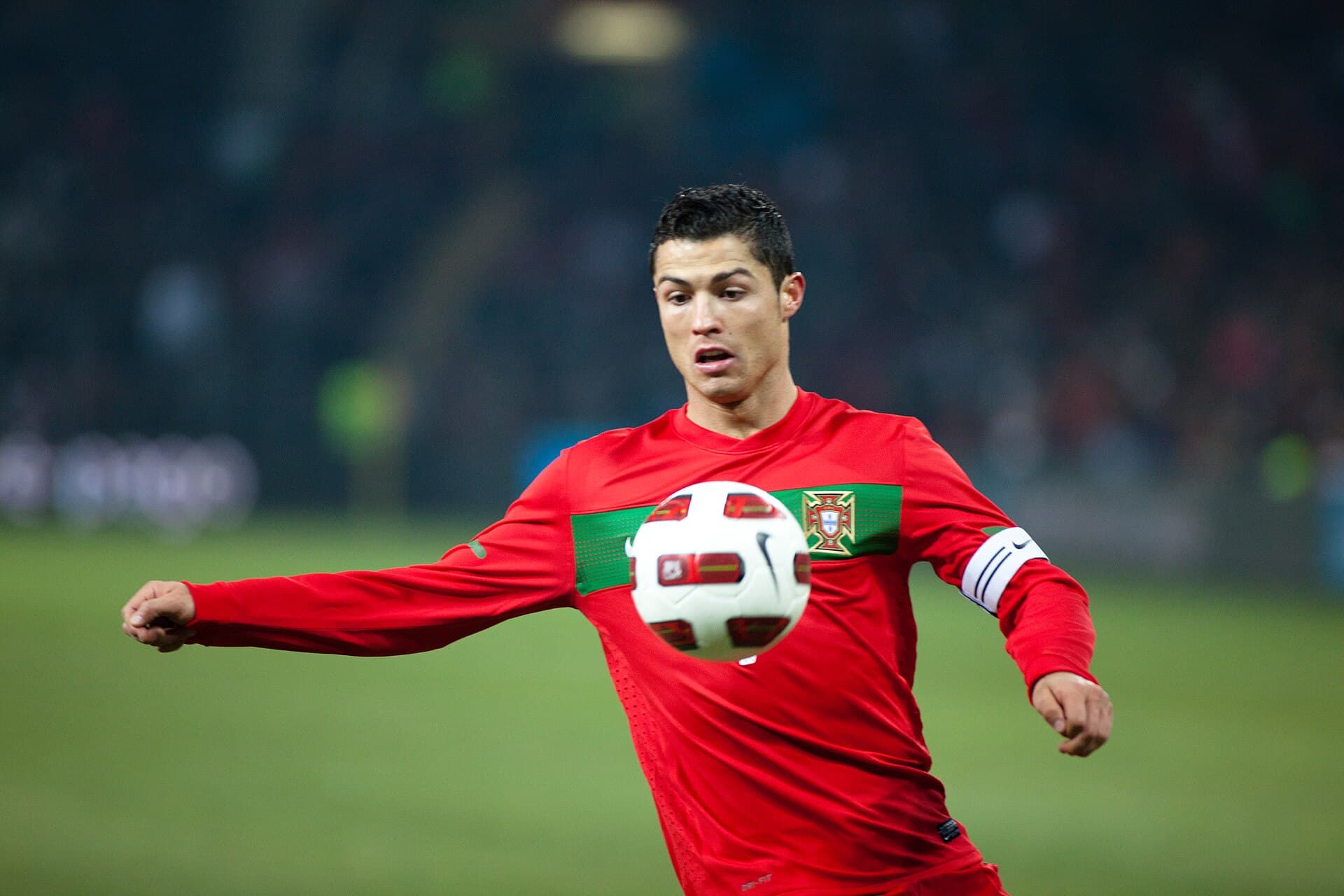
That legacy is what made the Ronaldo footage so potent again during the World Cup. A player’s spontaneous singalong, replayed through short-form video and meme culture, kept “Despacito” alive in a new cycle of attention and showed how elite athletes can still reshape the shelf life of a song across sport, social media, and tournament culture.
This article was produced by Prism’s automated news system from verified source data, official records, and press releases, then run through automated quality and moderation checks before publishing. The system is built and supervised by the people who set the standards it runs under. Read our full AI policy.
Know something we missed? Have a correction or additional information?
Submit a Tip